Drugs, nukes and animal operatives: Project MK-Ultra, the CIA’s infamous human mind control project, wasn’t the only thing that was going on in the ‘60s.
In that decade, writes Tom Vanderbilt for Smithsonian Magazine, “the U.S. government deployed nonhuman operatives–ravens, pigeons, even cats–to spy on Cold War adversaries. “ Unlike MK-Ultra, this project was never the subject of a Congressional hearing, but some documents as well as sources from inside the CIA confirm that Project Acoustic Kitty was real.
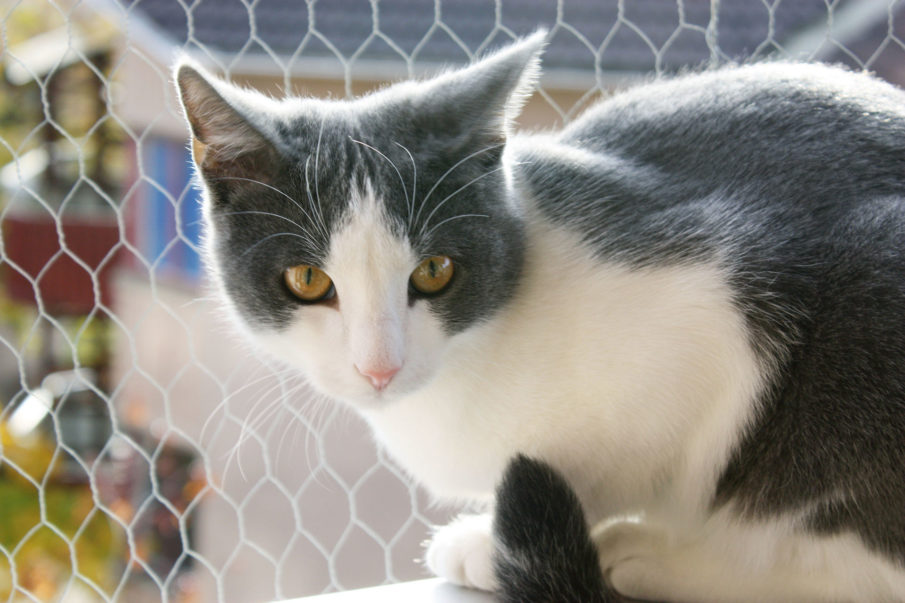
Cats are infamously disobedient, but the CIA believed that with the right training, they could become spies. The organization also wanted to exploit another of the animal’s traits: curiosity. It thought that a cat wired to record sound would be able to come and go unnoticed, and with the use of audio cues, could be controlled to go where it would record interesting sounds–like talks between Soviet leaders.
The cruel story of Acoustic Kitty in its most basic form crops up in a number of places. As told by Victor Marchetti, who was formerly an assistant to the CIA’s director, it basically involved creating a FrankenKitty.
Read the whole story from Smithsonian.com
Already have an account? Sign In
Two ways to continue to read this article.
Subscribe
$1.99
every 4 weeks
- Unlimited access to all articles
- Support independent journalism
- Ad-free reading experience
Subscribe Now
Recurring Monthly. Cancel Anytime.
Drugs, nukes and animal operatives: Project MK-Ultra, the CIA’s infamous human mind control project, wasn’t the only thing that was going on in the ‘60s.
In that decade, writes Tom Vanderbilt for Smithsonian Magazine, “the U.S. government deployed nonhuman operatives–ravens, pigeons, even cats–to spy on Cold War adversaries. “ Unlike MK-Ultra, this project was never the subject of a Congressional hearing, but some documents as well as sources from inside the CIA confirm that Project Acoustic Kitty was real.
Cats are infamously disobedient, but the CIA believed that with the right training, they could become spies. The organization also wanted to exploit another of the animal’s traits: curiosity. It thought that a cat wired to record sound would be able to come and go unnoticed, and with the use of audio cues, could be controlled to go where it would record interesting sounds–like talks between Soviet leaders.
The cruel story of Acoustic Kitty in its most basic form crops up in a number of places. As told by Victor Marchetti, who was formerly an assistant to the CIA’s director, it basically involved creating a FrankenKitty.
Read the whole story from Smithsonian.com










COMMENTS