

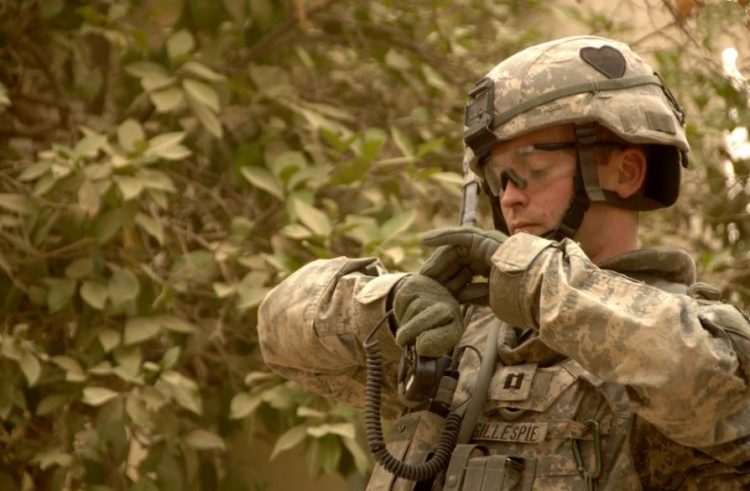
When I returned home from Iraq, I was deeply entrenched in the war. When in Iraq, from time to time, I would look at my watch and think about what time it was in America and what was going on at home. When I returned to America, I found myself looking at my watch and wondering what was happening in Iraq. I was still very much connected to the war.
My next assignment on the Joint Staff did little to satisfy my need to make a contribution. I was assigned as the division chief for the Joint Exercise Division. It was a good job. The training was relevant to the war. I sat on a policy coordinating committee in the Eisenhower Building. I was involved. Yet, it was not enough.
I was very frustrated with how the war was going. The transition of troops in Iraq had led to an Al Qaeda surge in the villages. Week by week, I would hear of our Iraqi allies being killed. Some had been stopped on the side of the road, tried by Sharia Law, and executed.
I was also frustrated with the Bush administration’s prosecution of the war. Worst of all, I came to accept that the leadership at the highest levels did believe that democracy would break out in Iraq. There were no conspiracies – only mediocrity. People, when described by their politics, are weak. Governments reflect only the politics.
Although I did not forget the war or its lessons, in time, I did get over my anger. I came to realize that whatever I thought of our leaders’ decisions, they were trying to do what they thought was right. The human ego drives bad decisions. It also drives judgment. I only wished to free myself of this unnecessary burden.
For sure, the issue of the morality of war is bigger than politics. Interestingly, this subject has received very little media attention. I can only hope that we will take up this issue and seriously address what conditions should be met before we begin to give and take blood.
What is our prescription for waging peace? Is there a meaningful way to set the conditions for peace? What type of statecraft is needed, strategic communication and policy? Where is the moral high ground?
Before the next war is launched, what will be the litmus test for its moral justification? It seems to me that this is a discussion that we still need to have.








COMMENTS