

Dangerous pollutants in military’s open burns greater than thought, tests indicate
AI Overview
Summary is AI-generated, newsroom-reviewed.
A draft report from the EPA reveals that the Radford Army Ammunition Plant in Virginia has significantly higher emissions of lead, arsenic, and other pollutants than previously estimated, posing potential health risks to nearby residents and an elementary school. This contradicts earlier assessments that deemed the pollution levels safe.
Key points from this article:
- The EPA's draft report indicates that arsenic emissions from the Radford Army Ammunition Plant are 37 times higher than previously estimated by the plant's burn permit.
- How the underestimated pollution levels affect the nearby elementary school and residents, who are now at greater risk of exposure to harmful substances.
- Why this matters as it challenges the Army and regulators' claims of safety, highlighting the need for more accurate assessments of hazardous waste burning practices.
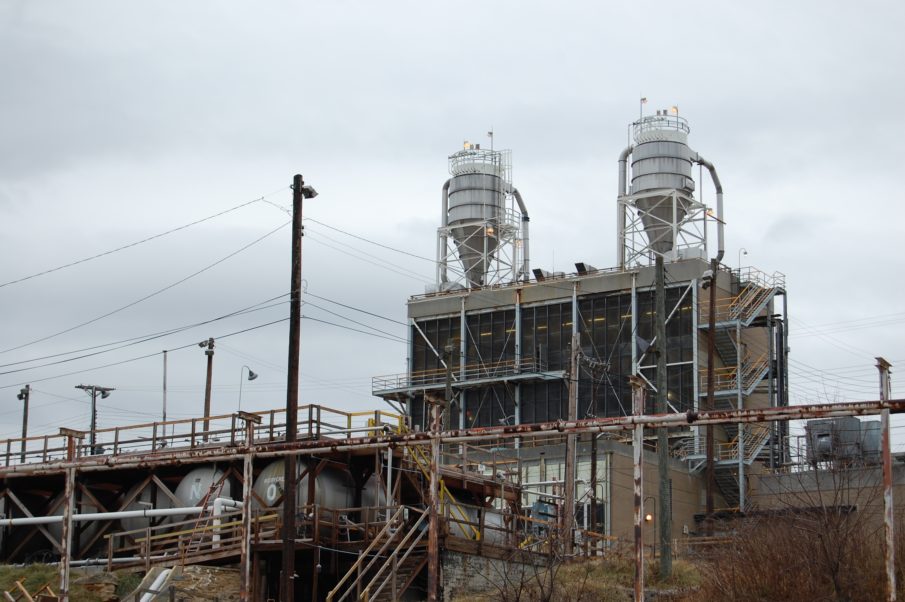
Dangerous pollutants in military’s open burns greater than thought, tests indicate
SOFREP News Team
Speed
1x
The federal government appears to have significantly underestimated the amount of lead, arsenic and other dangerous pollutants that are sent into the air from uncontrolled burning of hazardous waste at the Radford Army Ammunition Plant in Virginia, according to a draft of a long-awaited report compiled by researchers at the Environmental Protection Agency. The report details results […]
Advertisement
What readers are saying
Generating a quick summary of the conversation...
This summary is AI-generated. AI can make mistakes and this summary is not a replacement for reading the comments.








COMMENTS