
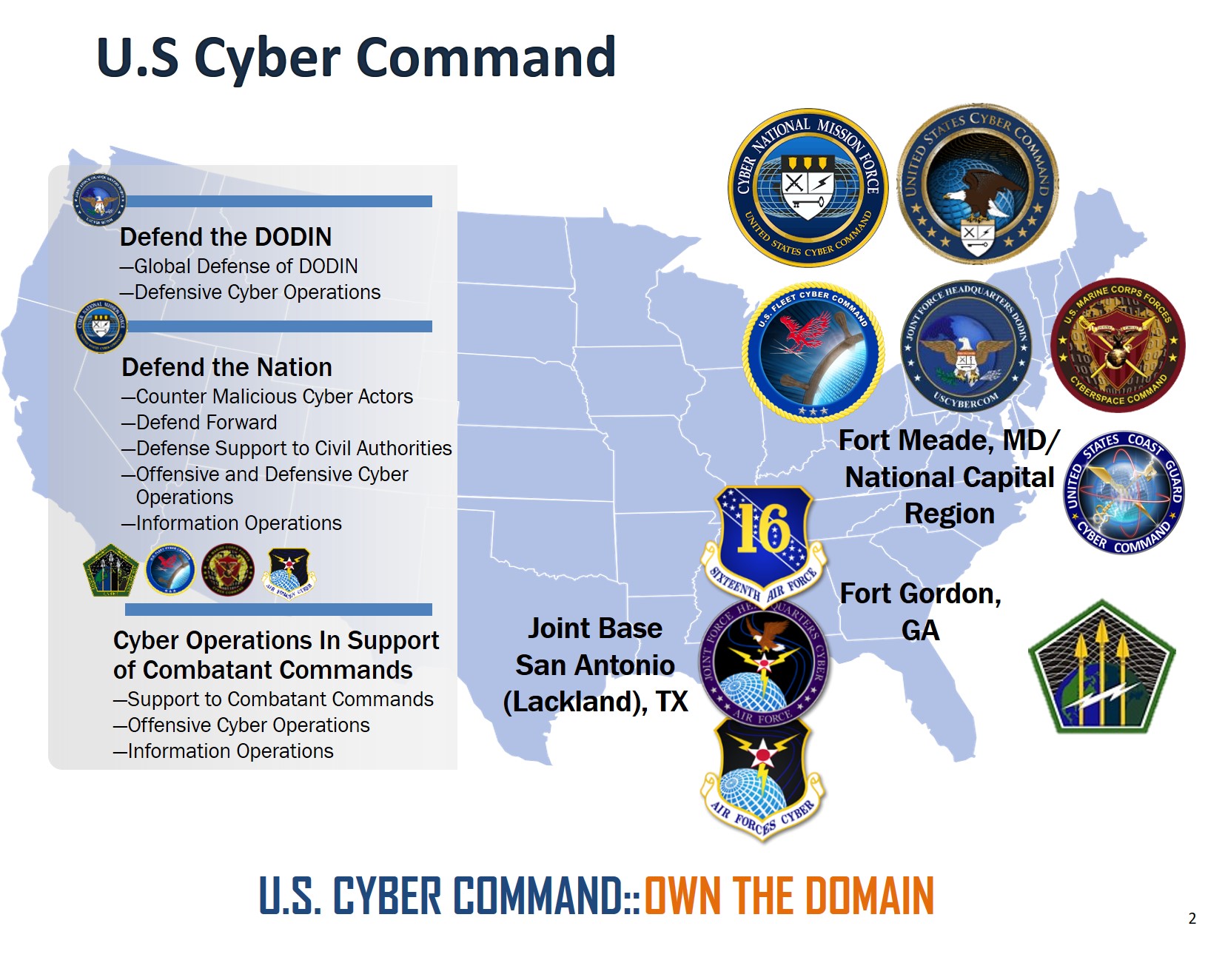
Navy: Sailors in the Cyber Warfare Technician (CWT) rating, formerly CTN, handle exploitation, defense, forensics, and threat tracking for the fleet and joint force. Officer side, Information Warfare and cryptologic types plug into Fleet Cyber to fuse intel with operations.
Marine Corps: The 17XX field covers cyberspace operators. 1711 Offensive Cyber Operator and 1721 Cyberspace Warfare Operator bring both attack and defense skills, then stitch those effects into Marine and joint plans.
Air Force: 1B4X1 Cyber Warfare Operations Airmen conduct offensive and defensive missions. The bigger cyber defense workforce sits in 1D7X1 specialties, keeping base and deployed networks running while 16th Air Force integrates the fight for USCYBERCOM.
Space Force deserves a quick nod. Guardians bring cyber talent focused on protecting satellites and space control networks, and that feeds into the joint mission as their cyber career fields mature.
What do they do that matters to you? They keep the military’s digital plumbing working while making sure adversaries cannot blind, slow, or spoof US forces. That means hunting foreign intruders in DoD networks, shielding weapons systems from sabotage, and disrupting enemy command-and-control paths before they can be used against Americans.

Quick cyber hygiene for the home team:
1. Patch fast. Most hacks start with old, unpatched software. If your device nags you, listen.
2. Use multifactor authentication. A password is a lock. MFA is the deadbolt plus the dog.
3. Treat links like IEDs. If a message feels urgent, weird, or too good to be true, stop and verify another way.
4. Assume breach, limit blast radius. The military calls this Zero Trust: never trust a user or device just because it is “inside.” Verify constantly and give only the access needed.
USCYBERCOM is not a sci-fi side quest. It is a full-spectrum command with soldiers, sailors, Marines, airmen, and Guardians all wearing the same mission patch: keep America safe in a world where the next attack might ride a fiber line instead of a ballistic arc. And yes, the people doing it are still warriors, even if their rucks are full of laptops.
—
** Editor’s Note: Thinking about subscribing to SOFREP? You can do it now for only $1 for your first year. Pull the trigger on this amazing offer HERE. – GDM








COMMENTS