

A couple of days ago, the EU launched a $220 billion plan to replace Russian energy dependency. Brussels announced its intention to spend up to 314 billion euros so it could end its reliance on Russian gas by 2030.
“We are taking our ambition to yet another level to make sure that we become independent from Russian fossil fuels as quickly as possible,” EU Commission President Ursula von der Leyen said on Wednesday in Brussels when announcing the package, dubbed REPowerEU.
At present, Russia is supplying about 40 percent of EU’s gas and accounts for 27 percent of oil imports.
As the war continues, the EU has implemented a sanction on Russian coal, banning the bloc from any purchase starting this August.
“RePowerEU will help us to save more energy, to accelerate the phasing out of fossil fuels and, most importantly, to kick-start investments on a new scale,” von der Leyen said.
The Commission will reportedly invest in fossil fuel infrastructure, liquefied natural gas projects, and alternative energies.
Cyprus Energy Minister Natasa Pilides also said they’re focusing more on finding new sources of gas to minimize (and ultimately end) reliance on Russian gas. And with Turkey they’re also looking to be an alternative provider.
“Europe is a good potential customer for Cypriot gas,” Pilides told Bloomberg. “The EU has confirmed that natural gas will remain a bridge fuel up to 2049 as part of the green transition so companies now have the comfort of being able to secure long-term contracts.”
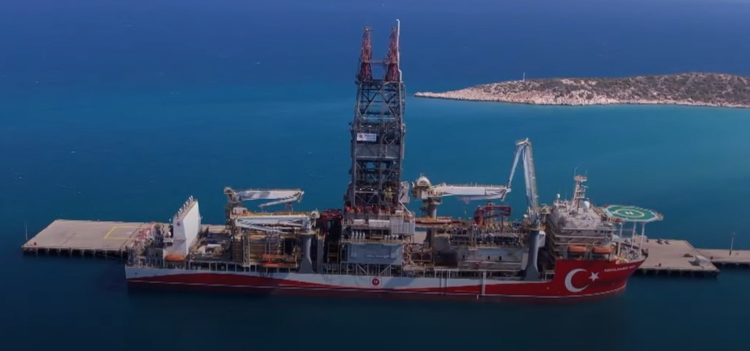
However, Turkey’s still actively opposing Cyprus’ sovereignty and has imposed their “sovereign right” to drill around the island.
“Turkey has a long-term plan of being an energy hub in the region and playing an important role in EU energy security,” Ubud Shokri, a Turkish senior foreign policy adviser, told Al Jazeera.
Aside from Turkey’s bold activities around the region, they are also opposing existing sanctions on buying gas from Russia. They’re using their NATO “immunity” to circumvent legalese secretly.
“Supplies of Russian oil to ports in Italy and Turkey rose to multi-week highs in the seven days to August 5, offsetting a drop in supplies to customers in Northern Europe. Supplies from Russia to the Mediterranean region as a whole were the highest since mid-June,” according to Bloomberg.
Even with the reports, the EU has yet to impose sanctions against Turkey and has only been “closely monitoring Russian-Turkish ties.”
“The identification of some of these shipments as non-Russian, even if they are of the Russian variety sent from a Russian port, shows how difficult it will be to control the sanctions when they take effect in December,” the report added.
Still, even with opposition from NATO partners like Greece (who are claiming Turkey’s gas exploration would overlap in their territories), Erdogan is firm in his stance, saying they are not seeking permission from anyone.
“Our exploration and drilling in the Mediterranean is within our own sovereign dominion. Neither the puppets nor the ones who hold their strings will be able to prevent us from getting our rights in the Mediterranean.”
“We don’t need to seek permission or ratification from anyone,” Erdogan added. “We will take what is ours.”








COMMENTS