

Challenges and Skepticism
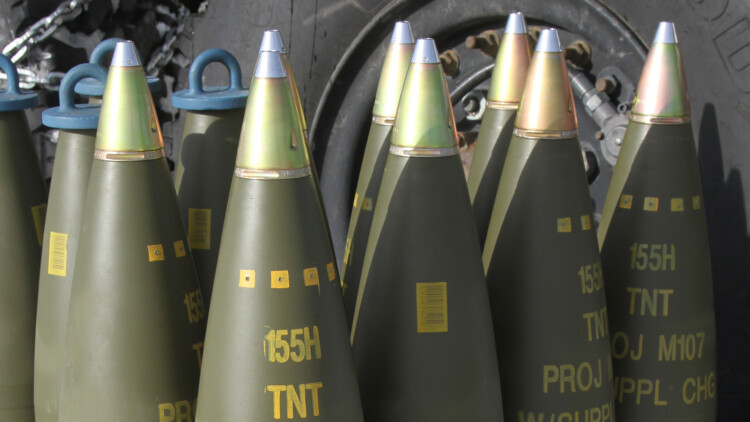
From the outset, skepticism has surrounded the feasibility of delivering a million shells to Ukraine within the stipulated timeframe. Some EU member states expressed concerns about achieving this ambitious target, fearing that logistical challenges and other complexities might hinder the process. For one, the EU’s most senior diplomat Josep Borrell warned in March that there would be “difficulties” if members failed to reach a deal to replenish Kyiv’s fast-dwindling stocks. The recent figures reinforce these reservations, as the deliveries have fallen short of expectations.
These photos published by the Southern Defense Forces show the consequences of Russia's missile and drone attack against Odesa Oblast overnight on Aug. 14.
Falling missile debris injured three people and damaged civilian buildings in central Odesa, the oblast governor said. pic.twitter.com/VxJWSXXpli
— The Kyiv Independent (@KyivIndependent) August 14, 2023
Transatlantic Support: United States Involvement
In addition to the EU’s efforts, the United States has also extended substantial support to Ukraine. The Pentagon reported that as of July 25, the Biden administration had committed over $43.7 billion in security assistance to Ukraine, including tons of artillery rounds and ammunition, infantry arms and equipment, air defense systems, air-to-ground missiles, manned aircraft, explosive and combat drones, ground support vehicles, satellite services, surveillance drones, radar and communication equipment, and tanks and armored carriers, such as the 31 Abrams tanks, to name a few.
Its most recent military aid package worth $200 million includes missiles for the High-Mobility Artillery Rocket System (HIMARS) and the Patriot air defense system to help sustain and boost Kyiv’s counteroffensive efforts. The aid also comprises munitions for howitzers and tanks, Javelin rockets, mine-clearing equipment, 12 million rounds of small arms ammunition, and demolition munitions, and Ukrainian troops struggle to hold in the frontlines against Russia’s well-entrenched defenses, more ammunitions and weaponry will likely be needed. Following this, the White House requested the US Congress, seeking, yet again, an additional $13 billion for new military expenditures aimed at supporting Ukraine.
“For people who might be concerned the costs are getting too high, we’d ask them what the costs — not just in treasure but in blood, perhaps even American blood — could be if Putin subjugates Ukraine,” said White House national security spokesman John Kirby last week, as cited by PBS News.
That’s why other allies like the EU needed to increase their efforts to reach their promised assistance. Nonetheless, such initiatives underline the transatlantic solidarity in aiding Ukraine’s defense capabilities.
Conclusion
The European Union’s initiative to provide artillery shells to Ukraine demonstrates its commitment to supporting countries facing security challenges. Despite challenges and skepticism, the ongoing efforts signify a unified stance against aggression and a commitment to aiding Kyiv’s defense capabilities. As negotiations continue and contracts are finalized, the focus remains on efficiently delivering the necessary resources to bolster Ukraine’s defense against Russia’s aggression. The situation serves as a testament to the complex dynamics of international relations and the willingness of nations to come together in times of crisis.








COMMENTS