


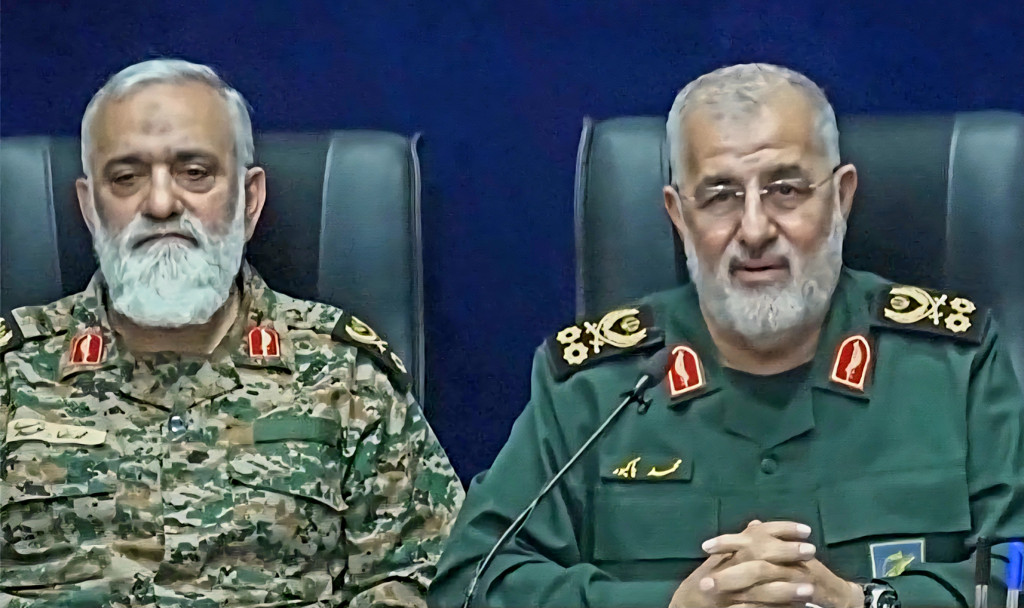
Regionally, they signal that the Strait can be made tense without being closed. Militarily, they rehearse the tools Iran actually relies on, swarm boats, drones, and missile platforms that complicate interception more than many planners once assumed.
For the United States, the response is equally deliberate. CentCom’s warnings reflect rules of engagement refined over years of close encounters with Iranian fast boats and aircraft. Iranian units can exercise, but they cannot simulate attack runs, weave through formations, or close inside minimum safety distances without being challenged. If those challenges are ignored, escalation becomes mechanical rather than political.
Iranian Army Chief Amir Hatami’s “finger on the trigger” remark signals an acceptance of higher risk. It suggests Tehran is prepared for limited kinetic exchanges if it believes U.S. strikes are imminent. That could mean missiles fired at drones, aircraft, or regional bases, not an all-out war, but enough to raise the cost.
For now, this remains a flashpoint, not a shooting war. Both sides are maneuvering inside narrow bands, trying to deter without miscalculating. In the next 72 hours, the danger is not imminent. It is proximity, compressed timelines, and weapons that leave less margin for error than anyone would like.
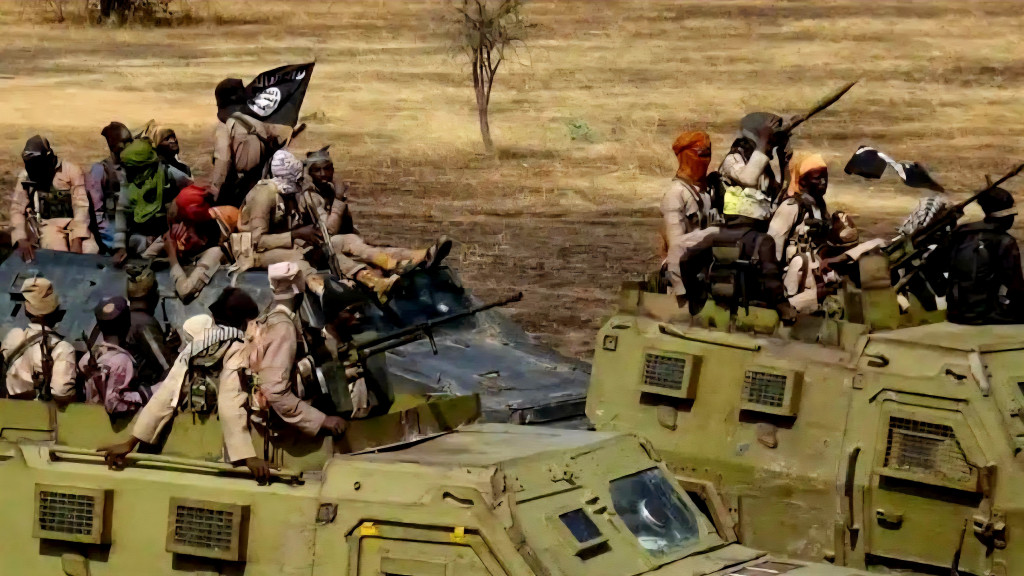
ISWAP Overruns Nigerian Army Base in Sabon Gari, Borno
ISWAP has claimed a major attack on a Nigerian Army base at Sabon Gari, Damboa Local Government Area, in Borno State, on Thursday, 29 January 2026. Military sources told SaharaReporters that insurgents launched an assault on the formation, firing heavily and causing numerous casualties among soldiers and Civilian Joint Task Force (CJTF) members.
Sources stated that a yet‑to‑be‑confirmed number of soldiers were killed in the attack by the Islamic State West Africa Province (ISWAP), the Islamic State‑backed faction of Boko Haram, formerly known as JAS. “There was an attack, many soldiers were killed, but I don’t have the correct figure yet,” a source told SaharaReporters on Saturday, 31 January.
The attackers reportedly burned armored tanks and military vehicles at the base and made off with an unquantifiable amount of ammunition, a significant logistical and morale blow to the defending force. ISWAP later issued a formal statement claiming responsibility for the operation, accompanied by a video showing its fighters shooting at the military facility.
This attack follows a deadly ambush on Monday, 26 January 2026, in which seven Nigerian military personnel, including a newly promoted lieutenant colonel, were killed in Mobbar Local Government Area, Borno State. SaharaReporters previously reported that Lieutenant Colonel Mohammed was leading a troop of soldiers from Maiduguri to Damasak when they came under attack by the militants. Military sources said the insurgents used explosives and heavy gunfire, wounding many soldiers while others remain missing.
Since the death of former Boko Haram leader Abubakar Shekau, ISWAP has been consolidating control over key areas around Lake Chad, drawing in hundreds of former Shekau fighters. The group has continued to carry out high‑casualty attacks, while the Nigerian Army publicly maintains that the insurgency has been largely defeated, often downplaying battlefield losses – total Bravo Sierra to anyone who’s been paying even the slightest amount of attention to what’s been going on.
The terror campaign overall has caused over 100,000 deaths and displaced millions of civilians, primarily in Adamawa, Borno, and Yobe states. The Sabon Gari assault underscores ISWAP’s ability to mount complex, direct attacks on fixed military targets, exposing vulnerabilities in Nigeria’s long‑running counter‑insurgency campaign.
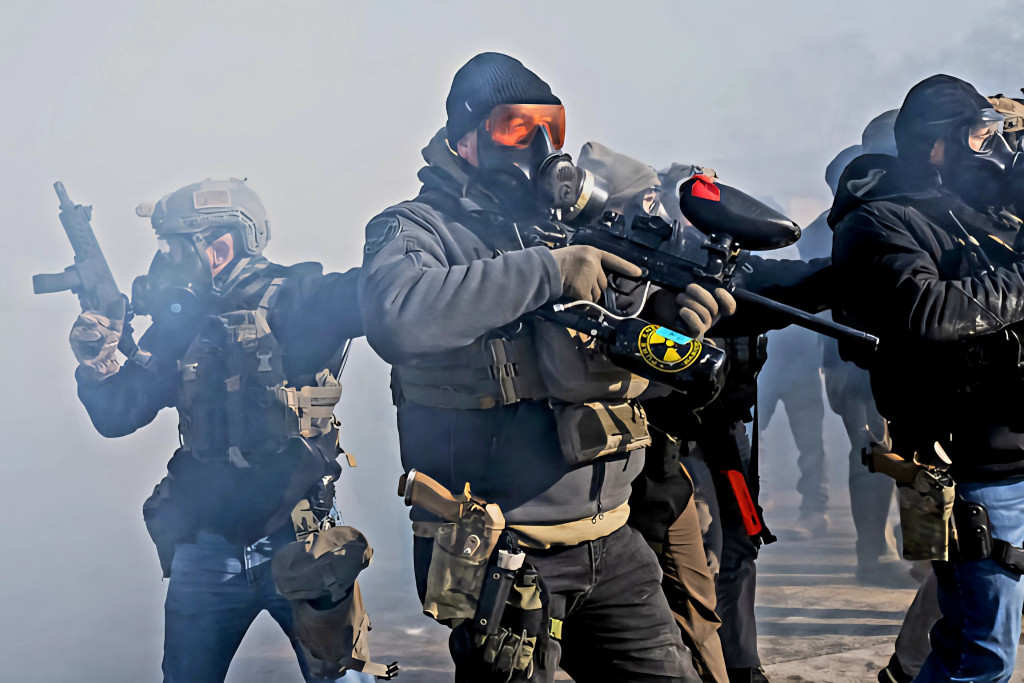
Minnesota Loses Bid to Halt ICE “Operation Metro Surge,” WaIz Blames Trump
A federal judge has denied Minnesota’s request to immediately halt “Operation Metro Surge,” the ICE-led sweep targeting criminal aliens in the Twin Cities, ruling that the state and two cities failed to meet the high legal bar to block a federal law enforcement operation at this stage of the case.
The injunction was part of Minnesota’s legal pushback against the Trump administration’s hardline enforcement posture, arguing that the surge undermines state and local policies and public trust. But the court found that the state and cities did not prove “irreparable harm” that would justify blocking the operation before the full case plays out – a clear win for the feds and the DOJ.
Governor Tim Walz framed the conflict in political terms, saying, “Minnesota is very much a state with progressive values,” and that the fight over “Operation Metro Surge” is ultimately about the Trump administration: “Trump lost Minnesota three times, and this is what this conflict is about.”From an enforcement standpoint, the judge’s ruling reinforces that federal authority to apprehend deportable aliens trumps sanctuary-style resistance in the courts, at least for now. That means ICE teams can keep hitting criminal alien networks in blue states as long as the DOJ and the courts back them.
But here’s the unvarnished truth: despite the administration’s “worst of the worst” rhetoric, the data on ICE’s interior enforcement since President Trump returned to office shows a different picture.
Independent analysis of the 2025–2026 enforcement period indicates that around 190,000–200,000 people have been removed by ICE, but only about 5% of those detainees had a violent criminal conviction (murder, rape, armed robbery, aggravated assault, etc.).The vast majority – roughly 70–75% – had no criminal conviction at all, and most of the rest had only low‑level, non‑violent offenses. That pattern is consistent with prior administrations: the surge is largely in non‑criminals and low‑level offenders, not the mass wave of cartel and MS‑13 heavies that the political narrative often sells.
So while the Minnesota case is a legal win for federal authority, the real story for SOF/LEO professionals is this: the “violent criminal” label is more political than it is operational. Operation Metro Surge may be a strong show of force, but most of the removals are not the archetypal “dangerous alien” that drives the public debate.
To be clear, I am not insinuating that these folks are not in the wrong for being undocumented. I’m just trying to bring some sanity to an issue that’s being lost in the fog of war.








COMMENTS