

The second is attention.
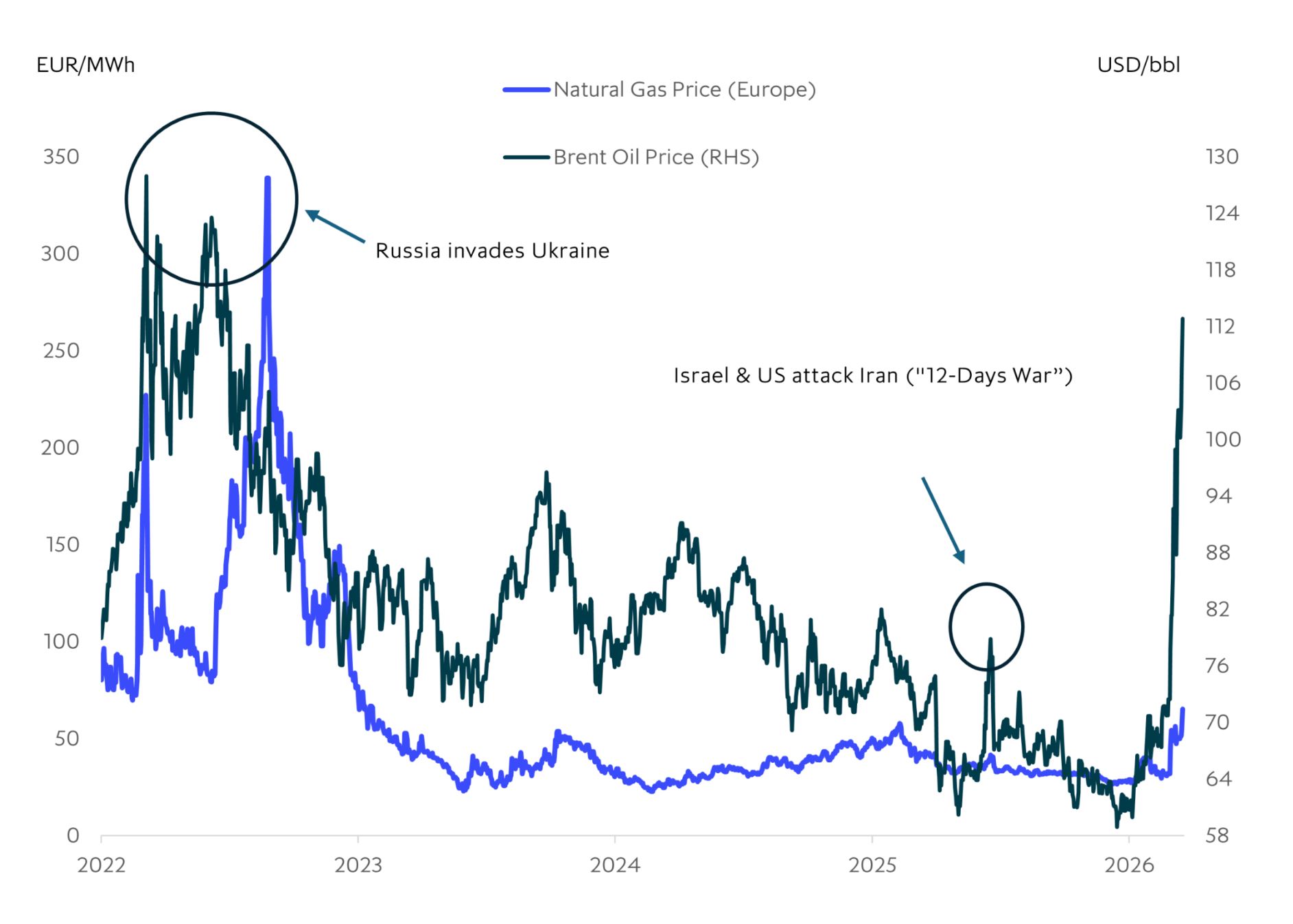
Ukraine is still burning, but it’s no longer the only fire. As the Middle East war expands, Western resources, both political and military, are being stretched across multiple theaters. There have already been reported discussions in defense and policy circles about the allocation of Patriot systems between Ukraine and CENTCOM requirements, along with broader debates on how to prioritize limited air defense assets.
That friction alone has an effect.
Russia doesn’t need the West to abandon Kyiv. It just needs hesitation. Slower timelines. Competing priorities.
Strategic patience, the one thing Moscow has had in abundance, starts to pay off.
Then there’s the third layer. The exchange.
What began as a one-way pipeline, Iranian drones flowing into Ukraine, has evolved into a feedback loop. Iran supplied the mass, cheap, expendable systems that reshaped the battlefield. Russia refined their use under combat conditions, improving tactics, survivability, and integration with electronic warfare.
Now that knowledge is moving.
There are credible assessments, including from Western intelligence channels, that Russian ISR support and battlefield lessons are feeding back into Iranian capabilities. The result is a cycle where what is learned in Ukraine shows up in the Middle East, and what is tested in the Middle East feeds back into Ukraine.
This is no longer theoretical. It is operational.
The wars are connected now, economically, technologically, and strategically.
That’s the part ignored by most media platforms.
Russia is not dominating headlines in this conflict. It’s not launching missiles into the Gulf or moving divisions across borders. It’s doing something far more effective.
It’s letting others burn through resources, attention, and time, while it strengthens its own position.
Moscow didn’t start this war in the Middle East.
But right now, no one is gaining more from it.
They Came at Us First. It Didn’t End Well
They took their shot. We took the map.
This mess in the Middle East didn’t start last week. It didn’t start with a radar hit in Jordan or a missile volley over the Gulf. It started decades ago, with proxy attacks, bombings, and a steady drip of American blood spilled by groups backed, trained, and armed by Tehran. Marines in Beirut. Troops in Iraq. Contractors, diplomats, and service members caught in the long shadow of a war that never quite declared itself.
They kept pushing.
And then they got close. Too close.
When Iran moved toward the threshold of a nuclear weapon, this stopped being a slow bleed and became something else entirely. At that point, there are no half measures. You either act early or you live with the consequences later.
So the United States pivoted, fast.
What followed wasn’t chaos. It was a well-oiled system firing on all cylinders.
The American way of war isn’t just about firepower. It’s about the speed between knowing and acting. Find, fix, finish. Not as a slogan, but as a process refined over two decades of nonstop combat.
Targets don’t just appear. They’re built.
Signals intelligence pulls patterns out of the noise. Satellites track movement, heat signatures, and changes in terrain. Drones loiter overhead, watching, waiting, feeding real-time video back to analysts who have minutes, sometimes seconds, to decide what matters and what doesn’t.
Then it compresses.
A target identified in one domain is handed off across the network, airborne assets rerouted, naval platforms queued, strike packages built on the fly. The time between detection and impact is measured in minutes, not hours.
That’s how you hit hard without wasting motion.
And when the order comes, it doesn’t come in pieces.
Air, sea, cyber, all of it moves together.
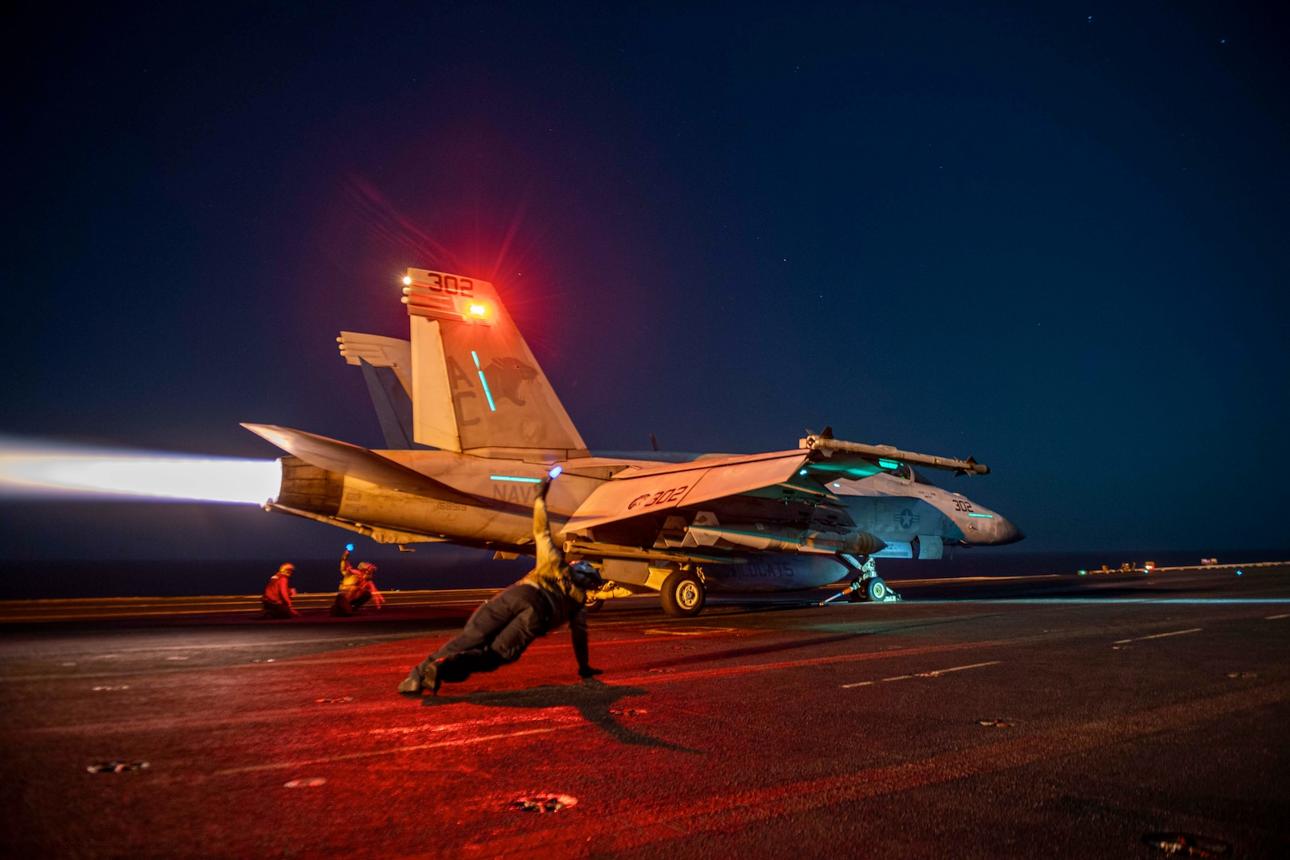
Carrier strike groups in the region launch waves of aircraft, precision-guided munitions hitting hardened facilities, command nodes, and infrastructure tied to Iran’s military and nuclear programs. Stealth platforms go in first, opening corridors, suppressing defenses, blinding radars. Follow-on strikes widen the damage, turning isolated hits into systemic disruption.
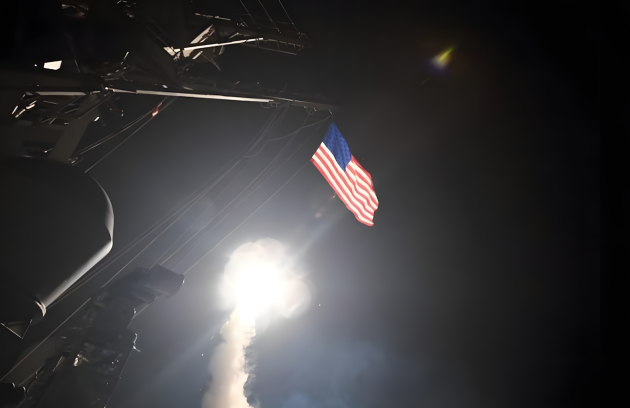
Offshore, destroyers and submarines add their weight, Tomahawk cruise missiles cutting across hundreds of miles to strike fixed targets with accuracy measured in feet.
On the ground, special operations elements and forward teams feed targeting data and confirm effects, tightening the loop even further.
And in the background, the part you don’t see, cyber operations are already in motion. Networks disrupted. Communications degraded. Systems slowed or shut down at the exact moment they’re needed most.
It’s not one punch. It’s a sequence.
Facilities tied to missile production. Storage sites. Launch infrastructure. Command-and-control nodes. Pieces of a larger machine, hit in a way that makes the whole thing stutter.
CENTCOM: 🇮🇷🇺🇸Releases footage striking Iranian target. pic.twitter.com/kGfOCS5qMv
— Donald J Trump Posts TruthSocial (@TruthTrumpPost) March 26, 2026
Not symbolic strikes.
Functional damage.
That’s the difference.
This isn’t about flattening cities or scoring headlines. It’s about breaking capability, fast enough that the other side can’t reset before the next move.
And that’s where the gap shows.
Video of CENTCOM American airstrikes on Iranian ballistic missile launchers released. pic.twitter.com/VE0I4ozENB
— WarMonitor🇺🇦🇬🇧 (@WarMonitor3) March 2, 2026
Iran and its proxies can plan attacks. They can build drones, fire rockets, and coordinate strikes.
But they cannot match the speed of the response.
They cannot match the integration.
They cannot match the scale.
They took their shot, like they have for years.
This time, the answer wasn’t another warning.
It was a reminder of what happens when you push a system designed to find you, fix you, and finish the job before you even realize the fight has changed.








COMMENTS