

— Metropolitan Police (@metpoliceuk) December 1, 2019
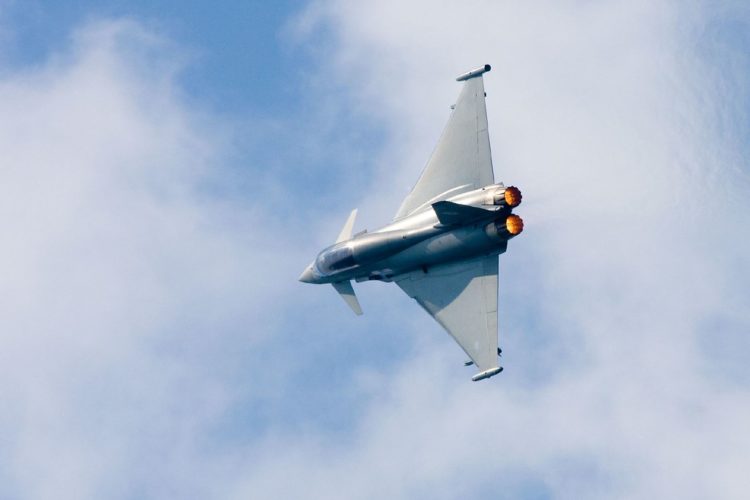
The UK, like the United States, maintains strict control of air traffic over densely populated areas, and in particular, over the nation’s capital. According to statements made by a spokesperson for the Royal Air Force, the fighters were scrambled after an aircraft in London airspace lost communications.
“Typhoon aircraft from RAF Coningsby were scrambled this morning, as part of the UK’s Quick Reaction Alert (QRA) procedures, after an aircraft lost communications in UK airspace,” the spokeswoman said. “The aircraft was intercepted and its communications were subsequently re-established.”
So what really causes a sonic boom? As an aircraft travels below the speed of sound (around 717 miles per hour) the air in front of the aircraft is compressed. When the fighter breaks through the “sound barrier,” it releases that built up pressure in a boom that resembles a thunder clap. Essentially, the boom is the wake of the plane’s sound waves as it exceeds the speed of sound.
Although the FAA has strict rules about where aircraft are permitted to fly at supersonic speeds, it’s not at all uncommon for military aircraft to “go supersonic” in order to quickly intercept potential threats. In 2017, for instance, U.S. Air Force F-15s were authorized to go supersonic in order to intercept a civilian aircraft flying near President Trump’s Mar-a-lago resort after it lost communications with the ground.








COMMENTS