
The consequences of this espionage are far-reaching. Economically, the theft of trade secrets and intellectual property has led to billions of dollars in losses. National security is also at risk, as stolen weapons technology, including nuclear test data, could compromise U.S. defense capabilities. Additionally, major data breaches have resulted in the theft of vast amounts of personal information from American citizens, further heightening security risks.
In response, U.S. authorities have ramped up efforts to combat these threats. Lawmakers are pushing for increased security measures at military bases and critical infrastructure sites, while the FBI and other intelligence agencies are working tirelessly to counter Chinese espionage. However, the scale and sophistication of China’s operations present significant challenges, making it difficult for Western intelligence agencies to keep up.
As this threat continues to evolve, U.S. officials are prioritizing new strategies to protect American interests. With espionage activities showing no signs of slowing down, the fight to safeguard national security, economic stability, and technological innovation remains an urgent and ongoing battle.
The Federal Reserve’s Role and the Implications of the Breach
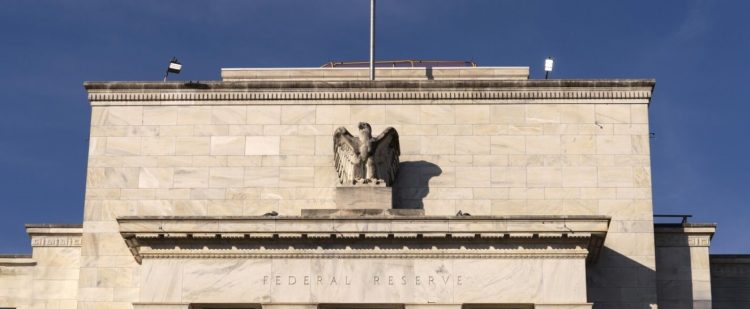
The Federal Reserve plays a vital role in maintaining the stability of the U.S. economy, making the alleged espionage by John Harold Rogers a serious concern with far-reaching implications. As the central bank of the United States, the Federal Reserve is responsible for conducting monetary policy, ensuring financial system stability, supervising and regulating financial institutions, maintaining the safety and efficiency of payment systems, and promoting consumer protection and community development.
Within the Federal Reserve, the Federal Open Market Committee (FOMC) is particularly influential, as it sets key monetary policies at least eight times a year. Its decisions impact interest rates, credit conditions, and overall economic productivity, affecting how businesses and individuals spend and invest.
The alleged breach by Rogers could have significant consequences, particularly in the area of economic manipulation. If China gained access to confidential Federal Reserve information, it could strategically manipulate U.S. financial markets, much like insider trading. With advance knowledge of upcoming policy changes, such as adjustments to interest rates, China could time the buying or selling of U.S. Treasury bonds to maximize profits or minimize losses. Such actions could disrupt financial stability, influencing inflation, borrowing costs, and overall market confidence.
Beyond economic concerns, the situation also poses a national security risk. The theft of sensitive financial data could give China an unfair advantage in global financial markets, undermining U.S. economic competitiveness. It also threatens the integrity of the U.S. financial system by compromising the confidentiality of Federal Reserve deliberations, eroding trust in American markets. Additionally, this incident is likely to further strain U.S.-China relations, prompting heightened scrutiny of academic and economic collaborations between the two countries.
The case also highlights the urgent need for stricter security measures and more rigorous vetting processes for individuals with access to sensitive economic data. As concerns over Chinese espionage continue to grow, the U.S. must strengthen its defenses to protect critical financial information and ensure the stability and integrity of its economic institutions.
The Legal Proceedings Ahead
John Harold Rogers was arrested on January 31, 2025. On the same day as his arrest, he appeared in court, where a magistrate judge ordered him to be temporarily detained without bond. His next court appearance, an arraignment and detention hearing, is scheduled for Tuesday, February 4, 2025.
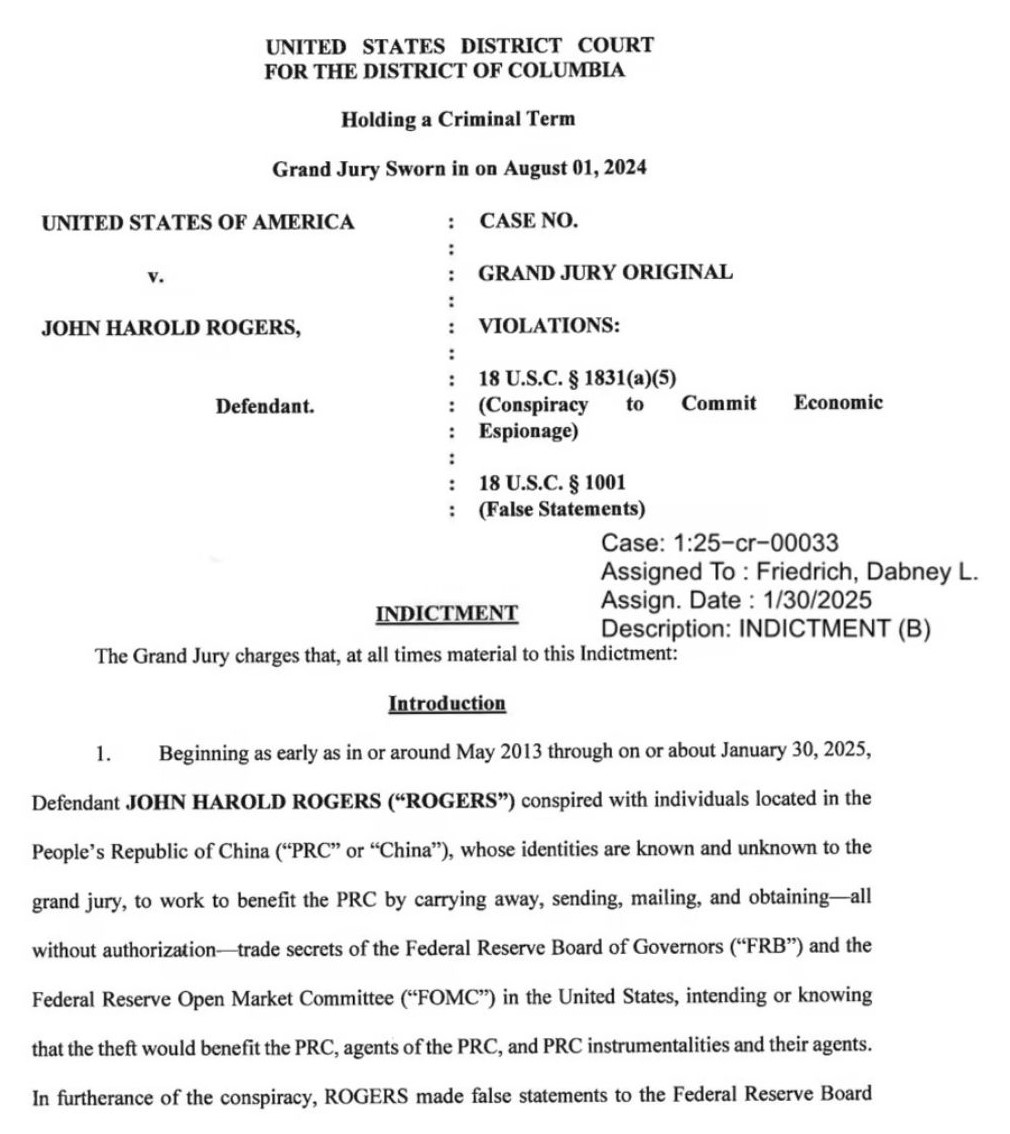
While there have been no public statements from Rogers’ legal team or government prosecutors about the upcoming proceedings, U.S. Attorney Edward R. Martin Jr. made it clear that the government is taking the charges quite seriously. He stated that Rogers “exploited his position within the Federal Reserve to relay sensitive financial information to the Chinese government, a recognized foreign adversary.” Martin also warned that this indictment should serve as a clear reminder that law enforcement will find and hold accountable anyone who betrays or exploits the United States.
A Broader Context: U.S.-China Relations and Espionage
The charges against Rogers are part of a larger pattern of rising tensions between the United States and China, particularly in intelligence gathering and economic competition. In recent years, Chinese espionage targeting U.S. institutions has become a growing concern for American officials and lawmakers as China continues to seek access to sensitive financial, technological, and government information.
The scale of Chinese espionage is alarming. The FBI reports that it opens a new China-related counterintelligence case every 10 hours, with nearly 2,500 ongoing investigations into Chinese operations. Over the past decade, economic espionage cases involving China have increased by 1,300%, highlighting the growing threat to U.S. national security and economic stability.
The economic impact of this espionage is substantial. Around 80% of U.S. economic espionage prosecutions involve actions that benefit China. Since 2000, China has been linked to 90 cyber espionage campaigns, surpassing Russia’s activity by 30%. These intelligence efforts align with China’s “Made in China 2025” plan, which aims to dominate key global industries by acquiring technological advancements—often through illicit means.
In response, the U.S. government has ramped up efforts to counter these threats. Law enforcement agencies have increased prosecutions of espionage cases, and new regulations have been implemented to restrict U.S. investments in sensitive Chinese technologies. Additionally, the government has intensified scrutiny of Chinese companies operating within the U.S., especially in technology-related fields.
The Rogers case is just one example of the broader struggle between the two global powers. U.S.-China relations have deteriorated in recent years due to growing competition in high-tech manufacturing, artificial intelligence development, concerns over China’s access to U.S. data, and ongoing trade disputes. As both nations navigate these complex challenges, the balance between economic cooperation and national security remains a pressing issue for policymakers.
Summing Up
The arrest of John Harold Rogers should serve as a wake-up call regarding the persistent threats posed by economic espionage. As the legal process unfolds, it will be crucial to examine how sensitive information was allegedly exfiltrated and to implement measures to prevent similar breaches in the future.








COMMENTS