

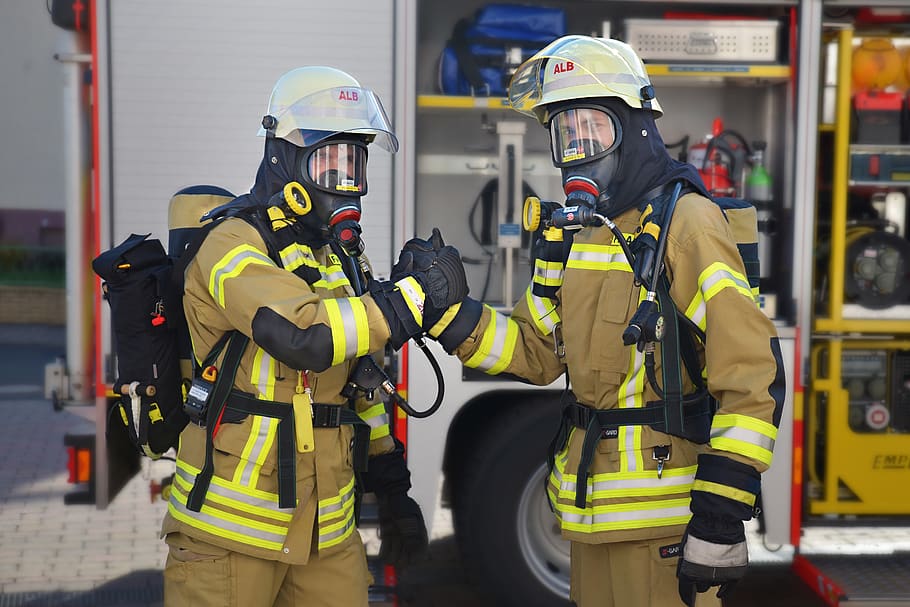
The fire officer will be weighing whether the EMS unit is close enough to arrive in time to handle the call without unnecessarily exposing the fire crew to the patient. The ambulance crew cannot avoid contact, as they will likely be transporting the patient to the hospital. They are going to be in full personal protective equipment (PPE): face shield, N95 mask, gloves, gown. They will sterilize themselves and the ambulance between each transport. If we can avoid exposing the fire crew to the same procedures, that is all the better for the system as a whole. It saves PPE. It saves decontamination supplies. It potentially saves multiple members of a crew from contracting the illness. All of these considerations affect the city’s emergency response system writ large.
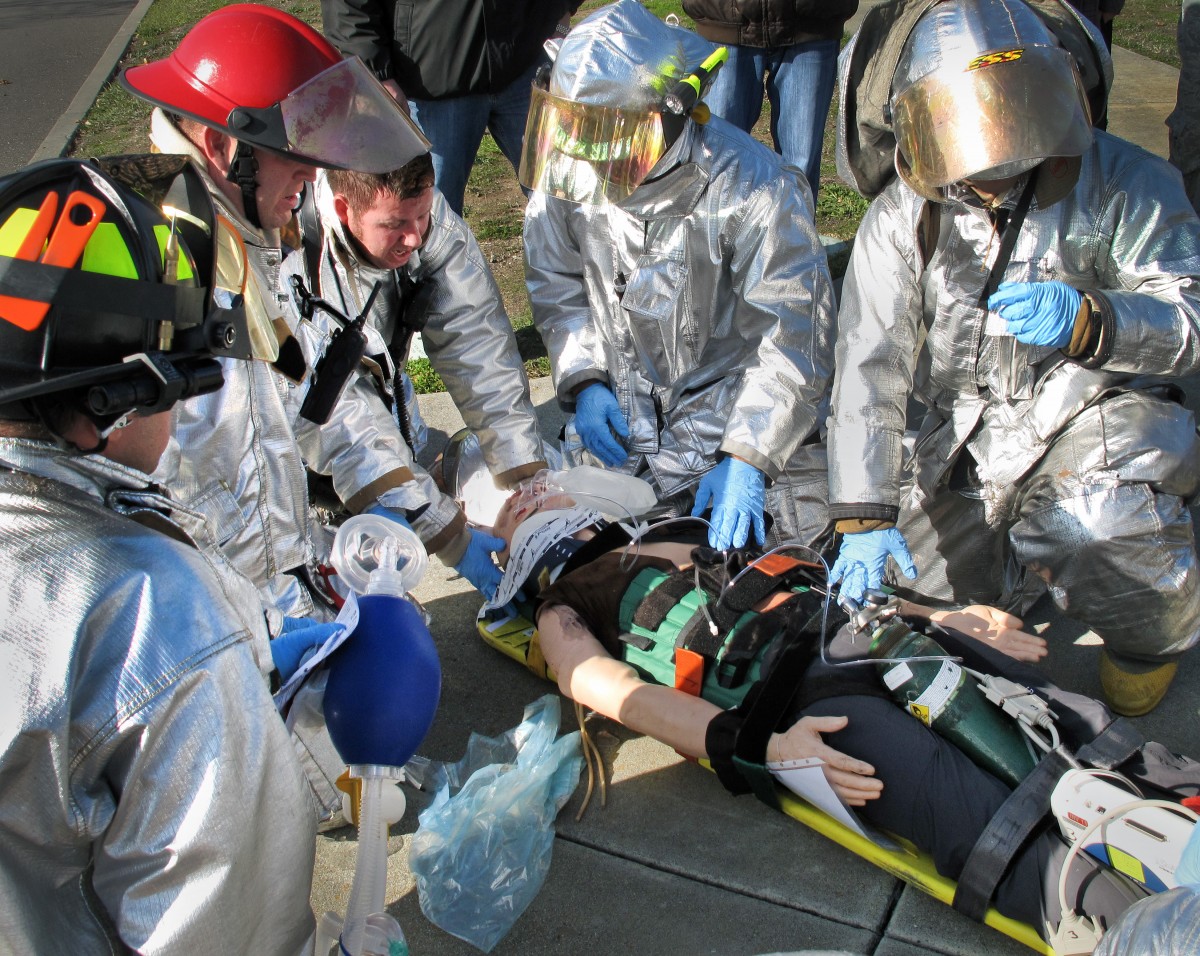
If the fire company does need to make contact — the ambulance might still be en route and the patient is showing signs of increasing difficulty breathing — then the fire officer will make additional decisions. How many of the crew will be exposed directly to the patient? What interventions will we perform? Can the patient remain stable until the ambulance crew arrives?
The officer might decide to leave the driver in the engine. He might tell the backseat firefighter to stay at the front door of the home, in full PPE, ready to enter if needed. The officer will likely enter the residence alone if the patient cannot come outside. The officer will hopefully see that the patient is stable, not yet showing the telltale signs of severe respiratory distress — a patient in the tripod position, with the whole upper body working to gasp for breaths, or heavy sweating and a panicked demeanor, indicating that the patient is fearful that he or she is about to suffocate.
If the patient is stable, the officer will acquire some information on the patient and their current condition and medical history — all from a distance of six feet, and wearing a mask and eye protection, gloves and gown. The officer will avoid touching the patient and any surfaces inside the house. The officer will likely not take blood pressure, nor will he or she place a pulse oximeter on the patient, to check oxygen saturation, unless the patient appears to be truly struggling to breathe.
In the latter case, the officer might need to call in the backseat firefighter to prepare to administer oxygen via a mask that will cover the patient’s nose and mouth and provide high-flow oxygen via a small tank that is carried in the crew’s medical bag. That mask will not only provide the oxygen. It will also keep the patient’s possibly-infected sputum from entering the air when they cough. That is important.
At this point, the ambulance crew should have arrived. They will come in and take over unless the fire crew can get the patient outside before they arrive. Again, not entering the home is best. They will prepare the patient for transport. The fire crew will retreat back to the fire engine, for the next step in this process of coronavirus response.
The fire crew will wipe down with alcohol wipes any piece of gear that came inside the home. They will wipe down their medical gloves, then the handles of the medical bags. They will wipe down the handles to the engine doors. They will then carefully remove their PPE for disposal in trash bags brought along for the purpose. They will double bag them. They will leave them in an outside compartment. They will then use hand sanitizer before they enter the fire engine. They will spray the soles of their boots with disinfectant. When they arrive back at the station, they will further disinfect the engine. They will leave their boots in the engine bay. They will wash their hands vigorously and thoroughly.
They will do everything they can to prevent bringing any contagion back inside the fire station. They will reset to do it all again during the next call. The station is the safe zone. They have to keep it contagion-free. It is the refuge inside of which the firefighters shelter between calls, the 8-to-10 of them waiting to respond to the next call, hoping they do not catch the disease and bring it home to their families and spread it even further than it has already spread.
The firefighters will hope that that next call is a fire, which is what they are comfortable with. It is what they know. It is the familiar; It is no longer the exceptional call. That perverse reversal has become the new normal in Pandemic America. We are living in far-from-normal times.








COMMENTS