

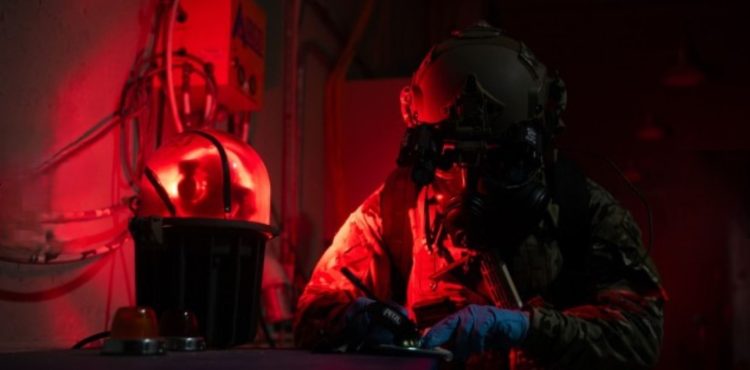
The mission of these teams is clear and deadly serious: exploit and disable enemy nuclear and radiological weapons infrastructure. They’re trained to dismantle or neutralize anything from dirty bombs to full-blown warheads, denying America’s enemies the chance to use or quickly rebuild that capability. After the initial seizure of a site, NDTs play a crucial role in supporting follow-on elimination efforts. They also assist with nuclear forensics—helping determine where material came from, how it was handled, and who might be behind it. This often puts them side by side with the FBI as part of the National Technical Nuclear Forensics Ground Collection Task Force. That’s about as high-level as it gets without slipping into the classified realm.
The story of the NDTs starts with the shifting threats of the post-Cold War world. Once the Berlin Wall came down and the Soviet threat started to decay, U.S. defense planners realized that nuclear weapons didn’t disappear—they just got harder to track. After 9/11, the specter of terrorists with radioactive material became a realistic nightmare. The 20th CBRNE Command was created to unify the Army’s response to these new, complex threats, and the NDTs were born out of the need for rapid, capable forces that could walk into a nuclear site mid-conflict and figure out exactly what the hell was going on—then make sure it couldn’t happen again.
These soldiers don’t just sit around waiting for something to go wrong. Their training is relentless. NDT personnel attend advanced schools like the Defense Nuclear Weapons School, which draws its instructional roots straight from the original Manhattan Project. They get drilled in everything from radiation containment and site exploitation to forensic sampling under hostile conditions. That’s not theoretical either—they train in full kit at decommissioned nuclear sites and simulate operations under live combat conditions with special ops units. The scenarios are nasty, unpredictable, and high-risk, exactly what you’d expect when nuclear material is involved.
So what we have here is a small, highly trained, technically lethal group of Army professionals tasked with one of the most dangerous missions on the planet: keeping the worst weapons out of the worst hands. The NDTs don’t seek glory. They’re not dropping out of helicopters with sunglasses and catchphrases. But when the alarms start ringing and something radioactive is ticking in a basement halfway around the world, these are the soldiers you want on the next flight out. They’re not the face of the typical warfighter—but they’re the last line of defense when the stakes couldn’t be higher.
Training: Forged in the Fires of Simulation
Becoming a member of one of the U.S. Army’s Nuclear Disablement Teams isn’t something that happens by accident—it takes a rare mix of brains, guts, and technical skill. These aren’t your average trigger-pullers.
Candidates usually come into the pipeline with some serious credentials already under their belt. Whether it’s prior experience in nuclear ops, CBRN defense, or scientific specialties like health physics and radiological safety, the baseline is high. You can’t fake your way into this kind of work. Most begin their journey with foundational training specific to their field—EOD school if they’re dealing with bombs, nuclear science courses if they’re more on the technical end. Officers tend to roll through advanced nuclear operations or counter-WMD programs that take a deep dive into enemy capabilities and how to shut them down.
From there, things get real. NDT candidates head into specialized training like the Nuclear Emergency Team Operations (NETOPS) course. That’s where they learn the gritty details of nuclear physics, radiation detection, contamination control, and emergency response. They don’t sit in classrooms playing with PowerPoints. They’re out there donning full protective gear, running drills with real radiation detection equipment, and operating at sites where radioactive material is live and dangerous. This isn’t Hollywood—it’s hands-on and hazardous.
Next comes the collective team training. This is where the team bonds through blood, sweat, and simulated radiation. They head to places like the Nuclear and Radiological Field Training Center, where exercises mimic the kinds of hellish scenarios they’d face in real-world operations. The drills are tailored to their mission—sometimes working alone, sometimes with multiple teams or agencies, always under pressure. Whether it’s disabling a warhead, containing a radiological leak, or coordinating with federal agencies, these guys train like it’s already the worst day of the year.
One of the wildest parts of the pipeline is combat integration. NDTs don’t just read about high-threat environments in a manual—they go out and train with some of the baddest units in the Army. That means running operations with Army Rangers and Special Forces units in full kit, often at night, often under simulated fire. They practice securing hostile or sabotaged nuclear facilities, moving fast, clearing rooms, and getting to the radioactive source before it can cause more damage. It’s about marrying technical skills with tactical movement. If you’re the kind of person who freezes under fire, this isn’t your calling.
Even after making it through all of that, training never stops. NDT members cycle through constant refresher courses in things like radiation safety, dosimetry, decontamination, and emerging nuclear threats. New tech? They learn it. New threat profile from an overseas bad actor? They drill it. Lessons from past missions or updated doctrine? They absorb it and keep pushing forward.
The skillset these soldiers maintain includes everything from detecting and monitoring radiation, to disabling nuclear components, to operating under fire and coordinating with multiple government agencies during a crisis. It’s a job that demands precision, calm under pressure, and constant readiness to roll out the door to God knows where.
In short, becoming a member of a Nuclear Disablement Team is like joining the Ivy League of Army technical operations—except instead of worrying about a thesis, you’re making sure a rogue nation or terror group doesn’t light up the sky with stolen radioactive material. It’s deadly serious work, done by a very select few. And thank God they’re out there.
Operations: Near the Tip of the Spear
NDTs have demonstrated their capabilities in various high-stakes exercises. In one exercise, NDT 1 conducted an air assault operation with the 5th Special Forces Group at the Bellefonte Nuclear Power Plant in Alabama, simulating the shutdown of a compromised nuclear facility.
Another exercise saw NDT 1 and the 75th Ranger Regiment training at a decommissioned pulse radiation facility, simulating the seizure of an underground nuclear site under combat conditions . These operations underscore the NDTs’ readiness to respond to nuclear threats swiftly and effectively.
The Broader Implications
In an era where nuclear threats are not confined to nation-states but can emerge from rogue actors and non-state entities, the role of NDTs is more critical than ever. Their ability to neutralize WMDs before they can be used is a cornerstone of national security.
Yet, their work remains largely in the shadows, a necessary secrecy given the sensitive nature of their missions.
As the world grapples with the challenges of nuclear proliferation, the NDTs stand as a bulwark against the unthinkable, ready to act when called upon.








COMMENTS