

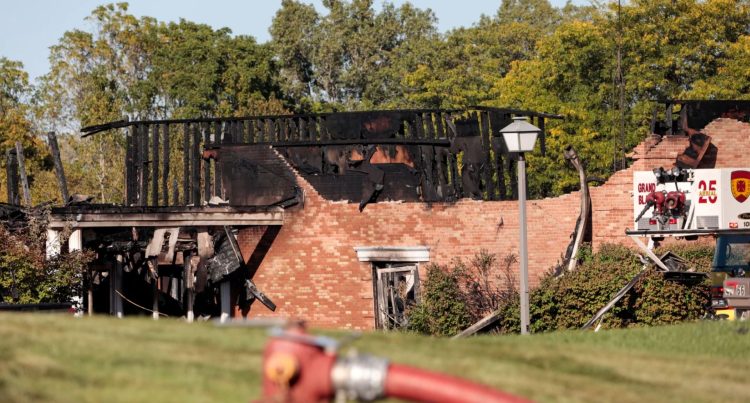
Why the numbers take time: gasoline fed the fire, and authorities recovered explosives associated with the suspect. Those facts slow everything—entry, recovery, identification. Bomb techs and fire crews had to make the scene safe before detectives could complete the sweep.
What this means for families: autopsies, hospital updates, and the worst kind of phone calls. Pastors will write eulogies; teachers will explain empty seats to children. The trauma doesn’t clock out—people who ran from smoke on Sunday will map the exits of every room they enter for a long time. That’s the quiet aftershock that no graphic can capture.
What to watch next (and when we can add ages): expect the medical examiner and police to release identities and ages, followed by hospital condition updates. When that happens, we’ll print a proper roll call with short, sourced bios—who they were in this congregation and this town. Until then, the most honest tribute is precision.
Who the Shooter Was—and the Question of Motive
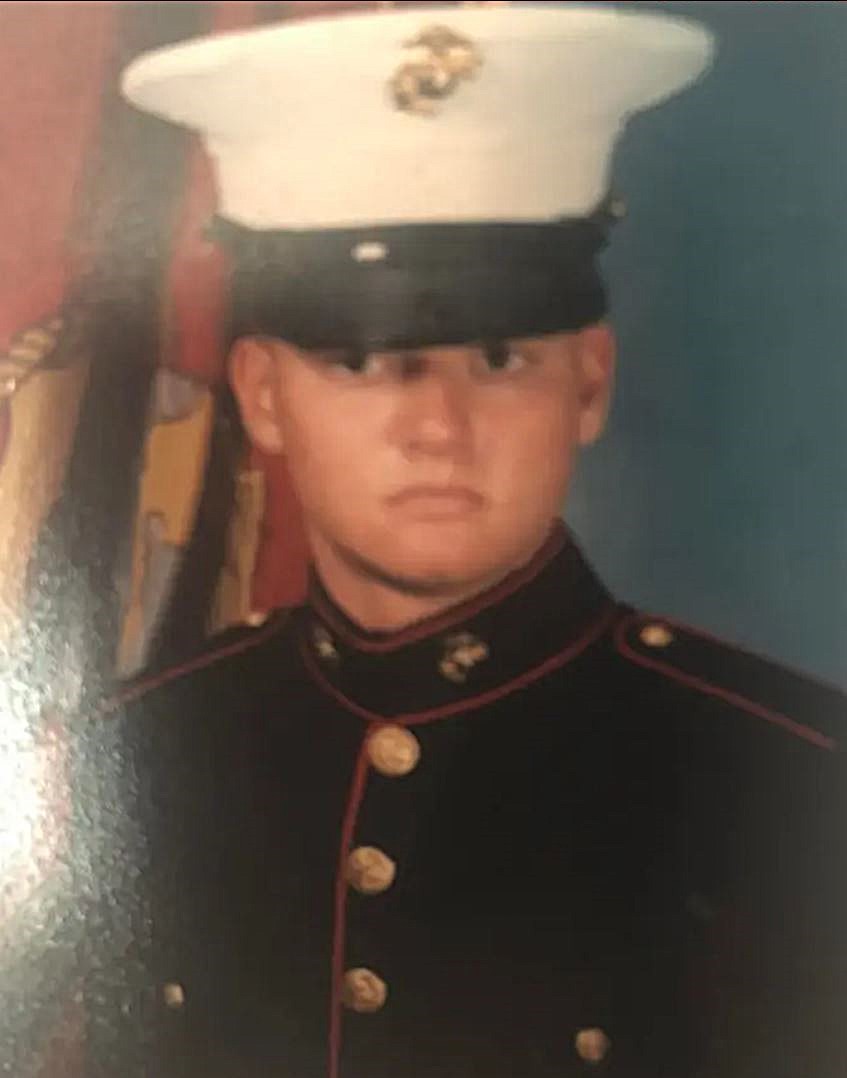
Police identified the attacker as Thomas Jacob Sanford, 40, of Burton, Michigan. Records show he served in the U.S. Marine Corps from 2004 to 2008 and deployed to Iraq. Investigators have not established a motive. The FBI, calling it an act of targeted violence, is pulling phone records, scraping social media, and working the suspect’s home for the kind of breadcrumbs that explain everything and nothing at the same time.
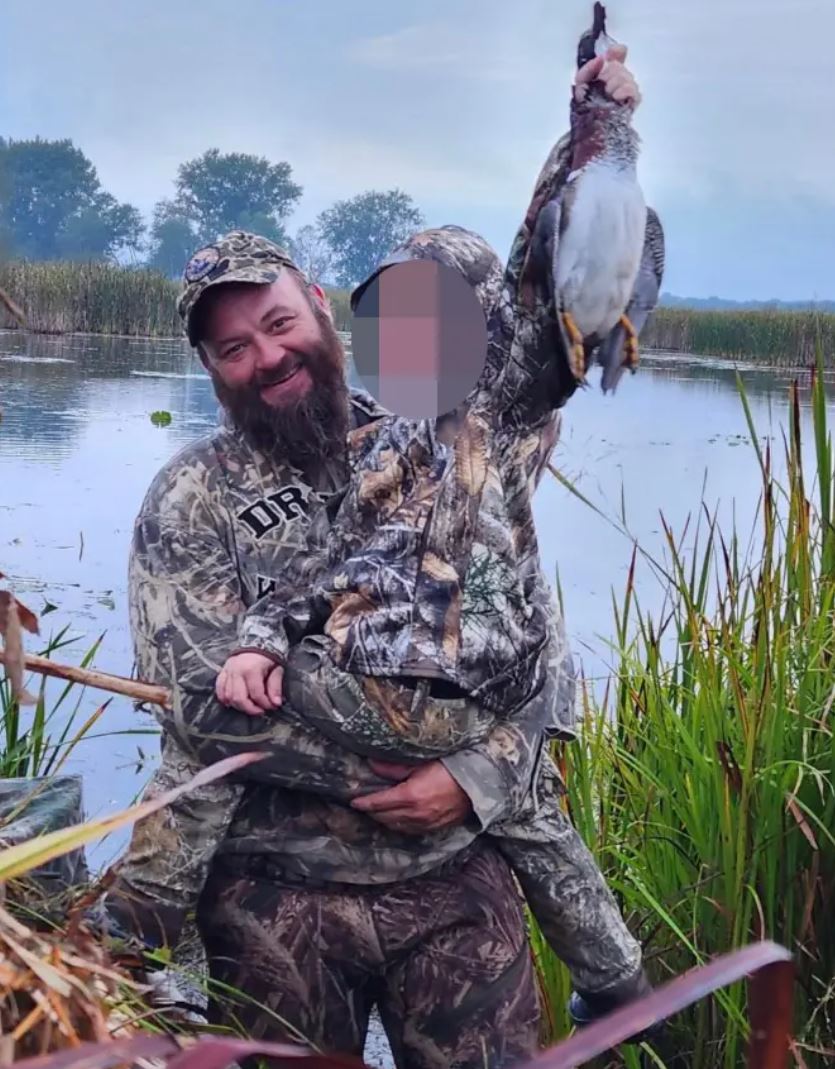
What Sanford Did, Exactly
Here’s the clearest minute-by-minute I can confirm about what Thomas Jacob Sanford did on Sept. 28, 2025, at the LDS church in Grand Blanc Township.
Times are local (ET) and rounded where officials gave ranges.
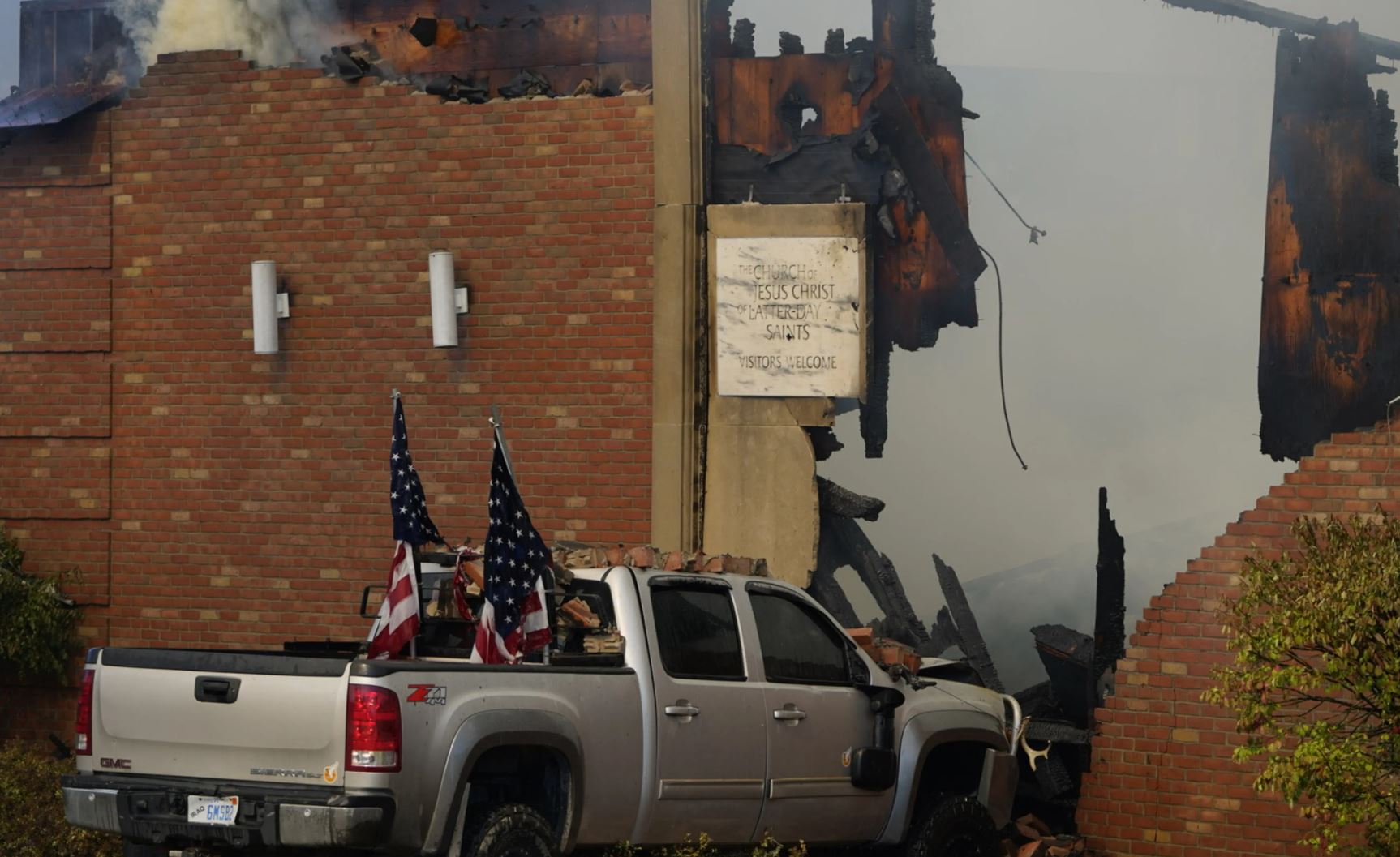
- ~10:25 a.m. — Sanford drives his vehicle through the church’s front doors, breaching the foyer during Sunday services.
- Seconds after impact — He gets out with a semi-automatic rifle and opens fire inside the building.
- Moments into the attack — He ignites an accelerant (believed to be gasoline), and the sanctuary begins burning while congregants flee.
- Within ~1 minute of the first 911 call, officers reach the scene and locate Sanford outside; by then, the church is fully engulfed.
- ~7–8 minutes after the attack begins — In the parking lot, Sanford exchanges gunfire with responding officers and is shot and killed. (Politico cites ~7 minutes; other outlets report ~8.)
- Post-neutralization (scene processing) — Investigators find multiple improvised explosive devices (IEDs) in Sanford’s vehicle parked at the church. WDIV’s on-scene reporting specifies three IEDs.
Soft Targets, Sunday Edition
Houses of worship are the classic soft target: open-door policy, predictable schedules, minimal screening, and a culture that prizes welcome over walls.
All of this makes them easier to be targeted by criminals or terrorists. These types of targets typically have high public accessibility, low security measures, and often involve large gatherings of people.
Examples of soft targets include schools, places of worship, shopping centers, hospitals, public transportation hubs, entertainment venues, markets, and public events.
Unlike hard targets, which are well-protected or fortified (such as military bases, government buildings, and airports), soft targets are accessible to the general public and usually lack sufficient physical barriers or security protocols to prevent attacks. This vulnerability makes them attractive for terrorist attacks, mass shootings, vehicle-ramming attacks, or other acts of violence aiming to cause mass casualties or disruption.
Efforts to secure soft targets focus on preventative measures, increasing security presence, surveillance, access control, and emergency preparedness to reduce their vulnerability. The Department of Homeland Security and other agencies work on developing strategies and technologies to protect these sites while balancing public accessibility.
The National Backdrop: Definition of Mass Shooting
When people say “mass shooting,” they’re often using the Gun Violence Archive definition: four or more people shot, injured, or killed, not including the shooter. By that standard, the U.S. had reached the 320-plus mark—around 324—for 2025 by this weekend, with the Grand Blanc attack counted among them. The figure shifts as incidents are reconciled, but the yardstick is consistent.
Aftermath and the Work Ahead
Michigan’s governor has, of course, condemned the attack; federal agents surged in to help local police sort casings from charcoal and track the rifle, the gas can, the truck, and help to develop the timeline.
The community will bury its dead while investigators turn the chaos into well-documented evidence.
The practical fixes—harder entrances, trained greeters, comms that don’t fail, medical kits where people can find them—won’t cure the disease, but they keep more people breathing when the worst arrives.
That’s the grim new arithmetic of a country that knows how crime scene tape sometimes redraws the borders of everyday life.








COMMENTS