Treat the cache as a warning: the files hand the PLA both hardware and the playbook for an airborne crack at Taiwan, and when instructors, BMD-4M infantry fighting vehicles, and Dalnolyot long range parachute drops begin to surface, the smoke will have turned into a line of fire.
Read the full article for more on:
Important insights and detailed analysis
Expert commentary on current events
Breaking developments and updates
Updating summary...
Leaked Documents Show Russia May Be Helping China Plan an Invasion of Taiwan
Guy D. McCardle
Speed
1x
Listen
COMMENTS
Treat the cache as a warning: the files hand the PLA both hardware and the playbook for an airborne crack at Taiwan, and when instructors, BMD-4M infantry fighting vehicles, and Dalnolyot long range parachute drops begin to surface, the smoke will have turned into a line of fire.
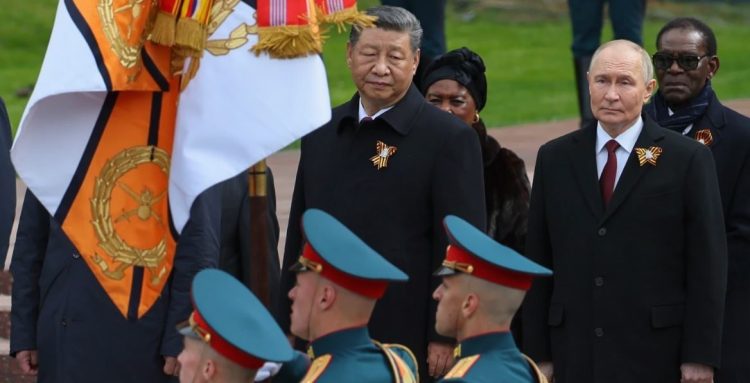
Posed for the cameras in practiced ceremonial calm, Xi and Putin give us a picture — but the real story, written in leaked contracts, training schedules and possibly crates of armored gear moving behind the curtains, should be read as a red warning, not a photo op. Image Credit: Associated Press
The leak that lit the fuse
A cache of roughly 800 pages of contracts and internal correspondence has surfaced online, and a respected British defense institute says the documents show Moscow is training and equipping a Chinese airborne battalion for fighting in Taiwan. Researchers at the Royal United Services Institute (RUSI) reviewed the material, along with independent verification from analysts in Kyiv. Multiple outlets have seen portions of the files and their assessments converge. Russia would train Chinese paratroopers and sell them specialized kit, building a ladder from theory to action for an air assault on Taiwan.
Advertisement
Russia is helping China to prepare for an invasion of Taiwan, particularly with an airborne attack. The authoritarian alliance is growing stronger and democracies must respond.https://t.co/Uoo0c8641Dpic.twitter.com/8YsDykZLjk
The paperwork points to a state-to-state package. On the Russian side, the defense industry and airborne community are the key actors. Production houses like Kurganmashzavod and Rubin would host training on vehicles and command systems. On the Chinese side, the People’s Liberation Army Airborne Corps is the intended recipient. The end state is a trained, equipped battalion that can insert by air, seize key nodes, and link up with follow-on forces. The analysis ties the effort to Beijing’s directive for the PLA to be ready for a Taiwan operation by 2027.
What the documents say
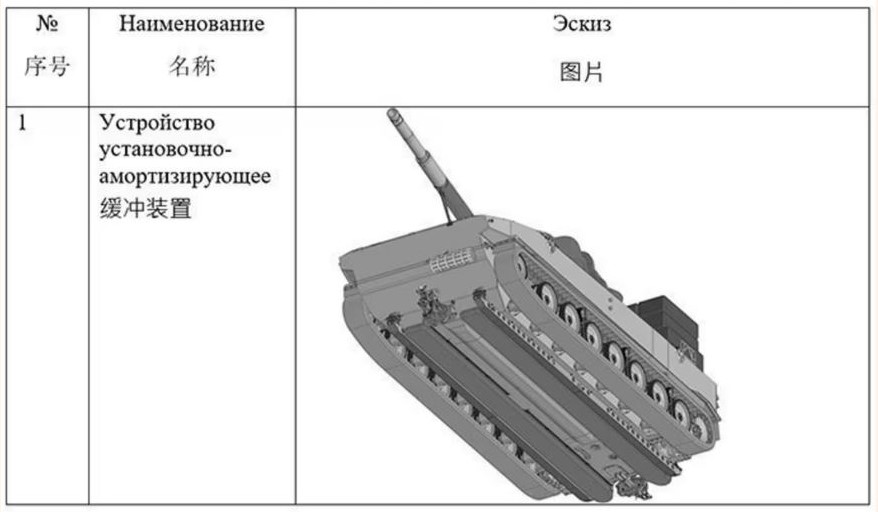
The leaked package outlines hardware, training, and doctrine transfer. Hardware first. Russia would provide light armored vehicles and anti-armor guns suitable for airdrop. Outlets that saw line items list BMD 4M infantry fighting vehicles and Sprut SDM1 125 mm guns, along with airborne command systems and troop carriers.Some reporting pegs the value higher than two hundred million dollars, and others place it near the mid hundreds, which suggests phased tranches or separate annexes.
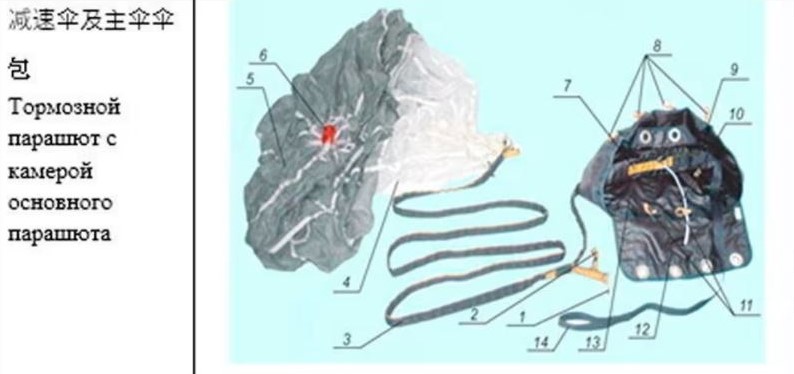
Training is the second pillar. Russian instructors would coach Chinese paratroopers in complex assault tactics, to include vehicle airdrops, battalion-level command and control, and infiltration techniques reminiscent of Russia’s Crimea playbook.The files also describe high altitude parachute systems for long range insertions, the kind of kit that can move small special forces teams onto airfields, ports, and communications hubs without early detection. Think of it like giving a locksmith the lock, the combination, and the instructions on how to silence the alarm.
Doctrine transfer is the third leg. The documents point to integration of Russian airborne command systems with Chinese units, plus train-the-trainer programs in both countries.This is about more than steel and parachute silk. It is about importing lessons from Russia’s combat record, flawed as it is, into a PLA airborne force that lacks real wartime experience.
Even imperfect experience can accelerate another military’s learning curve.
An armored fighting vehicle is part of the package. Image Credit: Financial Times
How it fits Beijing’s Taiwan problem set
If you want to crack an island’s defense, air maneuver creates options. The Russian package, as described, would give China a way to combine precision infiltration with armored punch at the point of contact. Seize an airfield or port. Roll out light armor. Open a door for heavier follow on forces. That is the logic implied in these files. Analysts warn that, if realized, this blend of training, kit, and doctrine could expand China’s offensive menu against Taiwan and nearby islands.
The files were posted by a hacktivist group known as Black Moon, according to several reports. The group’s motives are not spelled out in the documents. The pattern fits information operations aimed at exposing covert military deals and creating political friction between partners. Kyiv-based researchers who examined the data had access to the raw material, which strengthens the chain of custody in public reporting, though a full forensic attribution has not been published. The simplest explanation is also the most plausible. Russia’s sanctions squeeze and China’s support created a paper trail. Someone hostile to that unfortunate partnership found it and put it in the wild.
From the leaked documents, a braking parachute, designed to slow airspeed. Image Credit: Financial Times
What to watch next
Three markers will tell us if this is real momentum rather than a one-off flirtation. First, visible movement of Chinese airborne cadres to Russian training sites or Russian instructors to Chinese facilities. Second, procurement notices or imagery consistent with BMD family vehicles or Dalnolyot style parachute systems entering Chinese inventories. Third, PLA exercises that rehearse battalion-sized airfield seizures with armored follow-on. Once those three are in motion, the smoke isn’t smoke anymore — it’s a line of fire.
Bottom line
The leaked files sketch a ladder that runs from Russian factories and airborne schools to Chinese drop zones and Taiwanese targets. It is not proof that an invasion is imminent. It is proof that both capitals are building options, and options are what planners buy when they intend to keep pressure on.
For Taiwan and its partners, the counter is equally clear. Harden airfields, field mobile air defenses, seed decoys, and be ready to turn the first wave into scrap before the second leaves the runway.
Advertisement
What readers are saying
Generating a quick summary of the conversation...
This summary is AI-generated. AI can make mistakes and this summary is not a replacement for reading the comments.










COMMENTS