

Border Attempt and Pretrial Measures
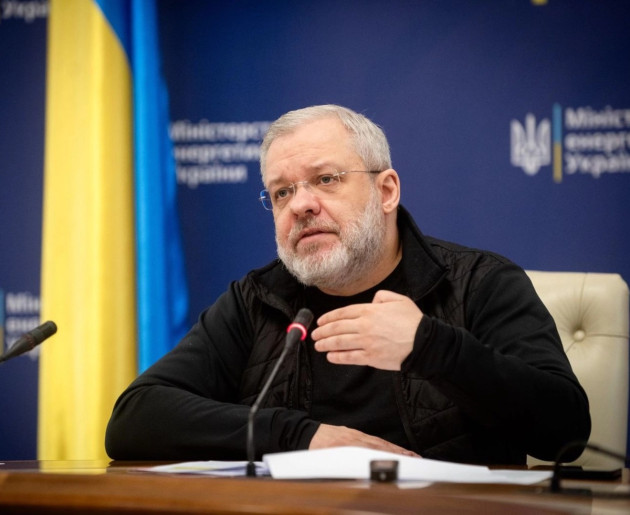
NABU detained Halushchenko while he attempted to leave the country. Ukrainian media reported that he sought to travel under an exemption available to fathers of large families, though authorities have not confirmed that detail.
Halushchenko will appear before Ukraine’s High Anti-Corruption Court, which will decide pretrial measures, including possible detention or bail. Judges typically weigh flight risk and the potential for interference with evidence when setting custodial restrictions.
Ukraine continues to enforce wartime restrictions that limit the departure of most adult men, with certain exemptions.
NABU’s Institutional Role
Ukraine established NABU in 2015 after the 2014 Maidan uprising as part of a broader anti-corruption reform package. Ukrainian lawmakers created the bureau in response to domestic reform demands and conditions tied to financial assistance from the International Monetary Fund and the European Union.
Western partners required Kyiv to build independent anti-corruption institutions capable of investigating senior officials and state enterprises. NABU operates independently of the Interior Ministry and works alongside the Specialized Anti-Corruption Prosecutor’s Office. The High Anti-Corruption Court, created in 2019, hears its cases.
Since Russia’s full-scale invasion in 2022, Ukraine has linked continued macro-financial support to governance reforms, including the independence and effectiveness of anti-corruption bodies.
Broader Implications
The detention of a former cabinet minister who oversaw the energy sector carries institutional weight. Energoatom remains central to national energy security and reconstruction planning. Western governments continue to tie financial support to measurable anti-corruption enforcement.
NABU continues investigative actions in the case. The High Anti-Corruption Court is expected to rule on pretrial measures in the coming days.

US Forces Board Venezuela-Linked Tanker in Indian Ocean After Blocking Sanctions-Evading Ships
US military forces have boarded another oil tanker in the Indian Ocean that fled a US-imposed blockade on sanctioned vessels linked to Venezuela, according to the Pentagon.
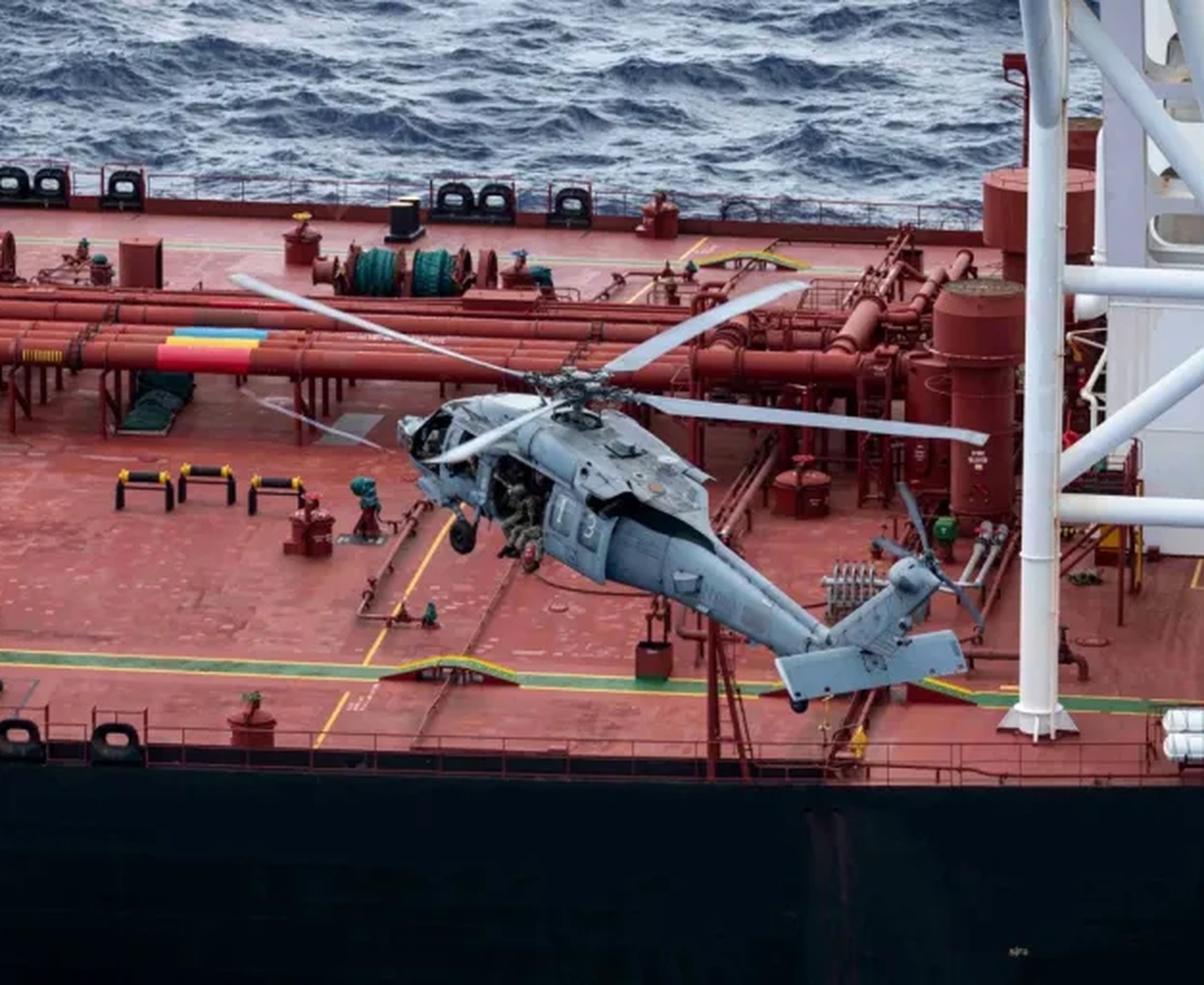
The Pentagon said forces intercepted the Panamanian-flagged Veronica III after tracking it from the Caribbean Sea, where it had allegedly violated a quarantine on tankers carrying Venezuelan crude and fuel oil imposed by the Trump administration in December 2025. US officials said their forces closed with the vessel and conducted a boarding operation without reported resistance.
The Veronica III, previously sanctioned for transporting Venezuelan, Russian and Iranian oil, left Venezuelan waters on January 3 carrying roughly 2 million barrels of crude and fuel products, according to shipping-tracking data cited by media. It is the second such tanker boarded in the Indian Ocean in recent days, following a similar operation against the Aquila II, which US forces intercepted after a prolonged pursuit.
The U.S. Department of Defense announced this morning that forces under the United States Indo-Pacific Command (INDOPACOM) carried out a right-of-visit, maritime interdiction and boarding on the Panamanian-flagged crude oil tanker M/T VERONICA III in the Indian Ocean early this… pic.twitter.com/PmchyFc2R5
— OSINTdefender (@sentdefender) February 15, 2026
Blockade Enforcement and Maritime Strategy
The interdictions are part of an expanded US enforcement campaign designed to isolate Venezuela’s oil exports and enforce sanctions against vessels engaged in what Washington describes as illicit crude transport. The blockade was announced in December by the Trump administration as part of broader measures targeting the Venezuelan state and its “shadow fleet,” a network of tankers that evade sanctions by disabling transponders and altering registries.
Pentagon officials have emphasized that tracking and boarding sanctioned vessels is not limited by distance, asserting that international waters do not provide sanctuary for sanctions evasion. The social-media post by Defense Department accounts included imagery of US forces boarding the tanker via helicopter and ship-borne teams.
The broader campaign has seen at least nine Venezuela-linked tankers seized or intercepted so far, with the Aquila II and Veronica III among the latest. US Defense Secretary Pete Hegseth stated that these operations aim to uphold maritime sanctions and disrupt the transport of sanctioned crude even far from the Caribbean.
Strategic and Legal Implications
The extended pursuit of sanctioned vessels into the Indian Ocean underscores the global scope of the US pressure campaign on Caracas’s oil sector, a key source of revenue for the Venezuelan government. Critics of the blockade, including Caracas and its diplomatic allies, have characterized these actions as extraterritorial and legally contentious, while US officials maintain they are enforcing sanctions lawfully and with international intent.
Follow-on legal and diplomatic actions regarding the seized tankers are expected as Washington determines how to adjudicate ownership, cargo disposition, and compliance with US and international maritime law.








COMMENTS