North Korea launched its second satellite into orbit on February 7, 2016, amid international condemnation and concerns that the launch is a cover for ballistic missile testing. The launch follows North Korea's recent nuclear bomb claim, prompting heightened military readiness in neighboring countries.
Key points from this article:
The satellite launch occurred just a month after North Korea claimed to have tested a nuclear bomb, raising alarms among international observers.
How the launch affects regional security is significant, as Japan has deployed Patriot PAC-3 rocket units and South Korea is considering the THAAD system to counter potential threats.
Why this matters is underscored by the emergency UN Security Council meeting called to discuss actions against North Korea, highlighting the global concern over its missile capabilities and defiance of international resolutions.
Updating summary...
North Korean Rocket Launch Provokes its Neighbors and UN Security Council
Desiree Huitt
Speed
1x
Listen
COMMENTS
North Korea rocket launch has many questioning whether this is a practice run for future nuclear attacks.
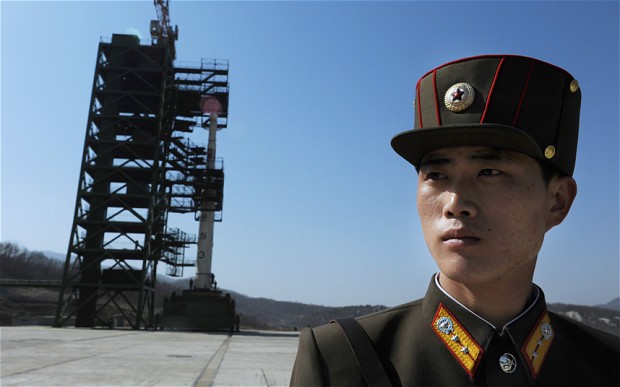
North Korea launched a second satellite into orbit at 00:30 UTC on Sunday Feb. 7, 2016. The first satellite, Kwangmyongsong 3-2, was launched by North Korea in December 2012 but most experts believe that the original satellite was not functioning. It will be several days until the newly launched satellite is determined to be fully functional. North Korea claims that the controversial rocket launch was a satellite used for geo-spatial viewing operations only. However, its neighbors believe that the rocket launch is a front for testing for ballistic missiles. The satellite launch comes just a month after North Korea claimed to have successfully tested a nuclear bomb. “The Unha rocket used to launch North Korea’s last satellite is believed to be based upon the Taepodong long-range ballistic missile, which has an estimated range of around 5,600 miles (9,000 km).” (Ralph Ellis, 2016)
Advertisement
The U.S., South Korea, Japan, China, Russia and France have all condemned the launch and call it a provocation and a violation of UN Security council resolutions. Secretary of State Kerry stated,”This is the second time in just over a month that the DPRK has chosen to conduct a major provocation, threatening not only the security of the Korean peninsula, but that of the region and the United States as well.”
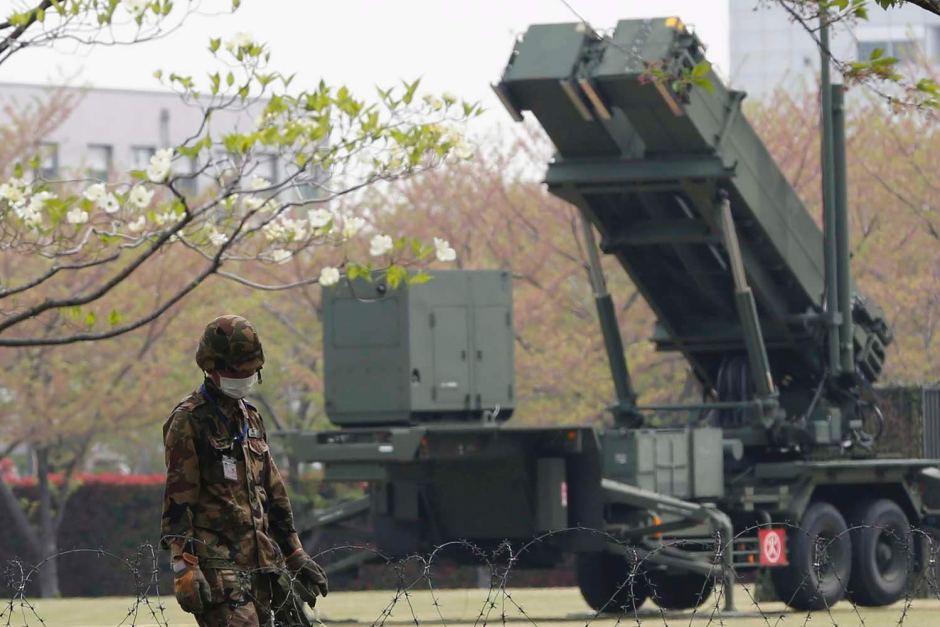
Patriot PAC-3 rocket units in downtown Tokyo
Japan has already set up land-based Patriot PAC-3 rocket units in downtown Tokyo and strategically placed Aegis ballistic missile defense warships of the Maritime Self-Defense Force on Wednesday ahead of the North Korean rocket launch. South Korea is considering deploying Terminal High Altitude Area Defense system (THAAD) to counter any future rocket launches.
An emergency UN Security council meeting is being held Feb. 7, 2016 11:00 EST in New York to discuss possible future actions against North Korea. The UN Security council could consider putting more international pressure on China as it has ignored sanction requests in the past.
Advertisement
References:
Ralph Ellis, K. K. (2016, Feb 7). U.S., other nations condemn North Korean launch of long-range rocket. Retrieved Feb 7, 2016, from CNN: http://www.cnn.com/2016/02/06/asia/north-korea-rocket-launch-window/
Advertisement
Starr, B. (2016, Jan 29). First on CNN: North Korea may have tested components of a hydrogen bomb. Retrieved FEB 7, 2016, from CNN: http://www.cnn.com/2016/01/28/politics/north-korea-hydrogen-bomb-test/index.html
Mie, R. Y. (2016, Feb 3). Tokyo orders SDF to shoot down North Korean missile if threat to Japan. Retrieved Feb 7, 2016, from The Japan Times: http://www.japantimes.co.jp/news/2016/02/03/national/anger-sanctions-threats-greet-north-korea-rocket-launch-plans/#.VrdRzMdBLiA
North Korea launched a second satellite into orbit at 00:30 UTC on Sunday Feb. 7, 2016. The first satellite, Kwangmyongsong 3-2, was launched by North Korea in December 2012 but most experts believe that the original satellite was not functioning. It will be several days until the newly launched satellite is determined to be fully functional. North Korea claims that the controversial rocket launch was a satellite used for geo-spatial viewing operations only. However, its neighbors believe that the rocket launch is a front for testing for ballistic missiles. The satellite launch comes just a month after North Korea claimed to have successfully tested a nuclear bomb. “The Unha rocket used to launch North Korea’s last satellite is believed to be based upon the Taepodong long-range ballistic missile, which has an estimated range of around 5,600 miles (9,000 km).” (Ralph Ellis, 2016)
The U.S., South Korea, Japan, China, Russia and France have all condemned the launch and call it a provocation and a violation of UN Security council resolutions. Secretary of State Kerry stated,”This is the second time in just over a month that the DPRK has chosen to conduct a major provocation, threatening not only the security of the Korean peninsula, but that of the region and the United States as well.”
Patriot PAC-3 rocket units in downtown Tokyo
Japan has already set up land-based Patriot PAC-3 rocket units in downtown Tokyo and strategically placed Aegis ballistic missile defense warships of the Maritime Self-Defense Force on Wednesday ahead of the North Korean rocket launch. South Korea is considering deploying Terminal High Altitude Area Defense system (THAAD) to counter any future rocket launches.
An emergency UN Security council meeting is being held Feb. 7, 2016 11:00 EST in New York to discuss possible future actions against North Korea. The UN Security council could consider putting more international pressure on China as it has ignored sanction requests in the past.
References:
Ralph Ellis, K. K. (2016, Feb 7). U.S., other nations condemn North Korean launch of long-range rocket. Retrieved Feb 7, 2016, from CNN: http://www.cnn.com/2016/02/06/asia/north-korea-rocket-launch-window/
Starr, B. (2016, Jan 29). First on CNN: North Korea may have tested components of a hydrogen bomb. Retrieved FEB 7, 2016, from CNN: http://www.cnn.com/2016/01/28/politics/north-korea-hydrogen-bomb-test/index.html
Mie, R. Y. (2016, Feb 3). Tokyo orders SDF to shoot down North Korean missile if threat to Japan. Retrieved Feb 7, 2016, from The Japan Times: http://www.japantimes.co.jp/news/2016/02/03/national/anger-sanctions-threats-greet-north-korea-rocket-launch-plans/#.VrdRzMdBLiA
Image Credits- The Telegraph, ABC.net
Advertisement
What readers are saying
Generating a quick summary of the conversation...
This summary is AI-generated. AI can make mistakes and this summary is not a replacement for reading the comments.









COMMENTS