


To give you a sense of how this testimonial model works, think about driving to a dealership to talk to a salesman about buying a new truck. You spot a Dodge Ram you think is pretty cool and, of course, the salesman tells you that it’s the best truck on the market. You’re not convinced, so the salesman pulls out a testimonial written by another guy that sells the same truck that agrees: it is, in fact, the best truck on the market.
Now imagine if you asked to see EPA fuel ratings, or crash test ratings from the National Highway Traffic Safety Administration… and the salesman said they didn’t have any of those, but he’d be happy to let you read plenty of non-official statements made by other salesman about its fuel economy or standards for safety. He’d warn you, of course, that the company isn’t liable for the claims they make, but you can trust them – because they’re from other customers just like you.
And you’re not a liar, right? Perfect, because you don’t have to make this month’s payment on that new truck, as long as you sell four more trucks to your friends.
If you sat back and thought about it, you’d never imagine that your friend from high school that delivers pizzas part time has a better understanding of human biology than the doctors and nutritionists peddling ideas like “eating healthy and getting exercise” rather slapping stickers on their faces and taking “premium lifestyle capsules,” but when that message window pops up on the bottom right hand corner of your screen from an old friend, that’s not the mindset you’re in. You exchange pleasantries, catch up a bit, and then she asks if you know about “ketones and ketosis,” before launching into a “science” lesson that culminates in one heck of a deal she’s prepared to offer you, since you’re friends and all.
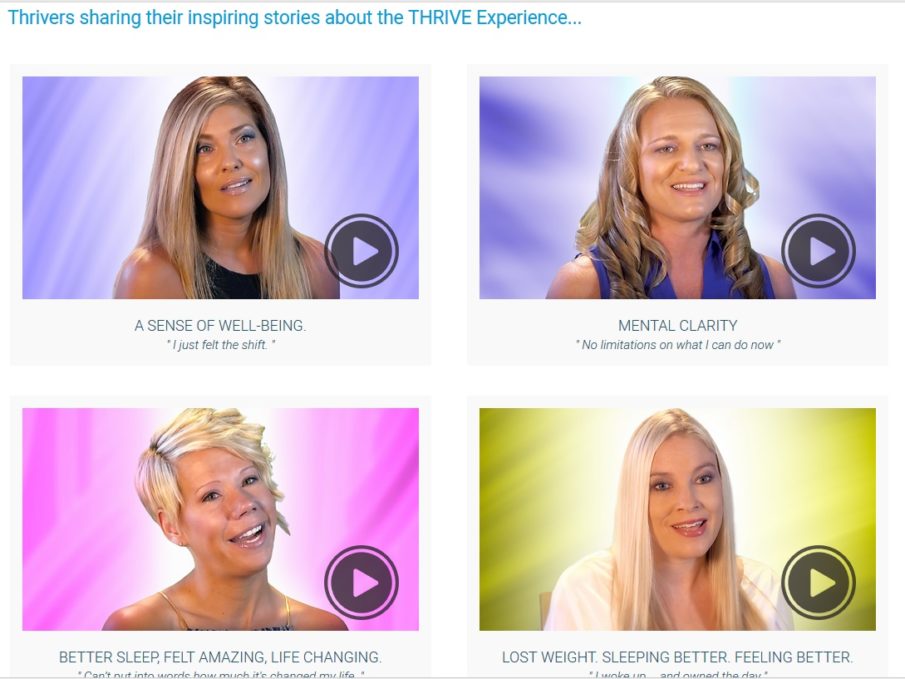
I’m not saying that person is bad. In fact, chances are good that he or she believes what they’re telling you, because it was sold to them in the same manner and they were convinced enough to sign up, fork over hundreds of dollars, and learn the program so they could start selling “premium lifestyle systems” themselves. It doesn’t mean they’re stupid either – it just means these multi-level marketing companies are really, really good at selling people the idea of making fitness easy – and as we’ve discussed time and time again in these columns – anything that promises to take the work out of working out is lying to you.
I’m not telling you that every product sold by Thrive or similar brands doesn’t work – you’ll probably get the same success rate out their products as you would find in the supplement section of your local drug store, but then, that’s why I would never recommend buying a supplement from one of those places without looking into third party laboratory testing either. What I will say, without equivocation, is that you should not trust the testimonials of people invested in the success of a brand, you shouldn’t trust the beliefs of your friends about health and fitness over science, and you should always be hesitant about a company that devotes more energy into convincing you to sell their product than they devote to convincing you to use it.
When I was working as a trainer, I’d always tell people that there are two potential ways a new supplement can improve your fitness or workout game. The first is the intended and desired effect: the supplement does what it claims it’ll do (which is a surprisingly uncommon occurrence in the supplement industry). The second, and perhaps just as effective way a new supplement can benefit you is psychological: you feel stronger or healthier, you know you spent a hundred dollars on these pills so you work your ass off to get your money’s worth out of them. You’re motivated to work harder because you made an investment in the process. That effect, though not biological, is extremely effective. You paid money to help you work out, so you’d better believe you’re going to work.
If you’re not careful, however, you might find yourself misconstruing the former with the latter, and before you know it, you genuinely believe this bottle of cornflower that says “Testosterone Muscle Builder X” on the label got you to where you are, rather than the work you put in because you were invested in getting results. I’ve argued before that results are results, and sometimes, fooling yourself is worth the price at the register, but my tolerance for that mindset wains when it comes to trying to sell that illusion to others.
You may love the products you receive from whatever “inverse funnel system” supplement company you’ve got stockpiled in your garage. You might even be one of those people driving your brand new car, paid for by the brand (and the hundreds of friends and coworkers you’ve convinced to sign up to spend hundreds of dollars per month)… and if so, I applaud your commitment and audacity. It takes stones to sell your mom weight loss stickers.
You may even think the jury is still out when it comes to programs like these, so I’ll leave you with the wisdom of the Federal Trade Commission’s take on multi-level marketing programs, and let you decide for yourself.
Many companies that market their products through distributors sell quality items at competitive prices. But some offer goods that are overpriced, have questionable merits, or are downright unsafe to use.
Apply a healthy dose of skepticism before buying or selling products advertised as having ‘miracle’ ingredients or guaranteed results. Many of these ‘quick cures’ are unproven, fraudulently marketed, and useless. In fact, they could be dangerous. You may want to check with a health professional before using them — or selling them.”
Feature image courtesy of the author








COMMENTS