Pin-up art did not start in WWII, but the war turned it into a morale weapon. From magazine centerfolds to bomber noses, these images reminded troops what “home” looked like, gave crews unit identity, and rode shotgun as lucky charms. The women in the pictures and the women painting them were part o
Read the full article for more on:
Important insights and detailed analysis
Expert commentary on current events
Breaking developments and updates
Updating summary...
Portable Morale: How Pin-Ups Went to War
Galen Fries
Speed
1x
Listen
COMMENTS
Pin-up art did not start in WWII, but the war turned it into a morale weapon. From magazine centerfolds to bomber noses, these images reminded troops what “home” looked like, gave crews unit identity, and rode shotgun as lucky charms. The women in the pictures and the women painting them were part of the wartime machine.
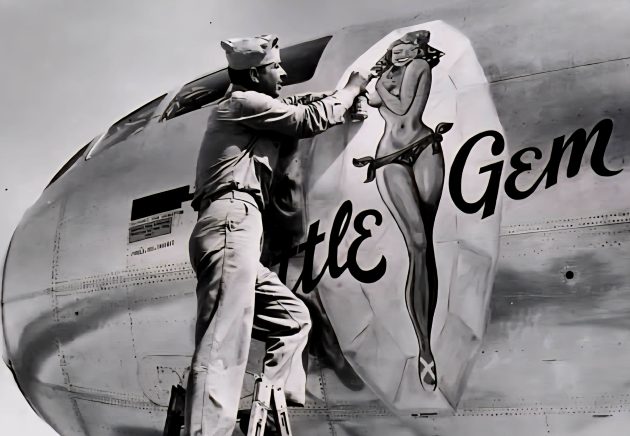
Artist painting nose art on the
B-29 Superfortress "Little Gem." Image Credit: Airplanes Online
Before a single B-17 taxied with a painted blonde on the nose, America already had a pin-up culture. Late 1800s and early 1900s illustrators sold an idealized “girl next door, but better” for calendars and ads. By the 1920s and ’30s, commercial art went full-throttle. Magazines wanted color, humor, and a little spice that could sit on the coffee table without grandma throwing a shoe. Artists drew women in playful trouble. Skirts caught by wind, swim straps slipping, roller skates going sideways. Flirty, not filthy.
Advertisement
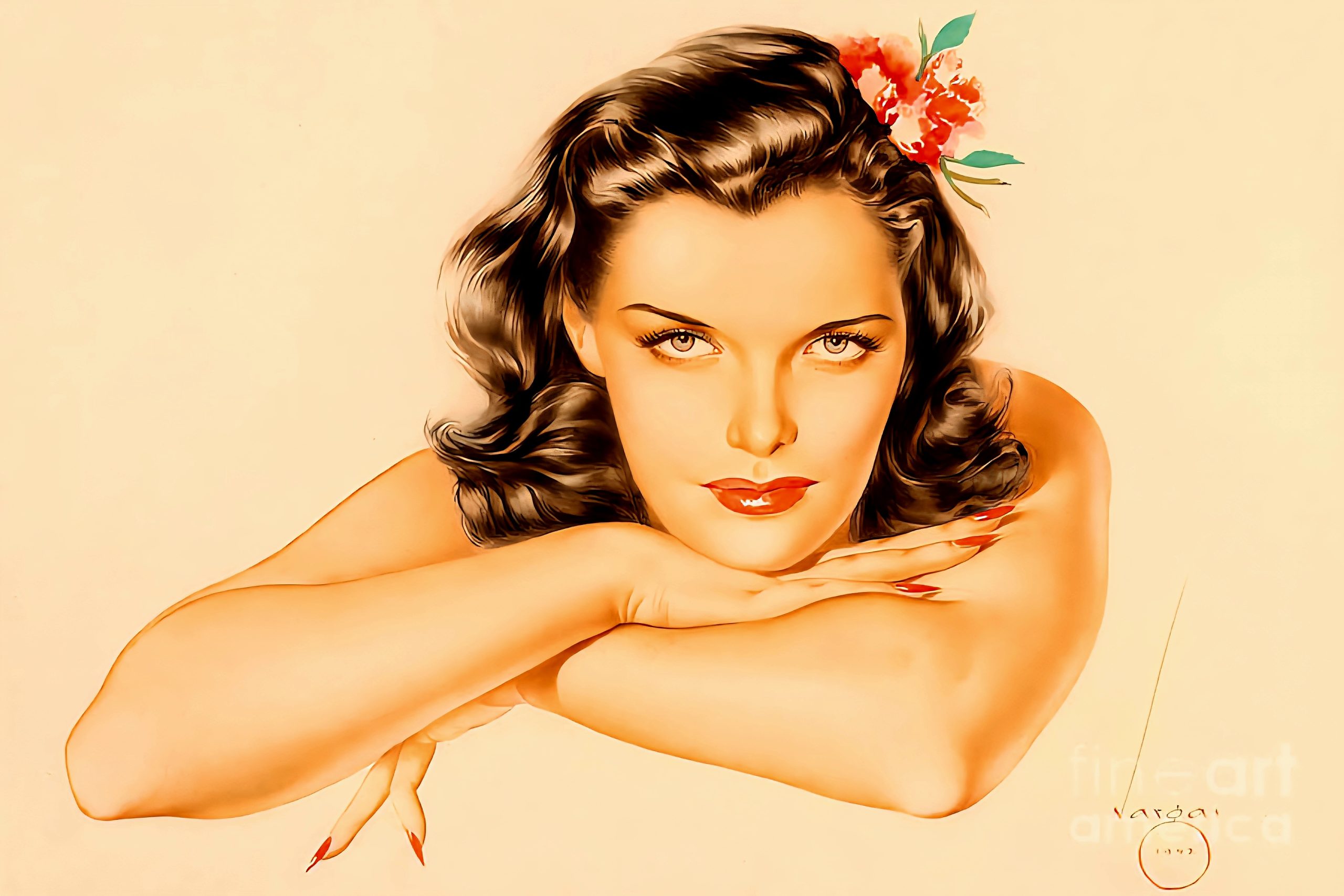
Portrait of Jane Russell, 1942. Image Credit: Alberto Vargas
Two big names set the style. George Petty’s “Petty Girls” in Esquire were long-legged, clean-lined, and basically built for barracks walls. Alberto Vargas followed with softer, more elegant “Vargas Girls” that looked like they stepped out of a dream and into your wall locker. By the time WWII kicked off, pin-ups were already a normal part of troop life. The war just issued them in bulk.
Once the U.S. mobilized, millions of young men lived far from home, soaked in stress, boredom, and the far too often “don’t even know if we’re coming home” mission. They needed reminders of normal life and something that wasn’t olive drab. Pin-ups filled that gap. Yank, the Army Weekly, ran centerfolds aimed straight at morale. These were not all movie stars. Many were dancers, athletes, or models who got famous because a GI stapled their photo to plywood in a tent outside Cambridge at Bassingbourn.
Advertisement
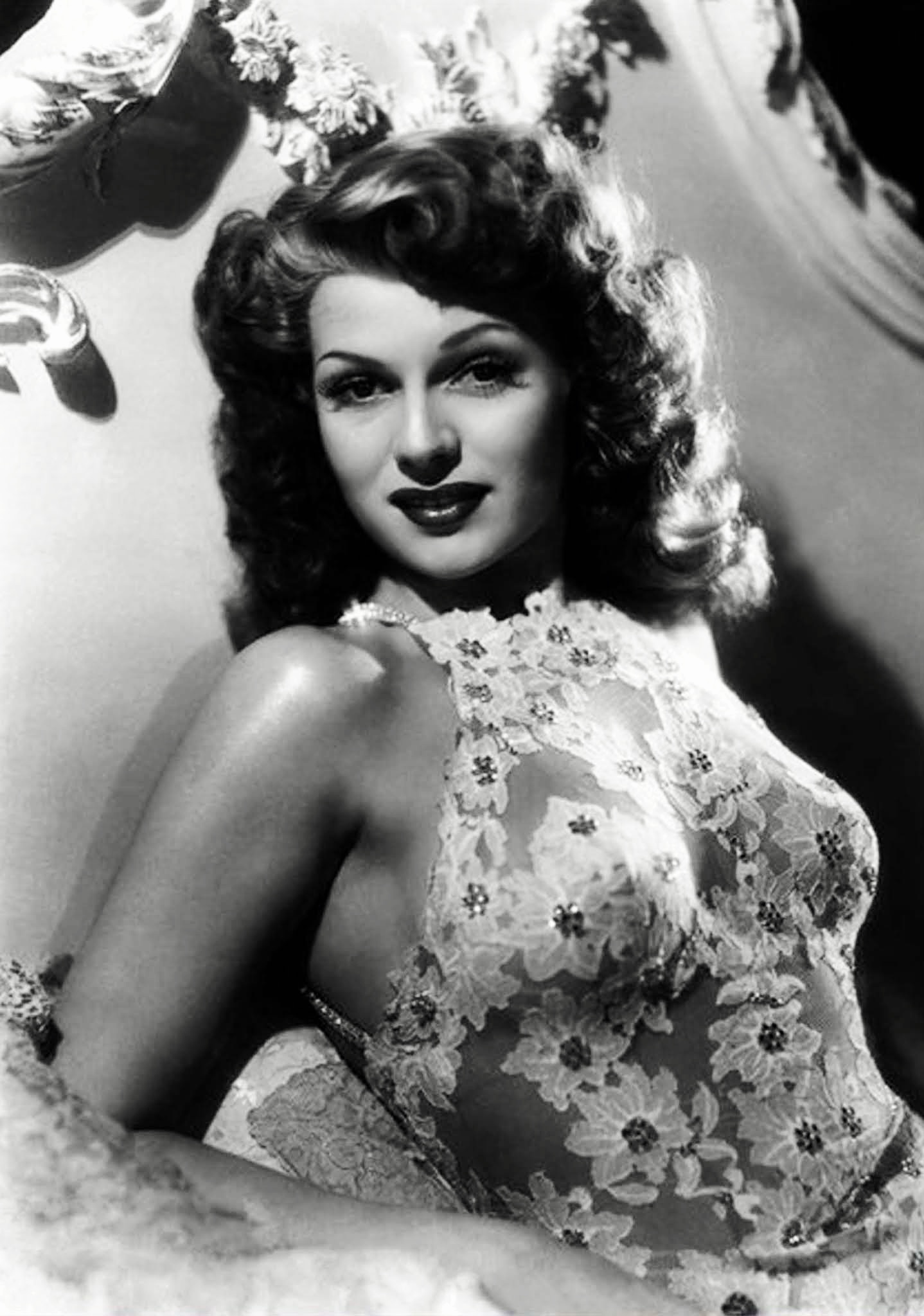
Rita Hayworth’s 1941 photo shoot. Image Credit: Life Magazine
The celebrities still ruled the hill. Betty Grable’s swimsuit shot became standard gear in WWII pop culture. Rita Hayworth’s 1941 pin-up got printed in huge numbers and traveled in duffels, footlockers, and cockpits. If you want to understand how pin-ups worked, picture a 19-year-old tail gunner taping a photo inside his bunk the way you hang a family picture on deployment. Same function, different uniform.
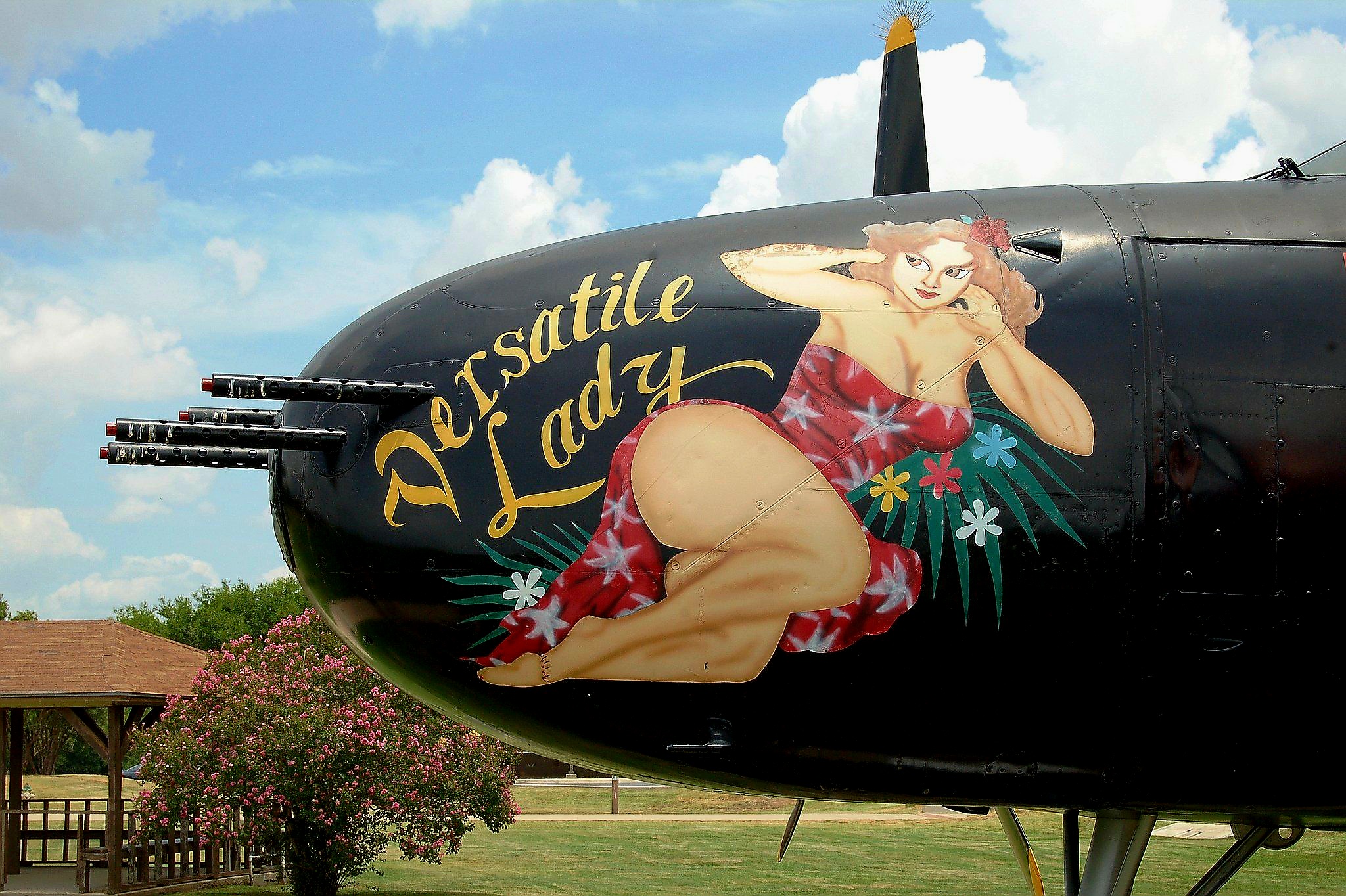
The A-26 Invader (B-26 between 1948-1965) was a twin-engined light attack bomber, built by the Douglas Aircraft Co. “Versatile Lady” USAF History and Traditions Museum, Lackland AFB, Texas
Then aviation crews took it one step further. Nose art grew out of the same soil. Airmen had painted symbols and mascots since WWI, but WWII made it a full-blown tradition. Crews wanted their aircraft to feel like a team member, not a factory product with a serial number. A painted pin-up gave a plane a name, a personality, and a little swagger. It also worked as a lucky charm. Aircrews were superstitious for the same reason infantrymen are. When your survival rides on machinery and weather, you hedge every bet you can.
Advertisement
Most nose girls came straight out of Esquire and other pin-up mags. Crews copied Vargas or Petty by hand, then adjusted the pose to fit the aircraft’s curves. Some versions looked like a pro did them. Others looked like a private with two cups of coffee and one artistic felony. Still counted.
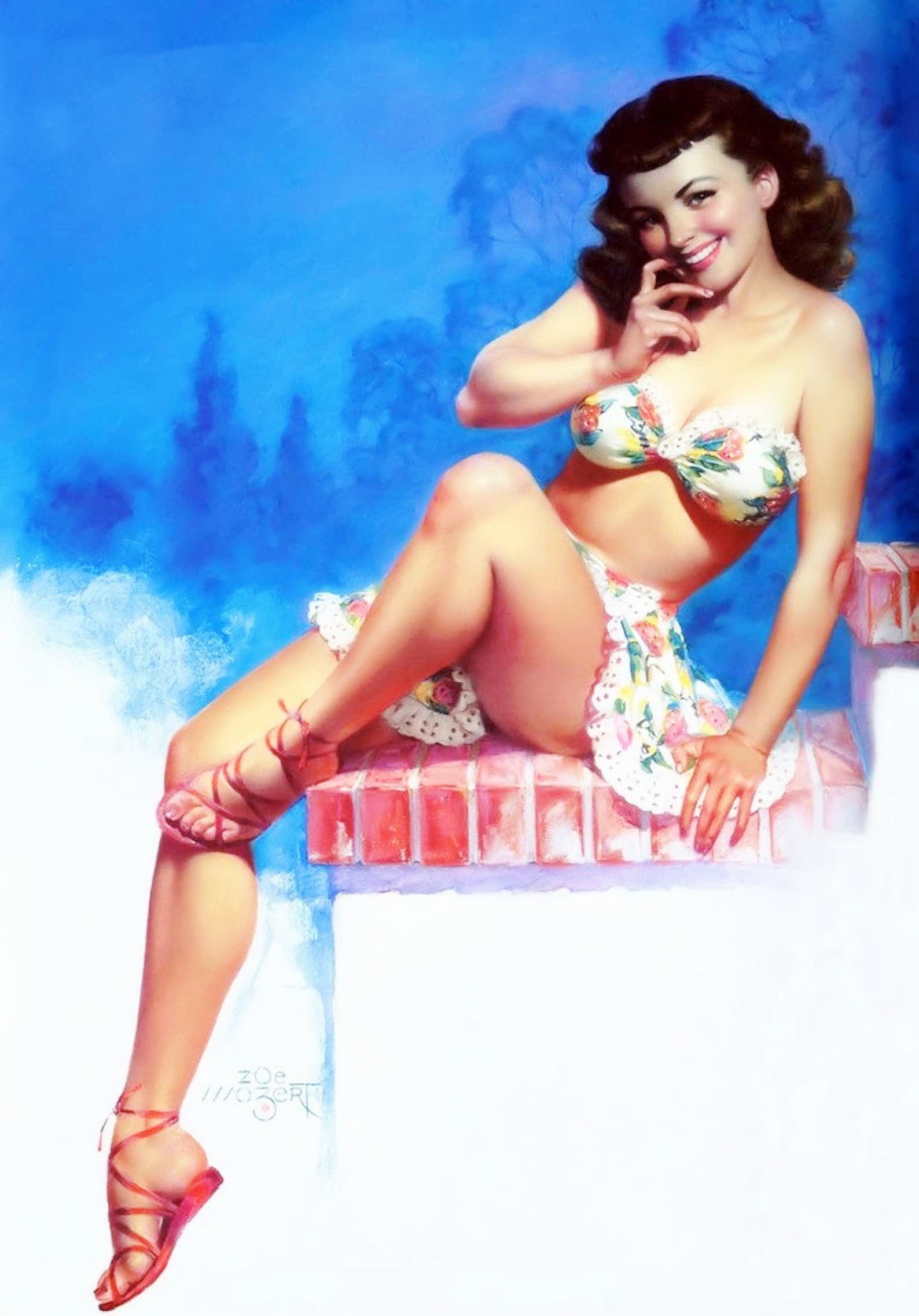
Pin-up art: Image Credit: Zoë Mozert
The “girls of WWII” were more than the famous faces. They were also the working models who never knew their photos circled the globe, and the women artists who painted the icons. Zoë Mozert, Pearl Frush, and Joyce Ballantyne all produced major pin-up work during the era, shaping the look of wartime America from behind the easel.
And here is the thing: while troops pinned up fantasy girls, real women forged ships, flew support aircraft, nursed the wounded, and ran factories. The country sold two images at once: the brave worker and the dreamy morale booster. Both were real parts of the war effort.
Advertisement
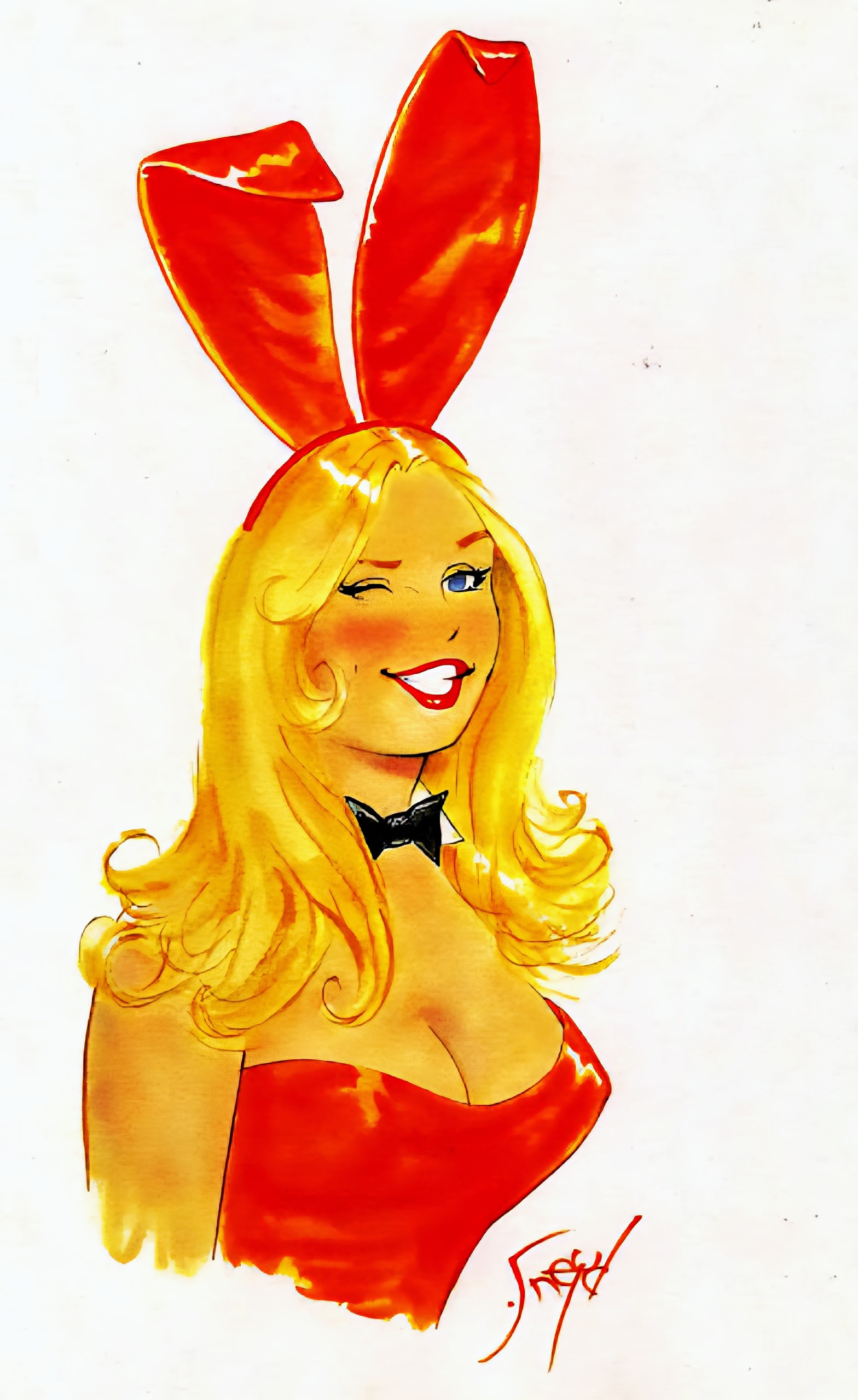
Playboy cartoon art. Image: Doug Sneyd
After 1945, pin-up art did not vanish. It shifted into 1950s calendars, Playboy culture, tattoo flash, and modern retro style. WWII nose art stuck around as legend because it captured something official histories do not. A war machine still needs a human heartbeat. Sometimes that heartbeat came in red lipstick painted on aluminum, riding into flak with a crew who wanted one more reason to come home.
Before a single B-17 taxied with a painted blonde on the nose, America already had a pin-up culture. Late 1800s and early 1900s illustrators sold an idealized “girl next door, but better” for calendars and ads. By the 1920s and ’30s, commercial art went full-throttle. Magazines wanted color, humor, and a little spice that could sit on the coffee table without grandma throwing a shoe. Artists drew women in playful trouble. Skirts caught by wind, swim straps slipping, roller skates going sideways. Flirty, not filthy.
Portrait of Jane Russell, 1942. Image Credit: Alberto Vargas
Two big names set the style. George Petty’s “Petty Girls” in Esquire were long-legged, clean-lined, and basically built for barracks walls. Alberto Vargas followed with softer, more elegant “Vargas Girls” that looked like they stepped out of a dream and into your wall locker. By the time WWII kicked off, pin-ups were already a normal part of troop life. The war just issued them in bulk.
Once the U.S. mobilized, millions of young men lived far from home, soaked in stress, boredom, and the far too often “don’t even know if we’re coming home” mission. They needed reminders of normal life and something that wasn’t olive drab. Pin-ups filled that gap. Yank, the Army Weekly, ran centerfolds aimed straight at morale. These were not all movie stars. Many were dancers, athletes, or models who got famous because a GI stapled their photo to plywood in a tent outside Cambridge at Bassingbourn.
Rita Hayworth’s 1941 photo shoot. Image Credit: Life Magazine
The celebrities still ruled the hill. Betty Grable’s swimsuit shot became standard gear in WWII pop culture. Rita Hayworth’s 1941 pin-up got printed in huge numbers and traveled in duffels, footlockers, and cockpits. If you want to understand how pin-ups worked, picture a 19-year-old tail gunner taping a photo inside his bunk the way you hang a family picture on deployment. Same function, different uniform.
The A-26 Invader (B-26 between 1948-1965) was a twin-engined light attack bomber, built by the Douglas Aircraft Co. “Versatile Lady” USAF History and Traditions Museum, Lackland AFB, Texas
Then aviation crews took it one step further. Nose art grew out of the same soil. Airmen had painted symbols and mascots since WWI, but WWII made it a full-blown tradition. Crews wanted their aircraft to feel like a team member, not a factory product with a serial number. A painted pin-up gave a plane a name, a personality, and a little swagger. It also worked as a lucky charm. Aircrews were superstitious for the same reason infantrymen are. When your survival rides on machinery and weather, you hedge every bet you can.
Most nose girls came straight out of Esquire and other pin-up mags. Crews copied Vargas or Petty by hand, then adjusted the pose to fit the aircraft’s curves. Some versions looked like a pro did them. Others looked like a private with two cups of coffee and one artistic felony. Still counted.
Pin-up art: Image Credit: Zoë Mozert
The “girls of WWII” were more than the famous faces. They were also the working models who never knew their photos circled the globe, and the women artists who painted the icons. Zoë Mozert, Pearl Frush, and Joyce Ballantyne all produced major pin-up work during the era, shaping the look of wartime America from behind the easel.
And here is the thing: while troops pinned up fantasy girls, real women forged ships, flew support aircraft, nursed the wounded, and ran factories. The country sold two images at once: the brave worker and the dreamy morale booster. Both were real parts of the war effort.
Playboy cartoon art. Image: Doug Sneyd
After 1945, pin-up art did not vanish. It shifted into 1950s calendars, Playboy culture, tattoo flash, and modern retro style. WWII nose art stuck around as legend because it captured something official histories do not. A war machine still needs a human heartbeat. Sometimes that heartbeat came in red lipstick painted on aluminum, riding into flak with a crew who wanted one more reason to come home.
—
** Editor’s Note: Thinking about subscribing to SOFREP? You can support Veteran Journalism & do it now for only $1 for your first year. Pull the trigger on this amazing offer HERE. – GDM
Advertisement
What readers are saying
Generating a quick summary of the conversation...
This summary is AI-generated. AI can make mistakes and this summary is not a replacement for reading the comments.










COMMENTS