Project 100,000, initiated in 1966 under Secretary of Defense Robert McNamara, lowered military enlistment standards to meet Vietnam War troop demands, resulting in a disproportionate number of underqualified recruits facing severe consequences. This program ultimately led to higher mortality rates and adverse life outcomes for these soldiers, highlighting the dangers of compromising standards in military recruitment.
Key points from this article:
The program allowed about 320,000 men, primarily from poor and undereducated backgrounds, to enlist in the military during the Vietnam War despite having cognitive limitations.
How Project 100,000 soldiers faced significantly higher mortality rates in Vietnam, dying at roughly three times the rate of other U.S. troops, and returned home with worse socioeconomic outcomes.
Why the legacy of Project 100,000 serves as a cautionary tale about the dangers of lowering standards in military recruitment, disproportionately affecting those least equipped to handle the consequences.
Updating summary...
Project 100,000: When Lowered Standards Became a Death Sentence
Galen Fries
Speed
1x
Listen
Project 100,000 lowered enlistment standards during Vietnam, pulling in vulnerable recruits and sending many into high-risk jobs where the human cost showed up in higher deaths and worse outcomes after the war.
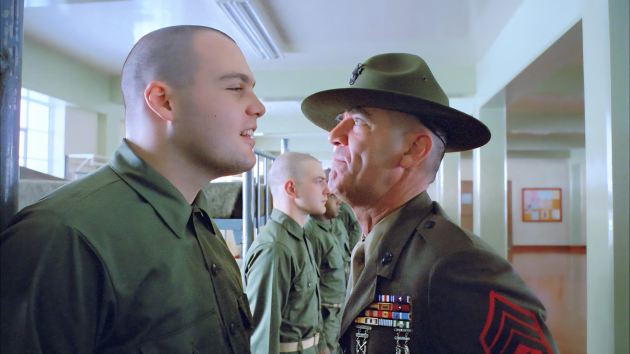
It’s clear that Sergeant Hartman is not a fan of new recruit Pyle from the beginning. Image Credit: Open Source
“You’re so ugly you could be a modern art masterpiece. What’s your name, fat body?”
Advertisement
Every veteran recognizes that voice. The drill instructor is applying pressure. Breaking people down fast because the system does not have time to go slow. In Full Metal Jacket, Private Pyle absorbs that abuse because he cannot keep up. He is overweight, confused, and overwhelmed by a machine built for people who can adapt quickly under stress.
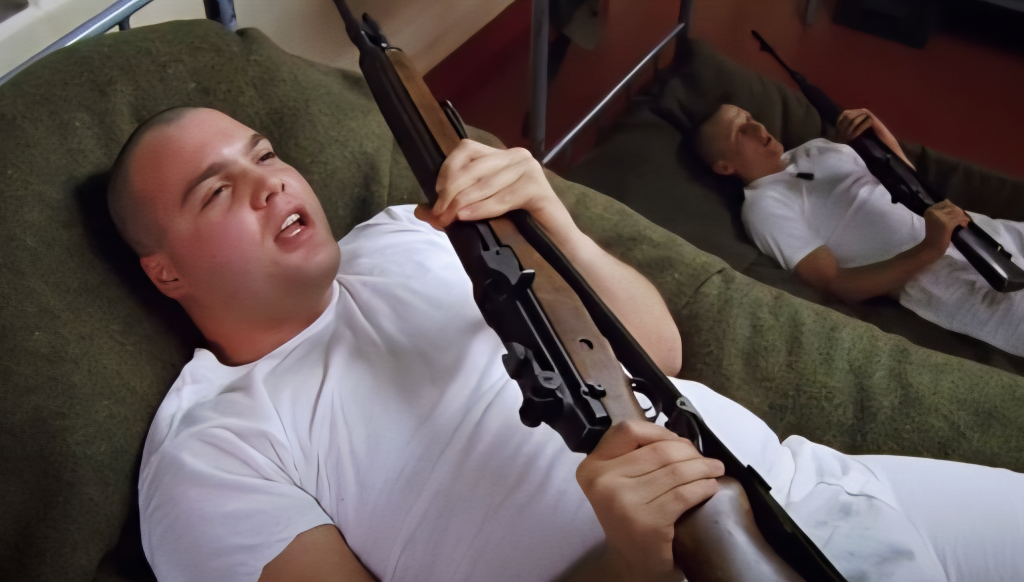
This is my rifle. There are many others like it, but this one is mine. My rifle is my best friend. It is my life. I must master it as I must master my life. Without me, my rifle is useless. Without my rifle, I am useless.” Image Credit: YouTube
Pyle was fiction. The policy that created men like him was not.
Project 100,000 was a manpower decision made in Washington that played out in jungles, rice paddies, and body bags.
Advertisement
Launched in October 1966 under Secretary of Defense Robert McNamara, Project 100,000 lowered enlistment standards to meet rising troop demands for the Vietnam War. The Armed Forces Qualification Test cutoff dropped from roughly the 31st percentile to around the 10th percentile.
That change alone opened the door to about 100,000 additional accessions per year.
Between 1966 and 1971, roughly 320,000 to 350,000 men entered the force under the program. About two-thirds went into the Army, with the rest divided among the Marines, Navy, and Air Force. These recruits overwhelmingly came from poor and undereducated backgrounds. Many had cognitive limitations that previously disqualified them from service.
Advertisement
Publicly, McNamara framed the program as social uplift. These recruits were labeled “New Standards Men,” with promises of job training, discipline, and upward mobility. In practice, they were trained and assigned like everyone else. Infantry. Combat support. High-risk roles where mistakes carried immediate consequences.
Drill instructors did not adjust. Combat units did not slow down. War did not make allowances.
Historical analyses show Project 100,000 soldiers died in Vietnam at roughly three times the rate of other U.S. troops. Those who survived often returned home worse off than before they enlisted. Lower income. Higher unemployment. Higher divorce rates. Fewer educational gains than comparable civilians who never served.
Advertisement
The program ended in December 1971 as U.S. troop levels dropped and the draft wound down. It faded out without accountability. The senior leaders who designed it moved on. The men who lived it carried the consequences for the rest of their lives.
Project 100,000 stands as a warning written in blood. When leadership solves manpower problems by lowering standards, the cost does not land evenly across the force. It concentrates at the bottom, among those least equipped to survive bad decisions.
Private Pyle was a character meant to unsettle audiences. Project 100,000 did the same thing to a generation of young men, without a script and without a second take.
Advertisement
What readers are saying
Generating a quick summary of the conversation...
This summary is AI-generated. AI can make mistakes and this summary is not a replacement for reading the comments.

What readers are saying
Generating a quick summary of the conversation...
This summary is AI-generated. AI can make mistakes and this summary is not a replacement for reading the comments.