

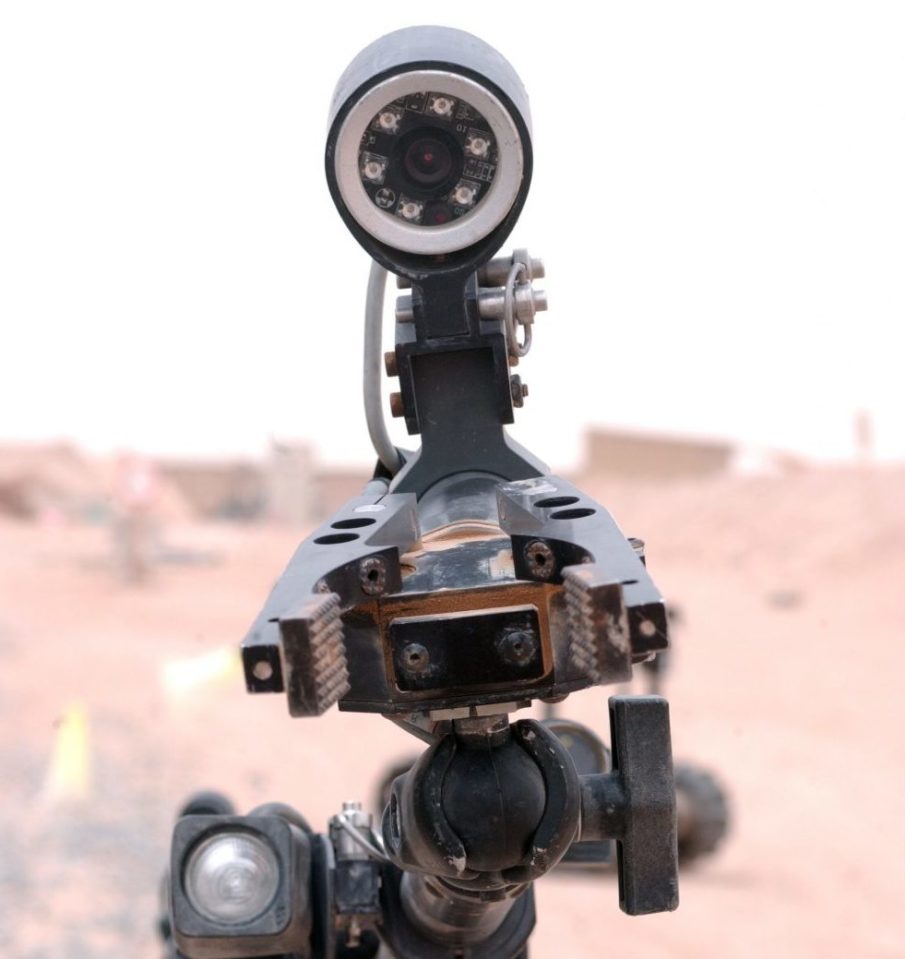
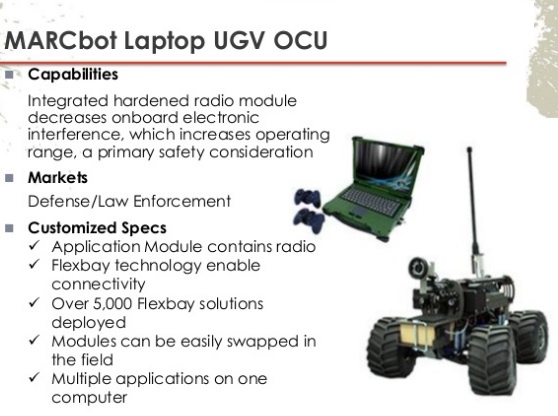
Robots dismantling bombs, robots planting bombs… what next? Robots that make robots, which make bombs?
The new Samsung C4, and R2FU.
Dwaine Caraway, former interim Mayor of Dallas stated,
The perp asked for a cell phone, and that the cell phone was used to expire him.
Taking down Domestic Terrorists
This attack is the very definition of domestic terror. As stated by, U.S. Code § 2331 (5), the term “domestic terrorism” means activities that—
(A) involve acts dangerous to human life that are a violation of the criminal laws of the United States or of any State;
(B) appear to be intended—
(i) to intimidate or coerce a civilian population;
(ii) to influence the policy of a government by intimidation or coercion; or
(iii) to affect the conduct of a government by mass destruction, assassination, or kidnapping; and
(C) occur primarily within the territorial jurisdiction of the United States.
The domestic terrorist was holed up inside the high ground of downtown Dallas, El Centro College parking garage for several hours, where police exchanged fire with the suspect and attempted hours of negotiations – before police moved to deploy the MARCbot, lethally, and blast him out with an improvised explosive device.


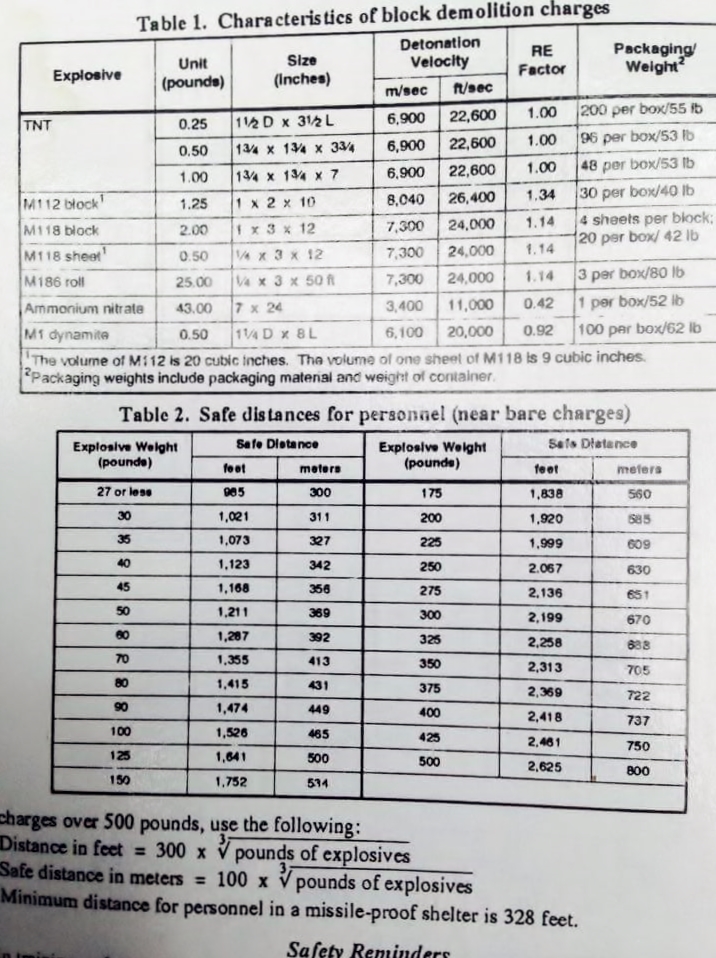
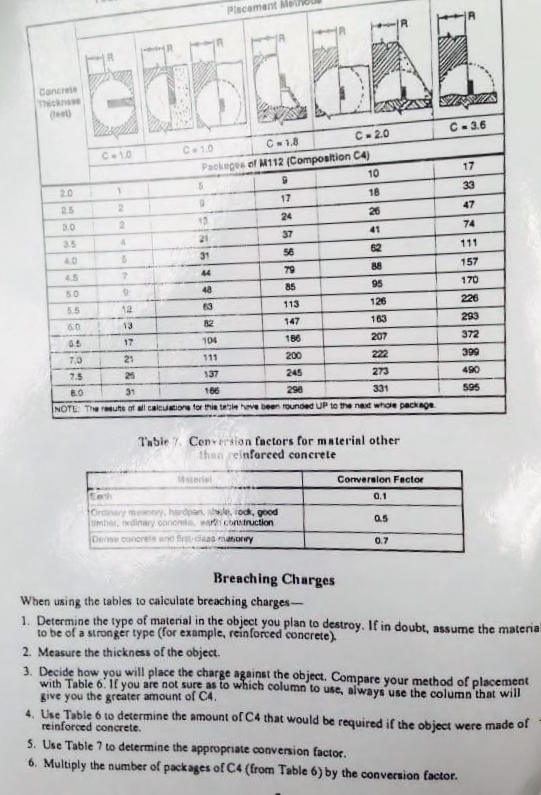
The Dallas Bomb Disposal Unit improvised an explosive device, which composed of a cell-phone and Composition B, or C4. A move I would have personally suggested if I was on the scene – this was the smart call.
Units in Law Enforcement, Fire, and the Military have used and regularly use robot deployed explosives to keep engineers and technicians of harm’s way. They use stocked explosives, such as C4 that are most commonly used to neutralize other explosive threats via the robot.
C-4 is a malleable explosive, much like playdough and can be molded for purposes and is made up of explosives, a plastic binder, and a plasticizer to create its special purpose form. C-4 is one of the most stable explosives available and can only be detonated through the combination of heat and pressure, such as a blasting cap, knotted detonation cord, or other explosive(s).
A blasting cap is only limited to the imagination of the engineer behind the explosive device. A device I would have put together for the Dallas situation is similar to that seen in the movie, Law Abiding Citizen.
Although, my device would have had more kick; just as well, I’m certain the device used to target the Dallas domestic terrorist also boasted a larger punch than the Hollywood perspective.
The explosive device created by Dallas bomb technicians was placed within the positive control of the robot and driven to the domestic terrorist for delivery — it’s not clear if the device was remotely detonated or victim-operated, such as seen in the video above.
The MARCbot offers many options, depending on the affixed attachment – although it’s unlikely the domestic terrorists would have allowed the MARCbot to approach if it was armed. Some robots that are used in a bomb disposal capacity are optionally armed, with a 50-caliber variant short-barreled rifle, or 12-gauge shotgun. These weapons fire a sand or water payload at the explosive device in an ugly method of device mitigation – typically used to disrupt the mechanical components supporting device initiation.
Trigger Pullers are not Always the Best Choice,
Law Enforcement, specifically, Special Weapons and Tactics (SWAT) situations call for a safer way to mitigate hostile threats, which does not unnecessarily endanger the lives of officers. Situations that involve barricaded suspects or suspects behind doors that SWAT teams are required to breach.
Robots, such as the MARCbot provide a new and safer option, the robot can go in as opposed to endangering a team. Through the robot, Law Enforcement can give a suspect a chance to surrender, and if the suspect does not, a situational escalation of force can be followed. To either attempt to disarm or render the suspect disabled through lasers, gas, or sounds – or in the worse case scenario, kill the suspect.
Robots can also be used to open doors, deliver audio and video feeds from inside dangerous standoff situations, set off a debilitating device, such as flashbangs, tear gas or peacefully mitigate a situation by allowing Law Enforcement a means to communicate with a hostile suspect.
A History of Remote Controlled Violence,
First, we all know about the obvious factor – drones. So let’s not beat a dead horse.
The key point on this fear of, ‘The Rise of the Machines,’ is that this and all current robots are under human control. MARCbots and similar bots are not autonomous.
In fact, remote-controlled robots have an extensive history, which started with Goliath Bombs, the remote-controlled demolition vehicles used by Nazi-Germany during World War Two.
American and Coalition soldiers in Afghanistan and Iraq have used robots in a similar capacity to the Dallas Police Department, to deliver explosives on target in precarious situations.
In recent years, other Law Enforcement agencies have used their robots for more than the classical, bomb disposal fashion. In 2015, the San Jose Police Department used one such robot to deter a man from committing suicide, and delivered a phone and a pizza to the armed man as Law Enforcement officials negotiated an end to his standoff.
Explosives were used in 1985, when the Philadelphia Police Department used a robot armed with a bomb to end a dangerous standoff with an Anarcho-primitivism, Communalism, Environmentalism ‘Black Power’ cell, MOVE.
In 1993, Prince George’s County Police Department used a robot, armed with a water cannon to disarm a suspect.
Albuquerque SWAT, used a robot to deploy tear gas to force out an armed suspect who had barricaded himself inside of a motel room, in 2014.
What is the Limit?
Robots have increasingly become part of the emergency response norm, and for good reason— to save lives. From explosive device interrogation, building collapses, hostile suspects, chemical spills, natural disaster relief, and so on. The use of robot over man to diffuse an armed and hostile situation is the natural next step, and it’s surprising that this has not happened more often.
What would have been the public reaction had the Dallas Police Department traditionally engaged the domestic terrorist, or lost more officers in the exchange to stop him?
Jay Stanley, policy analyst with the American Civil Liberties Union stated,
Because ground robots may allow deadly force to be applied more safely and easily, they raise the danger that they will be overused. Remote uses of force raise policy issues that should be carefully considered and addressed by our society as technology advances and should remain confined to extraordinary situations.
Yet, we may only need to concern ourselves as citizens when robots are used in the daily acts of policing, such as traffic stops, or patrolling drones with non-lethal weapons over U.S. cities.
Americans will have to eventually concern themselves with how safe and in control of the robots are Law Enforcement. We live in a world where nearly everything is digital and vulnerable – recently thieves have been stealing new model cars that are susceptible to hacking. This will bring into question; the security of the line of communication between the robot and operator.
For now, the MARCbot and its contemporaries are nowhere near to the technology behind a Tesla self-driving car. Even so, as new technology arises, we will need to establish new boundaries and escalation of force procedures.
Featured Image – DVIDS








COMMENTS