

While this incident caused significant damage, there were no reported significant injuries, which is a positive outcome considering the inherent risks of aviation operations.
Nevertheless, as of the end of September, the Navy has reported a total of 10 Class A aviation mishaps, an apparent decrease from the 16 incidents reported in fiscal year 2022. The data from the Naval Safety Center includes both manned and drone aviation platforms, and the trend over the past two years suggests a decline in the frequency of such mishaps compared to the peak in 2014 with 17 incidents.
F-16A and its Role in Adversarial Combat Training
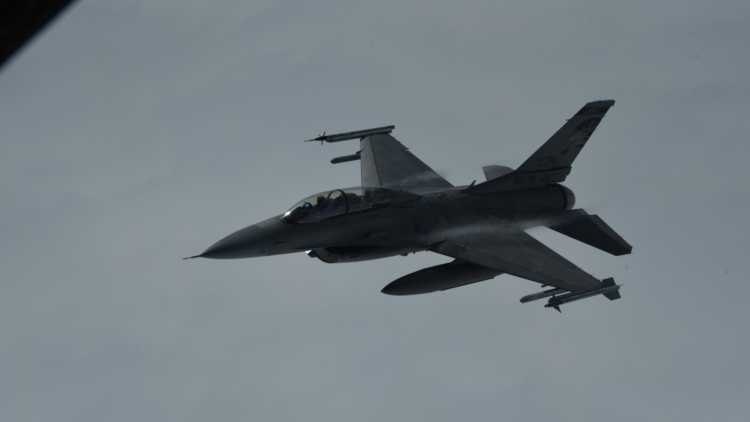
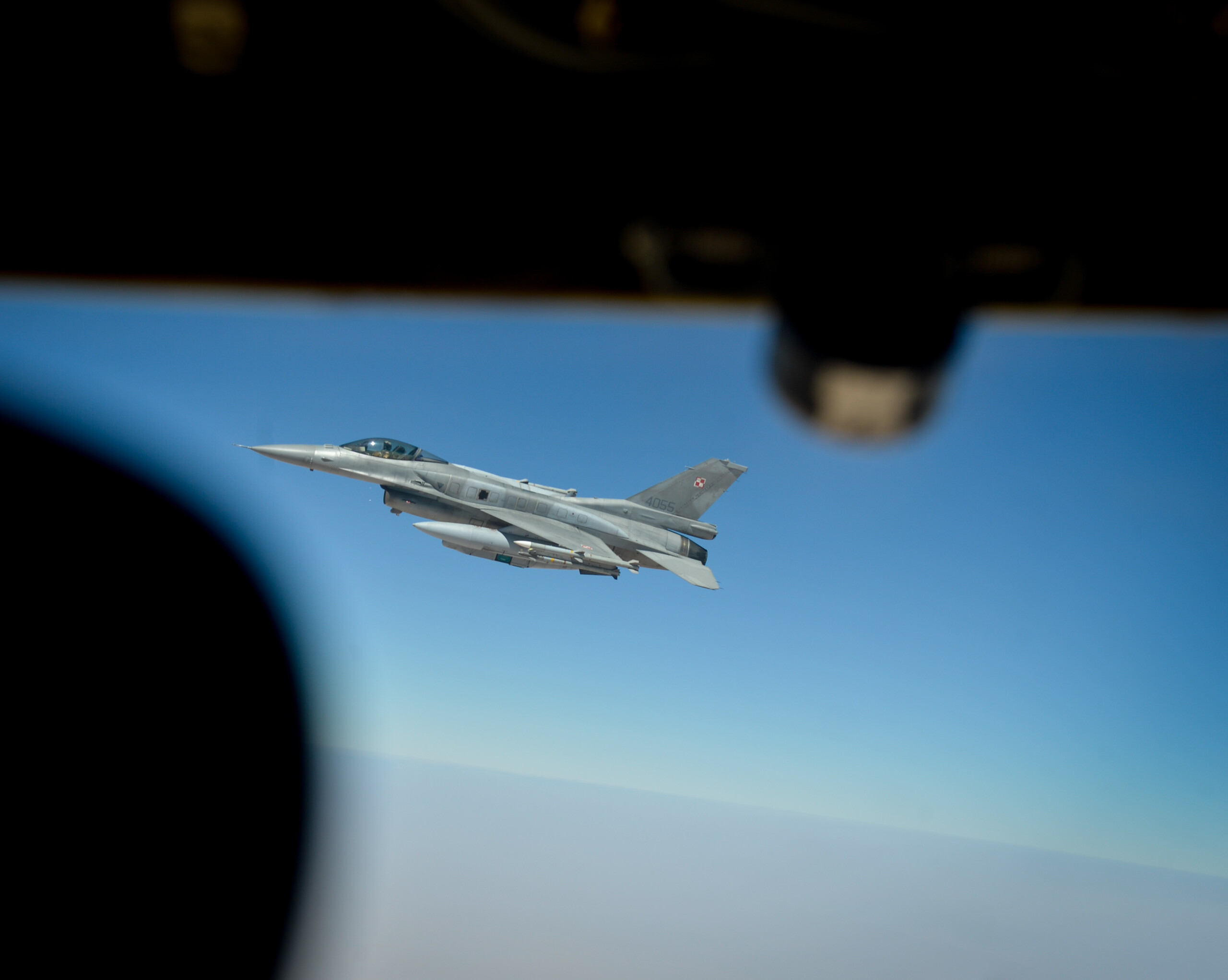
The F-16A Fighting Falcon, a versatile and agile aircraft, typically serves as an adversary during aviation combat training.
As part of this role, it mimics the tactics and maneuvers of potential adversaries, providing realistic scenarios for pilots undergoing training.
The US Navy, however, has not confirmed to the news report whether the F-16A involved in the recent incident was indeed serving in this adversarial capacity.
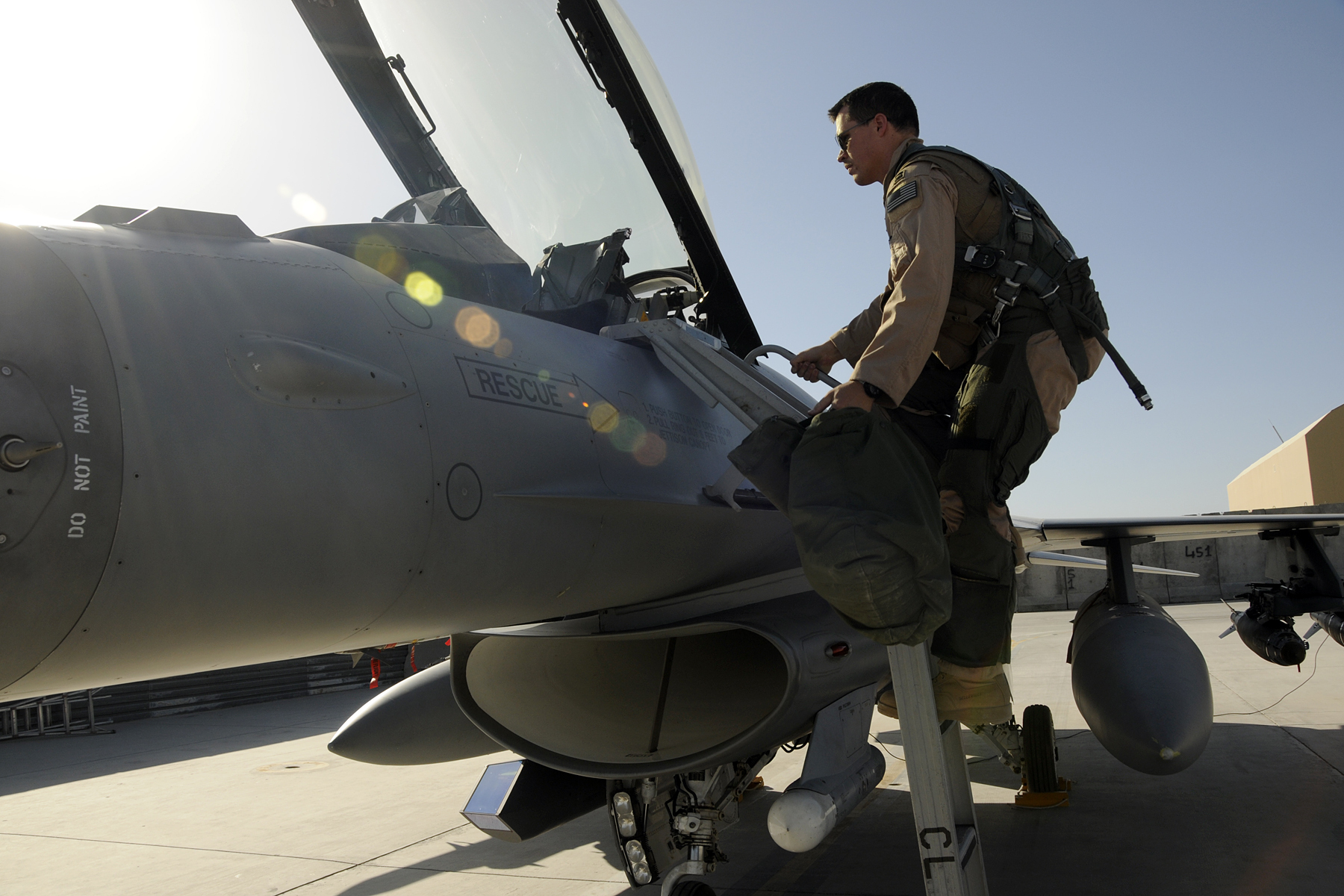
The aircraft’s ability to replicate enemy tactics is vital for honing the skills of naval aviators, preparing them for the challenges they might face in real-world scenarios.
The F-16A has been a stalwart in the US Air Force and Navy, contributing significantly to the nation’s air superiority capabilities.
Safety Trends and Investigations
The Navy’s commitment to safety is evident in its ongoing investigations into aviation mishaps.
The decline in the number of Class A incidents over the past two years is a positive trend, suggesting that safety measures and protocols implemented by the Navy are having a positive impact.
The investigation into the F-16A incident at Naval Air Station Lemoore is currently underway, and the Navy is withholding further information until the completion of the inquiry.
These investigations are critical for understanding the root causes of accidents, implementing corrective actions, and preventing similar incidents in the future.
Takeaways and Continuous Improvement
The recent incident involving an F-16A at Naval Air Station Lemoore highlights the inherent risks associated with high-performance aviation operations, even in training environments as demanding as Top Gun.
The positive outcome of no significant injuries, coupled with the Navy’s ongoing commitment to safety and investigation, underscores the importance of continuous improvement in training procedures and equipment maintenance.
As the Naval Aviation Warfighting Development Center continues to shape the skills of the Navy’s aviators, incidents like these serve as valuable learning opportunities to enhance safety protocols and maintain the high standards expected from the world’s most demanding air combat training program.








COMMENTS