

DragonFire: A Game-Changer in Defense Technology
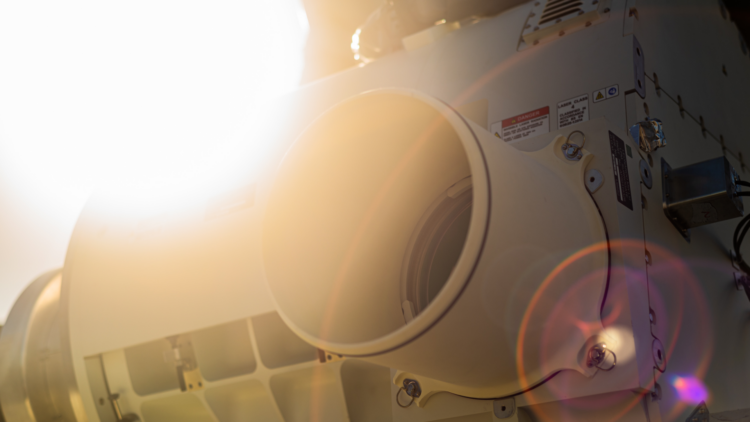
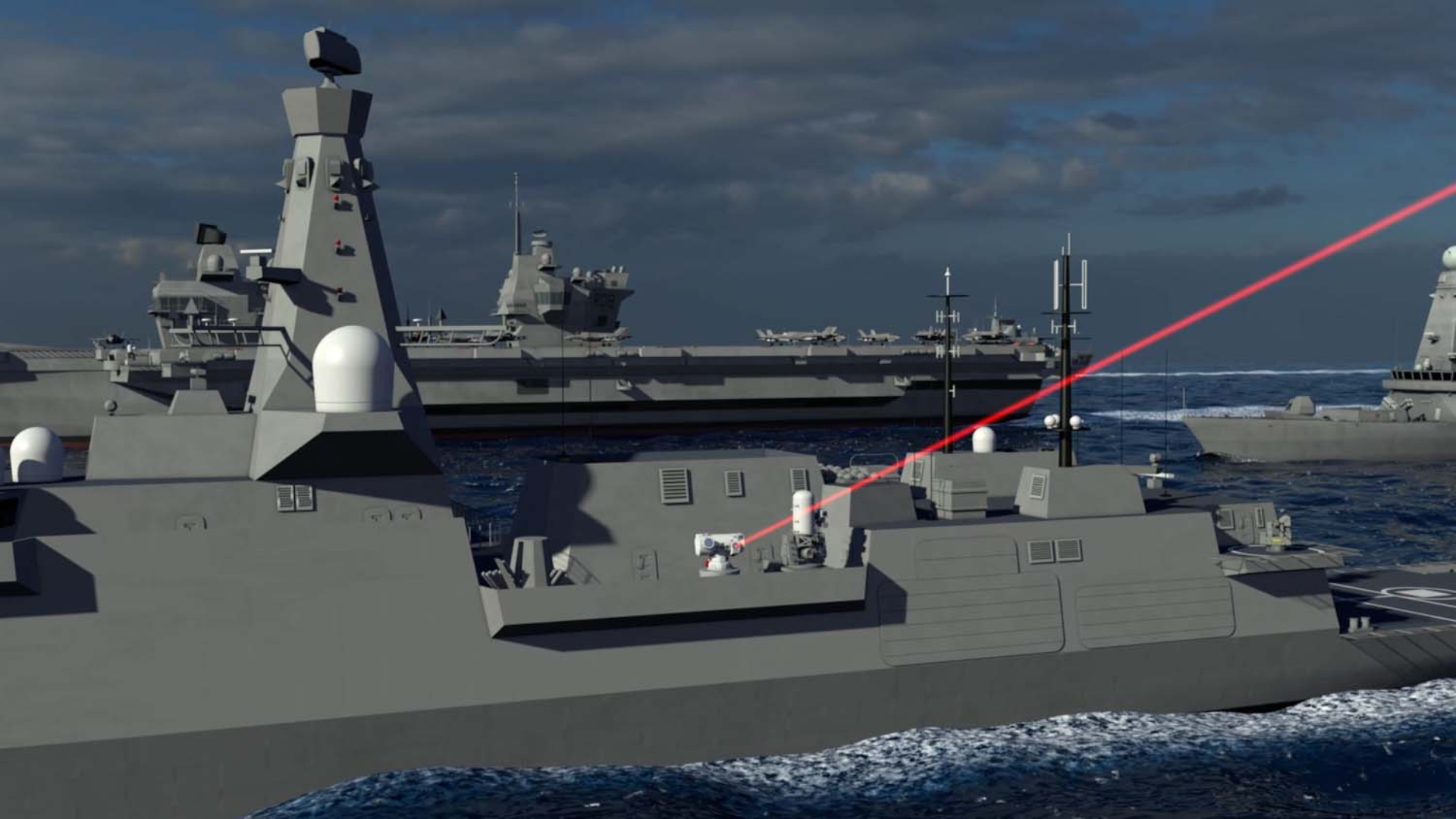
Developed by the Defence Science and Technology Laboratory (Dstl) alongside industry partners MBDA, Leonardo, and QinetiQ, DragonFire is a directed-energy weapon that can neutralize aerial targets at the speed of light.
Its most attractive feature is its economic advantage.
Each high-powered laser burst fired by DragonFire costs less than £10 ($12), a fraction of the expense associated with launching interceptor missiles.
UK at the Forefront of Military Innovation
This faster deployment timeline underscores the UK’s commitment to remaining at the forefront of military technology.
Following a series of successful trials, including low-power tests in 2022, a full-capacity live-fire demonstration in Porton Down, and most recently, the UK’s first high-power laser engagement of aerial targets in Scotland this January, DragonFire is poised for real-world deployment.
“DragonFire exemplifies the UK’s position at the cutting edge of military technology,” declared British Defence Secretary Grant Shapps. “We are committed to getting this system into the hands of our service members as swiftly as possible to ensure they have the tools they need to confront emerging threats.”
A Multifaceted Defense Approach
It’s important to note that the Royal Navy doesn’t view DragonFire as a replacement for existing missile systems.
The tried-and-tested Sea Viper and Sea Ceptor will continue to be a vital part of the Royal Navy’s air defense arsenal.
The combined strength of these conventional missiles and the new laser technology will provide a robust and adaptable shield against a constantly evolving threat landscape.
A Turning Point in Royal Navy Defense
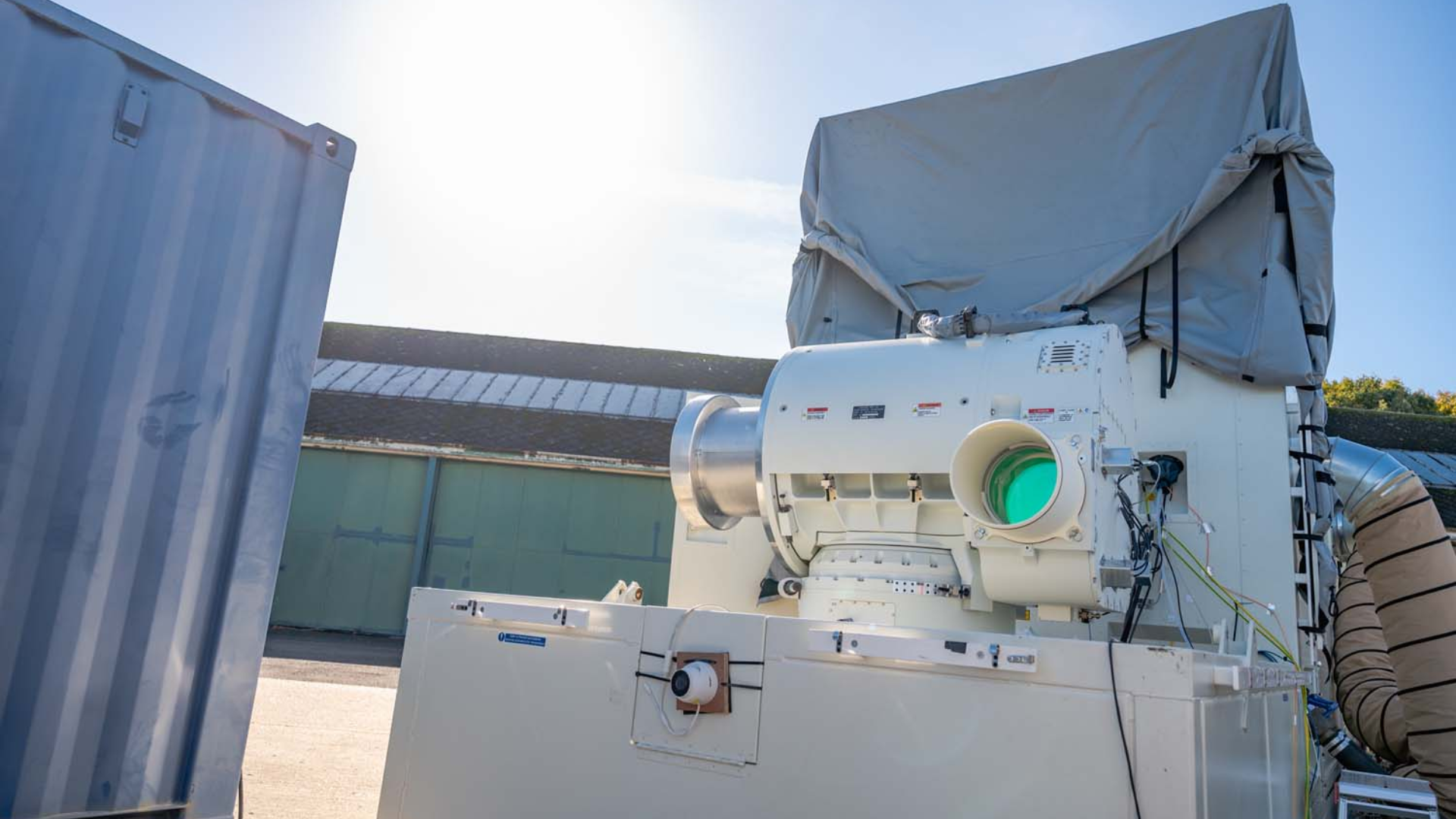
The expedited deployment of DragonFire signifies a turning point in the Royal Navy’s approach to air defense.
This innovative laser weapon system, coupled with dependable missile systems, promises to equip the Royal Navy to effectively counter modern aerial threats and safeguard its operations around the globe.








COMMENTS