
Faced with a string of stinging defeats at the hands of the Wehrmacht, Soviet Dictator Joseph Stalin issued Stavka Directive No. 227 in June 1942, which contained the infamous phrase “Not one step back” ordering the Russian army to cease all retreats no matter the casualties. As part of this order, Stalin directed that 3 permanent “Penal Battalions” be formed of soldiers who were court-martialed for various offenses to prevent them from seeking a relatively safe existence in a military prison versus the horrors of fighting on the front.
These battalions were quickly moved to the parts of the front to fight in the most desperate battles against the Germans. An unintended consequence was to see a huge spike in the number of soldiers subject to courts-martial to man these battalions with fresh troops which took routinely horrific losses in combat. From 1942 to 1945, an incredible 422,000 additional troops were sentenced to the penal battalions by military courts of the USSR.
Part of this order included the creation of NKVD “Blocking Detachments” which were regular Russian army units placed under the control of the NKVD to shoot cowards and deserters and any others deemed to be sowing panic in the ranks. It was also customary for these troops under NKVD control to place minefields behind the positions of the penal battalions to prevent their retreat. In several circumstances these blocking detachments made of up regular Red Army troops refused to fire on their fellow soldiers, forcing the NKVD to form their own units with their own troops. There were several instances where the detachments fought pitched battles with large groups of deserters who preferred to fight it out with the NKVD rather than the Wehrmacht. As a result, the NKVD ended up with heavier weapons, including armored cars, light tanks, and even mortars all in order to fight their own side.
As the tide of war turned in favor of Russia and the Germans were in retreat Russian troops were less likely to desert and Russian army commanders began to quietly do away with the penal battalions. This may have been due to the NKVD expanding its role of rooting out subversives within the army itself. Sometime in 1942, the SMERSH(Death to Spies) organization was created within the NKVD itself, charged with finding and killing spies within the Red army itself. Rather than just catching deserters engaged in the act, SMERSH infiltrated the army at the highest levels and spied on soldiers and even senior officers looking for anything that smacked of disloyalty or defeatism. Now the NKVD was arresting senior ranking officers as well suspected of subversion.
Desperate perhaps to rid themselves of the units of the NKVD as well as the embedded spies informing the NKVD on operations within the army itself, army commanders began to starve the penal battalions of fresh prisoners to put the blocking units out of work. In October 1944, Stalin issued an order that rescinded Directive 227 citing better conditions at the front.
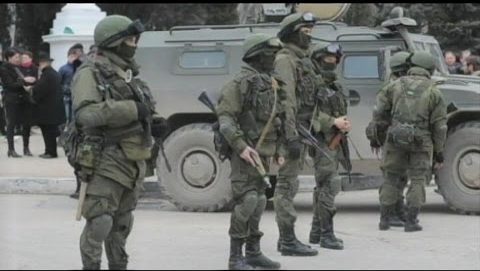
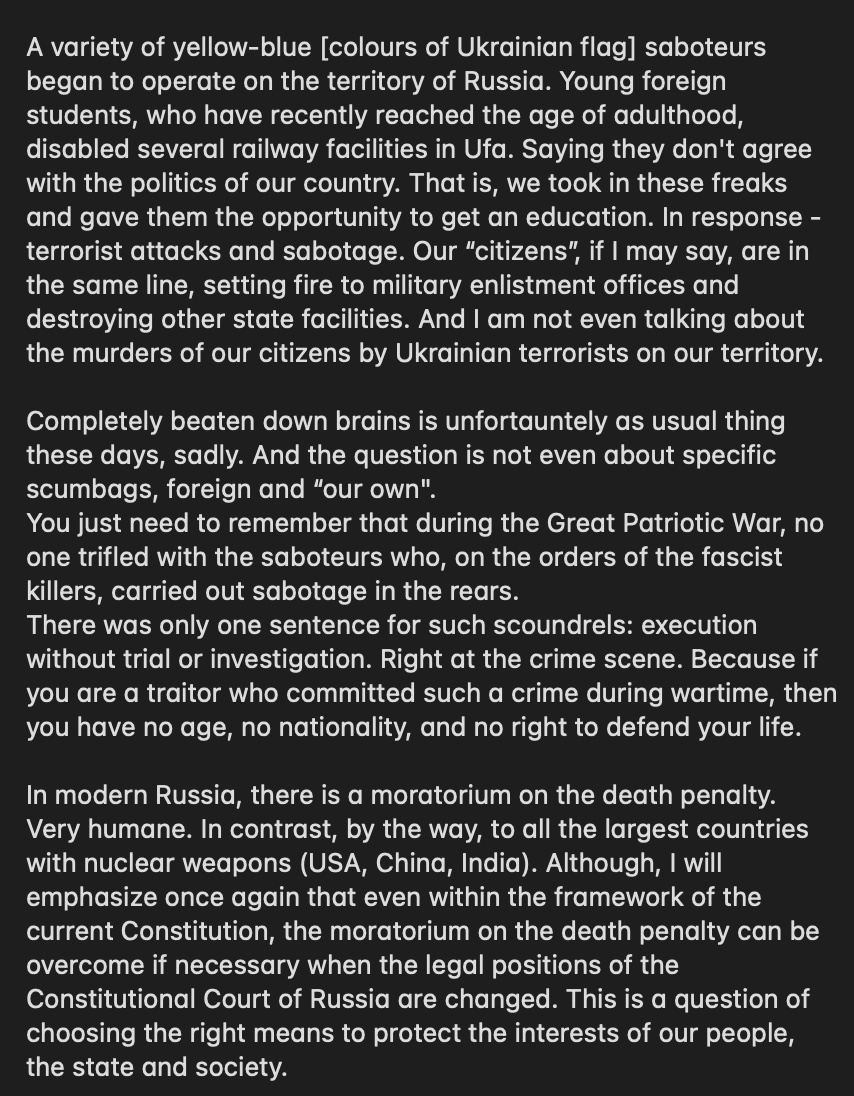
This reintroduction of blocking detachments is a bellwether signaling the pending defeat of Russian forces in Ukraine in the coming months and the dismal state of troop morale within the Russian army. The fortunes of the USSR changed during WWII because of the Allied bombing of Germany itself and successful Allied offensive action in North Africa, Sicily, Italy and finally Normandy in 1944 which drained the Wehrmacht of troops and resources it could send to the East to replace its losses.
Russia has also taken to recreating its penal battalions as well, with Wagner PMC attempting to recruit inside Russian prisons with speeches that remind one of the movie the Dirty Dozen.
https://twitter.com/piotrss/status/1570882729268629505?s=20&t=3Zr8SQIGfNtUdhn7bp0ymg
The unintended consequences of this relic of Russia’s Stalinist past is not likely to make Russian troops fight harder, but make them less likely to serve in the military if called up and more likely to surrender to Ukrainian forces who seem to be treating Russian POWs pretty well by the expected standards of the international community. A feature of the Ukrainian counter-offensive has been to bombard Russian troops with calls for their surrender using loudspeakers, emails, text messages, and even a dedicated hotline they can call for instructions on how to give up.
There is little danger of Ukraine being attacked by another European country from the East, and even Belarus entering the war on the side of Russia at this point would not change the situation on the ground there very much. So Kyiv is not facing a ground offensive from the East and West on its own territory. Rather than running out of arms and men, Ukraine gets stronger every day, while Russia appears to be getting weaker.








COMMENTS