

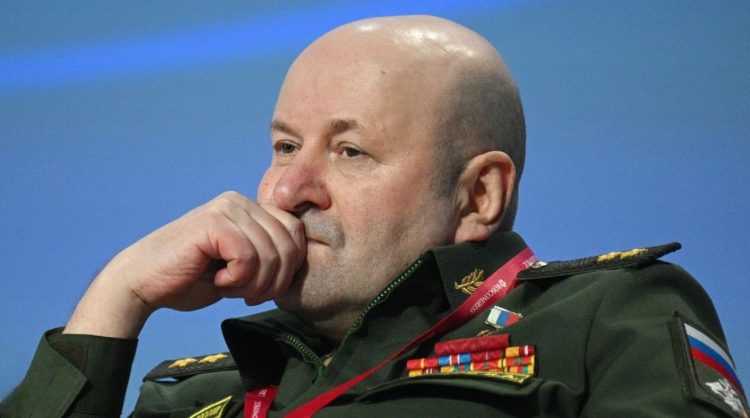
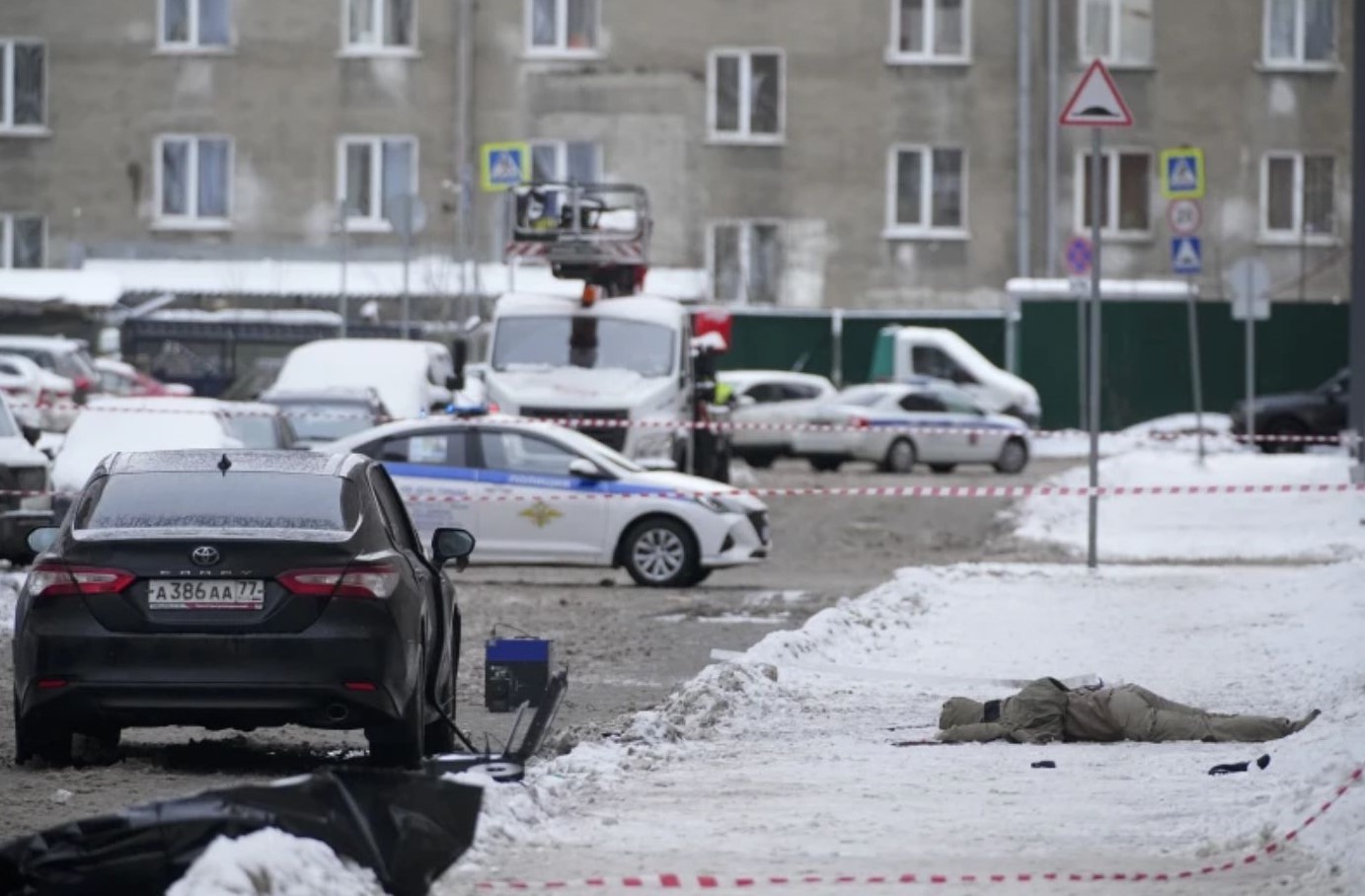
Ukrainian officials openly described Kirillov as a “war criminal” and labeled him an “entirely legitimate target.” His involvement in the widespread use of chemical weapons, deployment of devastating military systems, and his role in the alleged mass poisoning of Ukrainian troops made him a high-priority target for Ukrainian forces. For Ukraine, his death marks a significant blow to a figure they saw as responsible for countless war atrocities.
About the SBU
The Security Service of Ukraine (SBU) is the country’s main internal security agency, established in 1991 following Ukraine’s independence. Tasked with safeguarding national sovereignty, constitutional order, and territorial integrity, the SBU operates similarly to the FBI in the United States or MI5 in the United Kingdom. Its primary responsibilities include counterintelligence activities, combating organized crime and terrorism, cybersecurity, protecting state secrets, and analyzing critical information to support state officials.
The SBU is a substantial organization, once boasting over 30,000 employees, which is notably larger than many similar agencies worldwide. It also operates its own elite special forces unit, known as the Alpha Group, tasked with high-risk and specialized operations.
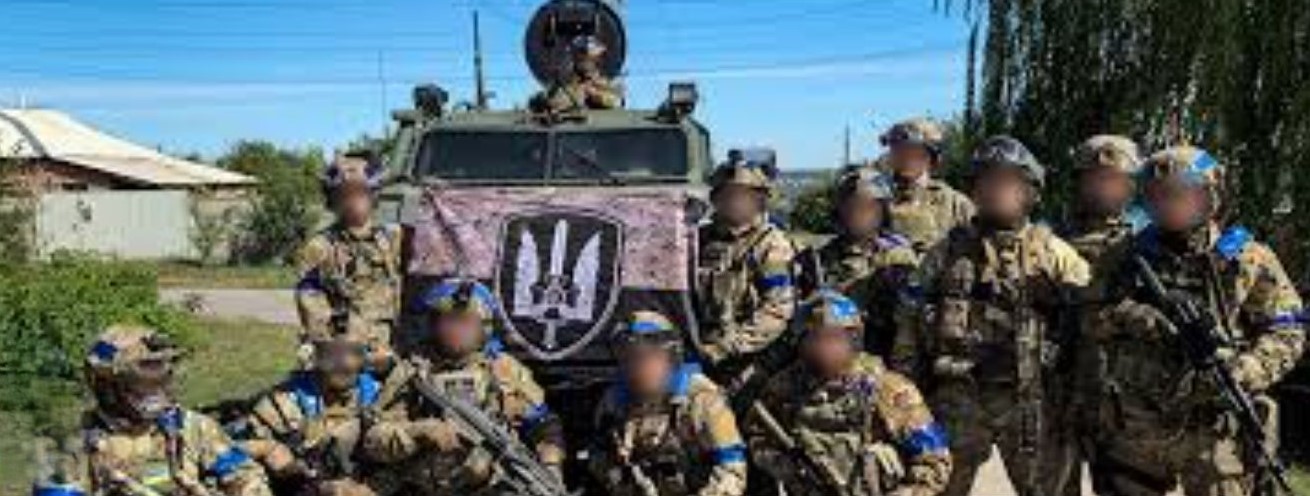
In recent years, the SBU has undergone significant reforms to modernize and streamline its operations. These changes include downsizing the agency’s structure, establishing clearer jurisdictional boundaries, and increasing civilian oversight to ensure greater transparency. Additionally, the anti-corruption and organized crime department was eliminated to refocus the agency’s priorities.
Since the onset of the Russo-Ukrainian War, the SBU has played a critical role in Ukraine’s defense. The agency has been at the forefront of operations targeting Russian agents, pro-Russian separatists, and Russian sympathizers, exposing hundreds of spies and initiating numerous high-treason cases. These efforts highlight the SBU’s central role in protecting Ukraine’s security and sovereignty during an ongoing and intense conflict.
Implications and Reactions
The assassination of Lieutenant General Igor Kirillov in Moscow carries several critical implications for the ongoing Russia-Ukraine conflict. First and foremost, this high-profile killing marks an escalation in the war, as it demonstrates Ukraine’s ability to strike deep within Russian territory. This bold high-profile assassination could provoke retaliation from Russia, potentially leading to an intensification of attacks on Ukrainian targets and a further spiral of violence.
The attack also exposes the vulnerabilities within Russia’s security apparatus. Successfully targeting such a high-ranking official in the heart of Moscow raises concerns among Russian military leaders about their own safety, highlighting cracks in what was assumed to be an impenetrable system. This insecurity could shake confidence in Russia’s leadership and defenses.
Given Kirillov’s role as the head of Russia’s chemical and biological defense forces, his death could disrupt military operations and decision-making within this critical sector. It also draws attention to ongoing accusations and debates surrounding Russia’s potential use of chemical weapons, possibly impacting international discourse on the matter.
On a strategic level, this operation signals a shift in Ukraine’s approach, reflecting a more aggressive stance by Ukrainian intelligence services. Targeting senior Russian military leadership shows not only Ukraine’s reach but also its intent to weaken Russian command structures from within. This could deliver a psychological blow to Russian forces, undermining morale while simultaneously boosting Ukrainian confidence and national pride.
Internationally, the assassination could influence diplomatic relations and international support for Ukraine. While some nations may view it as a justified strike against a key figure in the conflict, others may express concerns about escalating tensions and the potential for broader consequences. Personally, I believe President Zelensky may be thinking ahead to when President Trump takes office and that he better take care of these kinds of activities now rather than wait for the uncertainty of the future.
The full implications of the targeted killing will depend on how both Russia and Ukraine respond in the coming days.
Summing Up
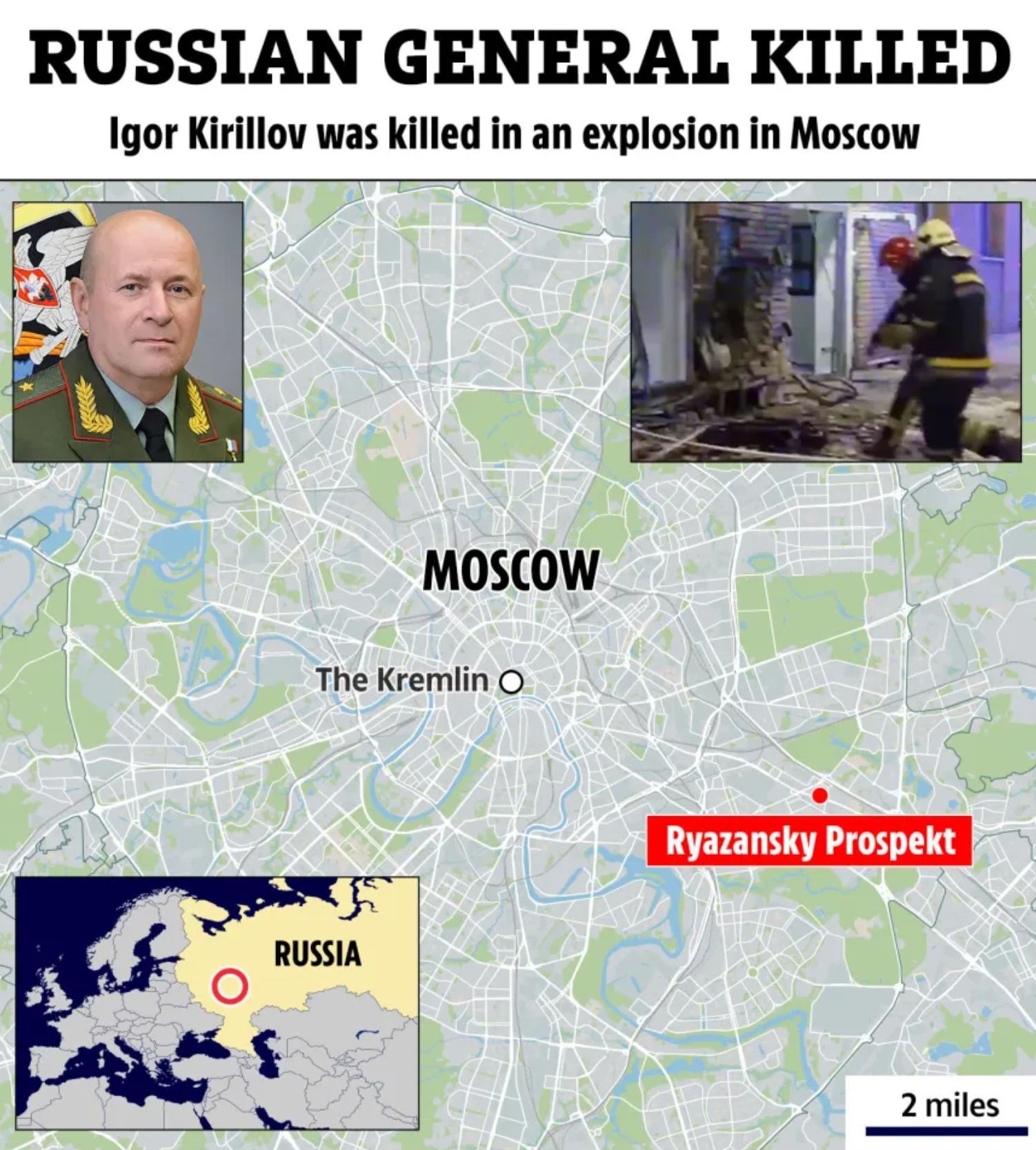
The assassination of Lt. Gen. Igor Kirillov represents a significant escalation in the covert operations characterizing the Russia-Ukraine conflict. As both nations continue to engage in a complex and brutal struggle, such targeted killings may become more frequent on both sides, further complicating prospects for resolution. The international community will undoubtedly monitor the situation closely, as the potential for retaliation and further escalation remains high.








COMMENTS