

RECAP: Historical Context of the Conflict
The current crisis in the eastern Mediterranean originated in a brazen Hamas raid. The militant group breached the heavily fortified border between the Gaza Strip and Israel, leading to widespread chaos and a tragic loss of life. In the days that followed, a relentless exchange of rocket attacks and airstrikes escalated the situation.
Israel launched a series of retaliatory strikes, leading to casualties among both military and civilian populations. Gaza health officials reported over 2,200 casualties, while Israel’s response resulted in more than 1,300 deaths, with a significant number of them being civilians.
Hamas, which controls the Gaza Strip, has long been a source of tension in the region. The group is designated as a terrorist organization by several countries, including the United States, Israel, Canada, and the European Union. Its militant activities and attacks on Israel have often led to violent confrontations and, in some cases, full-scale military operations.
Israel’s response to the Hamas attacks led to significant civilian casualties, which drew international attention and calls for a ceasefire. The Palestinian territories have seen unrest and conflict for decades, with the Israel-Palestine conflict at the heart of the ongoing strife.
Regional Implications
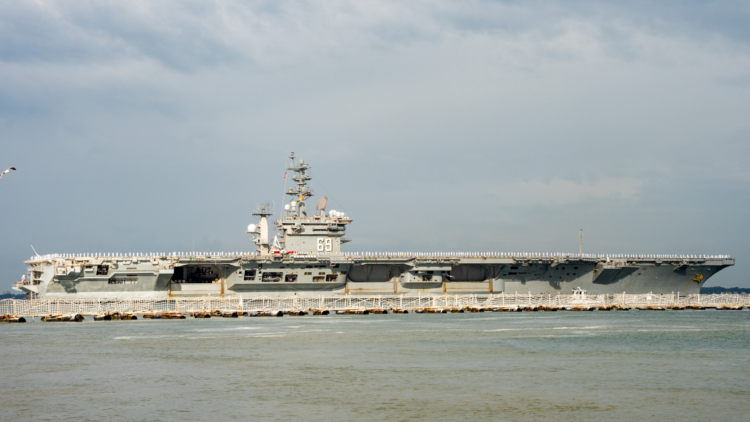
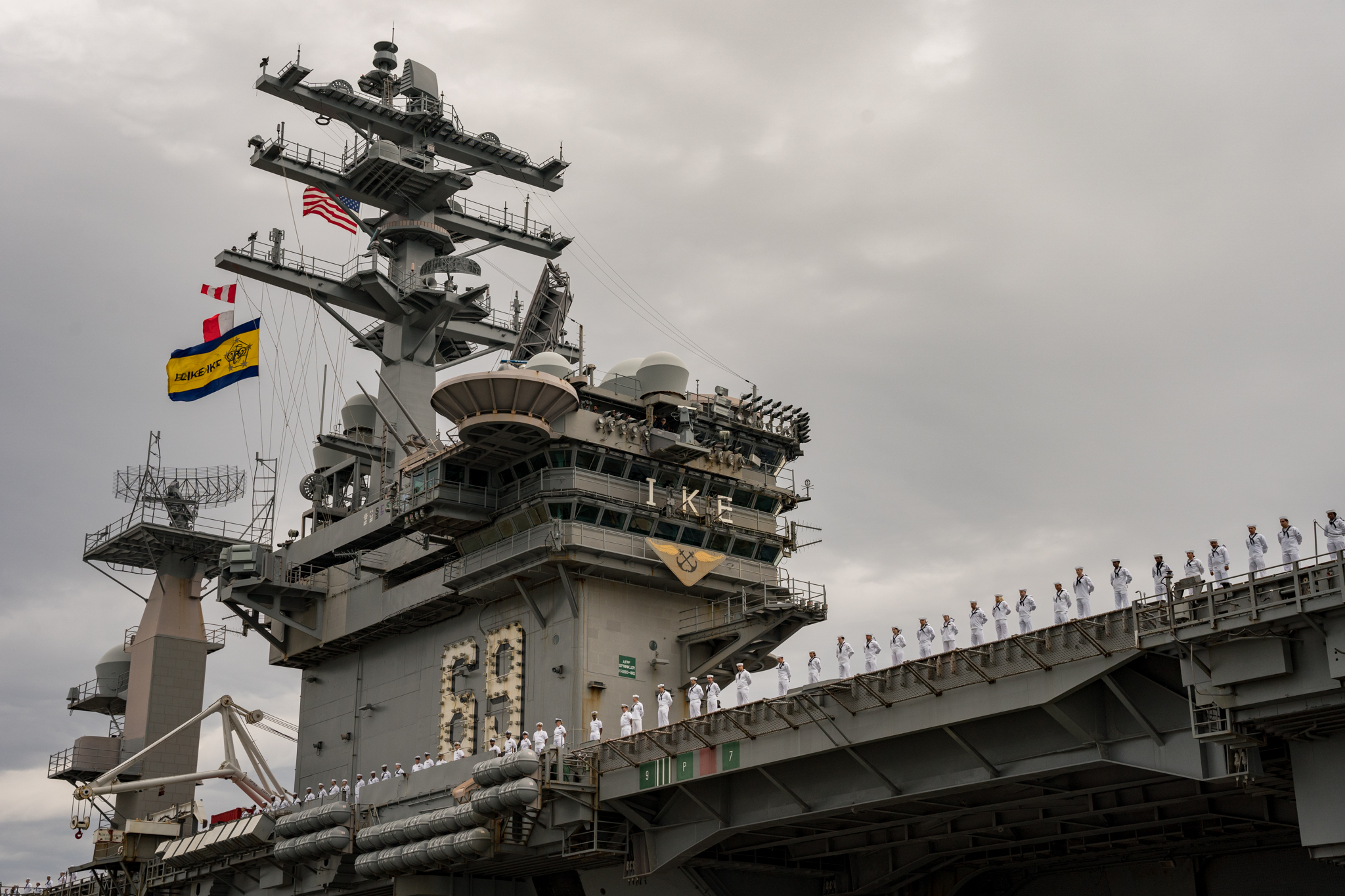
The recent deployment of a second US aircraft carrier strike group to the eastern Mediterranean is a significant development with wide-ranging regional implications. This move reinforces the US-Israel alliance and sends a clear message to other regional actors, emphasizing Washington’s commitment to maintaining stability and peace.
It is important to note that the eastern Mediterranean is a region of strategic importance for the United States, not only due to its close ties with Israel but also because of its broader interests in the Middle East. The US has been actively involved in the region for decades, addressing various geopolitical and security challenges.
The presence of two carrier strike groups also demonstrates the United States’ military capability and its readiness to respond to crises in the region. This deployment sends a strong deterrent message to any potential aggressors and highlights the US commitment to upholding the security and stability of its allies.
~
To sum it up, deploying a second aircraft carrier strike group to the eastern Mediterranean represents a significant step in the United States’ response to the ongoing conflict in the region. It reaffirms the US commitment to Israel’s security, while also underlining the broader implications for regional stability and US foreign policy.
The situation in the eastern Mediterranean continues to evolve, and the world watches closely as diplomatic efforts and military deterrence shape the course of events.








COMMENTS