Leapfrogging backward, using whatever points of cover presented themselves, I found an open exit. Another wave of panicked people was headed my way. Someone had to take charge, so I shouted, “Follow me!” And out we went, down the stairs, onto the tarmac, and to a fence that separated the airport grounds from a parking lot. Throwing my rain jacket over the top of the razor wire to create a passable avenue of escape, I helped a few people over. Some officers saw us and were not happy with me. But someone had to have a plan. The place was such total chaos it was a miracle nobody was trampled to death by the stampeding herds of terrified passengers.
As it turned out, there was no shooter. The whole thing was a case of panic over nothing. Someone put forward the theory that the sound of people cheering on the televised Olympics was somehow mistaken for gunfire. Sounds like a total BS rumor to me. Like something someone concocted to cover his butt. It is way more likely that it was an accidental gun discharge. But the cause of the panic isn’t the point.
Already have an account? Sign In
Two ways to continue to read this article.
Subscribe
$1.99
every 4 weeks
- Unlimited access to all articles
- Support independent journalism
- Ad-free reading experience
Subscribe Now
Recurring Monthly. Cancel Anytime.
The point is this: Nobody was prepared. Nobody was situationally aware.
Total Situational Awareness
In the wake of mass shooting incidents around the world, many of us from the Spec Ops community have been called upon to help train citizens on what to do in the event of a sudden shooting rampage or another unexpected attack. We’ve covered this topic in-depth on SOFREP. Of all the advice and perspective I can possibly offer, the single most critical element in safety, prevention, and defense is the combination of skills summed up in the following three words: total situational awareness
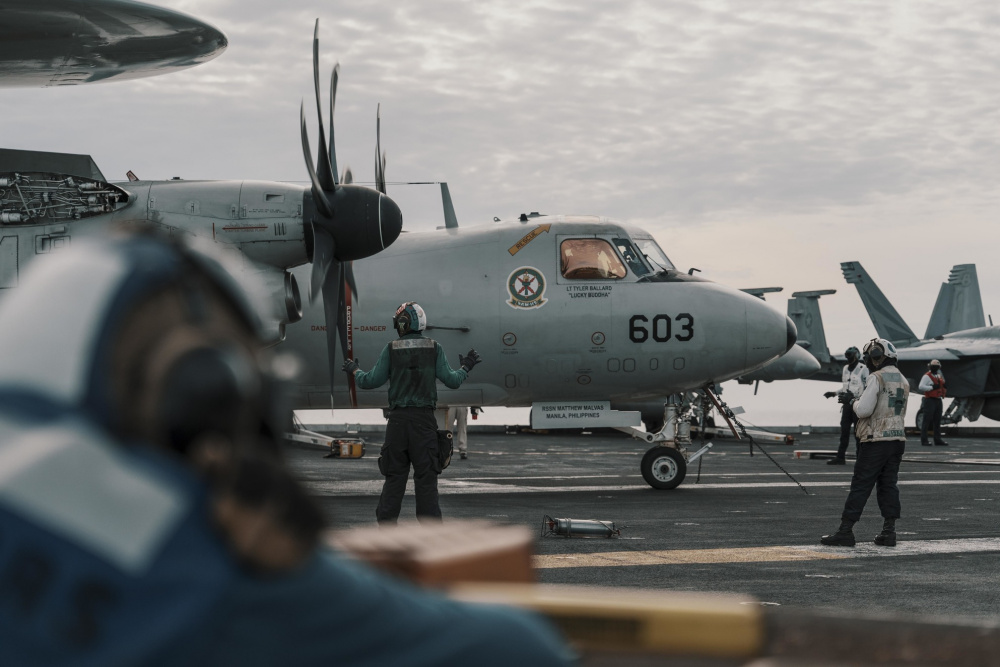
One of the most dangerous places in the entire world is on the flight deck of an aircraft carrier during flight operations. A lack of Total Situational Awareness here can get you killed in a heartbeat. (Photo by Mass Communication Specialist 3rd Class Terence Deleon Guerrero/U.S. Navy)
You also need total situational awareness to survive and thrive in the world of business.
Let’s try something. Think about the last time you went shopping. Not online. I mean, the last time you actually walked into a physical store. Drugstore, convenience store, supermarket, whatever. Got that clearly in mind? Okay.
Now, take a piece of paper and write down a list of every single person you saw while you were in that store. Describe each person’s face, manner of movement, and the overall impression you formed of them.
How’d you do?
Rule #1: Pay Attention
Let’s say the police knock on your door tomorrow, saying they are investigating a recent crime in the area. They ask you if any of the people you passed in the store had acted oddly in any way. How much information could you give them? How useful a witness would you be?
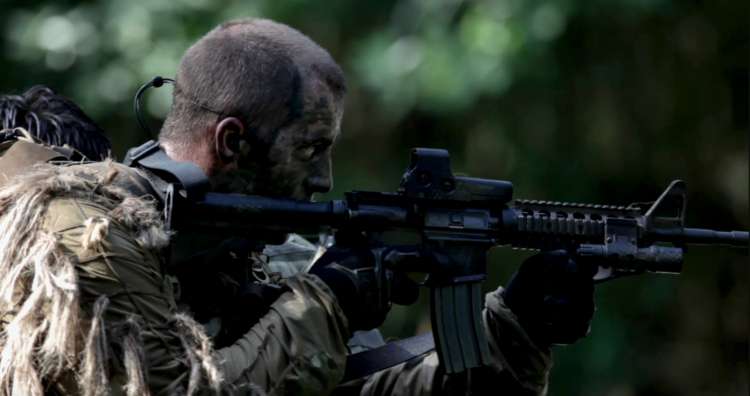
In sniper training, we have an exercise we call KIM, or Keep in Memory. There are dozens of variations of it. In one, instructors might drive you through the streets of a city to a destination and, after you get there, quiz you without warning on every car you passed along the way. In another variation, you go through a field course where objects are hidden out in the woods along the way. You’re supposed to remember them all. This means that you need to have noticed them all, even though nobody told you that you’d be tested on this later. Those students always had to be “on.” Always vigilant. Sometimes, to push the limits of our students’ memories, we would wait a few weeks after they’d been through a given course to quiz them on what they saw.
The point of these exercises is to train our students in how to pay extreme attention and cultivate total situational awareness.
It surprises most people to learn this, but being a sniper is not principally about shooting or marksmanship. As a sniper, a relatively tiny percentage of your time in the field is spent on the gun. Rather, you spend most of your active time in observation. A sniper is, first and foremost, an intelligence asset. Snipers are a field element’s forward eyes and ears. Reconnaissance and surveillance are the bedrock of our skillset.
Situational Awareness Carries Over to Business
The same is true in business. Do you make important decisions? Of course. Do you pull the trigger — hiring and firing, writing checks, launching initiatives? Of course you do. But not most of the time. No, the great majority of what you’re called upon to do is learn, watch, absorb, and think. Reconnaissance. Paying attention.
Those three weeks I was in Europe, just before finding myself in the middle of that phantom-shooter incident at JFK? I called it a vacation, but that wasn’t really what it was. To be fair, I did a bunch of sightseeing, saw friends, flew some planes. I’m a big believer in the “work hard, play hard” philosophy. But the real purpose of that trip was to do some fact-finding. I wanted to get a firsthand read on what was happening with the economy in Europe, how our own forthcoming presidential election might affect markets over there, and what was going on globally. While I was there, I met with entrepreneurs from Berlin, Australia, Russia, all over. Reconnaissance. Paying attention.
I consume a steady diet of media industry periodicals and read a ton of books. But it’s not enough to read what’s on the page or screen. You also have to be constantly reading the world around you.
Next time you’re out walking, ask yourself: if someone suddenly mounted an armed attack, where would it most likely come from? What would be your best escape route?
Now, ask those same questions about your business…
—
** Follow SOFREP Media CEO and former Navy SEAL sniper, Brandon Webb, on Instagram.