
Caracas has activated a vast network built for exactly this storyline. Maduro says four million members of the Bolivarian Militia are spinning up alongside reservists and regulars, spread across 284 defensive fronts. Think border choke points, coastal approaches, and the interior routes where infiltrators might try to slip through. The order from the palace is “maximum preparedness.” Police, soldiers, and militia trainers are running civilians through weapons handling and small-unit tactics so they can slot into a “people’s defense” if shooting starts.
The theme is deterrence. The Trump administration has turned a hard light on Venezuelan officials under the banner of counter-narcotics, with maritime strikes on traffickers and public mapping of military nodes tied to alleged cartel activity. The White House has not confirmed it will hit targets inside Venezuela, but U.S. planning cells always keep options. That is how you do serious signaling.
Venezuela’s military is no paper force. It fields a layered air-defense architecture, from long-range surface-to-air missiles to man-portable systems, the kind of mix designed to make combat aviators sweat and planners burn fuel on suppression packages. Maduro is parading that kit while pushing the militia surge to project internal control and make any intervention look costly.
Here is the hard math. The United States brings depth, logistics, and precision that cannot be matched by Caracas. Ships, submarines, aircraft, and special operations units trained to stitch maritime and air campaigns together give Washington choices. That asymmetry is real. Maduro’s play is to throw sand in the gears by mobilizing bodies, exploiting terrain, and threatening a long fight that blends conventional fires with guerrilla tactics.
Inside the country, the machine is moving. Commanders are staging along key axes, moving food, water, fuel, and medical stocks, and integrating civil defense plans that tether neighborhoods to military districts. The message to Washington and the region is the same. If you come, you will not leave quickly.
Strategists can debate escalatory ladders all day. On the ground, this comes down to time, reach, and political will. Both sides are advertising that they have plenty.
Venezuelan President Maduro says the actions taken against his country are designed to justify war, push for regime change, and seize Venezuela’s natural resources. He adds that if the nation did not have oil, gas, gold, fertile land, and a strong history, the United States would… pic.twitter.com/yC2suWA1G2
— WAR (@warsurveillance) November 1, 2025
El Fasher Falls. The Killing Does Not Stop.
El Fasher was a city under siege for a year and a half, a chokehold that starved families and bled the hospitals dry. On October 26, 2025, the Rapid Support Forces walked through the gates and turned a humanitarian disaster into a hunting ground. The RSF grew out of the Janjaweed, the same horsemen who burned Darfur two decades ago. Different name, same methods. Trap the civilians, cut the aid, use hunger as a weapon, then move in.
What followed reads like a charge sheet from a war crimes tribunal. UN teams and MSF field staff report mass killings, executions in homes, and systematic rape. The Saudi Maternity Hospital, a place that should have been untouchable, saw hundreds killed among patients and their companions. Survivors talk about door-to-door sweeps. Torture in the open. Bodies left as warnings. Videos push across social media like trophies, the camera serving as both weapon and witness.
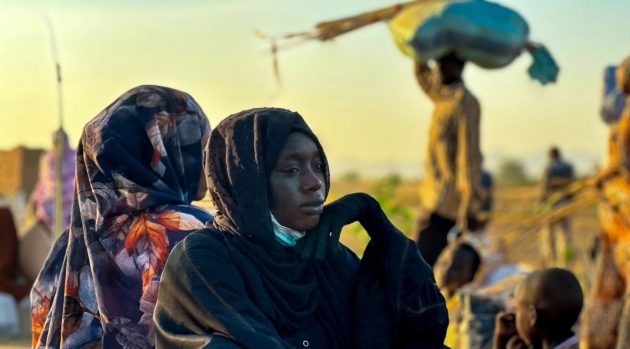
The flight from the city added a second layer of terror. Tens of thousands tried to leave on foot. Women, children, and the elderly met checkpoints that were shakedowns. Food became currency and so did dignity. Extortion, sexual violence, and beatings were common. Aid convoys were blocked for months. Inside El Fasher, prices spiked to the ceiling while warehouses sat empty. More than 260,000 civilians were pinned in place, half of them kids.
Sudan’s war did not start here. It erupted in April 2023 and has chewed up the country since. The numbers are brutal. More than 150,000 dead. Fourteen million displaced. Cholera, malnutrition, and collapsed infrastructure. El Fasher is the latest flashpoint, not the only one. It is where the mask slipped off in full view.
The RSF claims control. What it holds is a crime scene. Ethnic targeting and political reprisal run through the accounts like a thread. The UN Security Council condemned the assault and called for civilian protection and accountability. That is the floor, not the ceiling. Evidence needs to be preserved, perpetrators named, sanctions tightened, and humanitarian access forced open. Air bridges, ground corridors, and neutral escorts are tools that exist. Use them.
You can tell a lot about a war by who eats and who buries the dead. In El Fasher, the RSF ate while families dug. The world is watching. Watching is not enough.
The Rapid Support Forces proudly published footage showing innocent civilians fleeing El Fasher after it fell to the violent UAE-backed group. pic.twitter.com/K2j6D3O0ws
— TabZ (@TabZLIVE) October 26, 2025








COMMENTS