

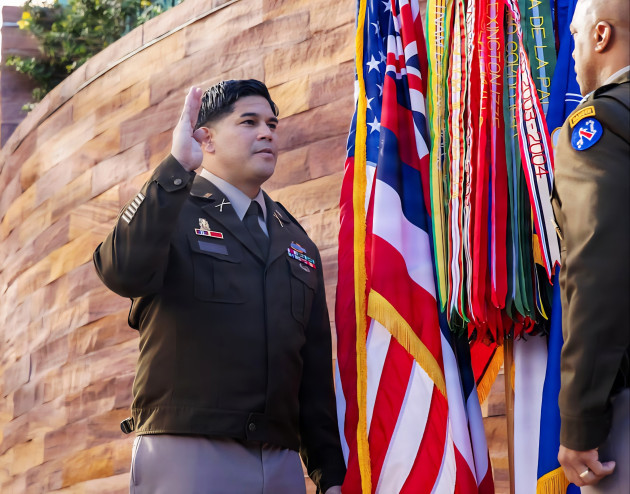
For now, it stands as a rare case of the institution matching rank to reality.
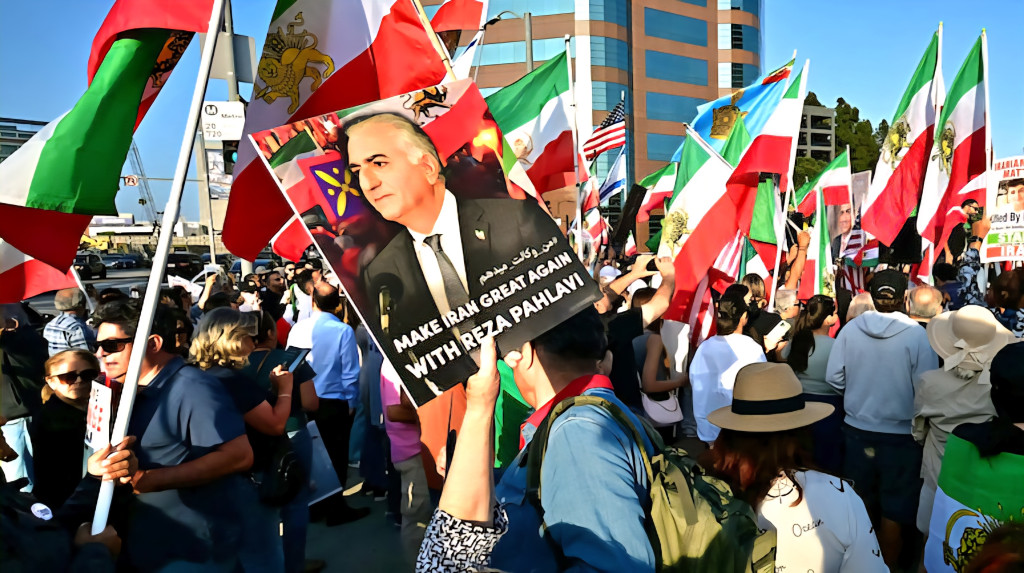
Iran Protests Escalate as Pahlavi Urges City-Center Takeovers
Iran’s anti-government protests have entered a new phase after Reza Pahlavi, the exiled son of Iran’s last Shah and former Crown Prince, urged demonstrators to “seize and hold city centers.” Pahlavi is the most visible living symbol of the government overthrown in 1979, when Ayatollah Ruhollah Khomeini replaced the monarchy with the Islamic Republic. His call signals a shift from leaderless economic unrest toward a direct challenge to the clerical regime that has ruled Iran ever since.
This is not a small change. A march you can break up is inconvenient. A city center you have to retake is a crisis. Occupying downtown squares, transit nodes, and government-adjacent hubs forces Tehran into its favorite set of choices: look weak, or get violent. Either option looks great on state television, assuming state television is still pretending this is all fine.
Holding ground also wrecks the regime’s preferred tactic: break crowds into pieces, isolate neighborhoods, and arrest people in small batches where nobody can see it. Occupation gives the protests a fixed rally point. It creates momentum. It creates images. And Iran’s leadership has never liked images it doesn’t control.
So the regime did what confident governments always do. It shut down the internet.
According to reporting by the Associated Press and Reuters, Iran imposed a nationwide communications blackout starting January 8, aiming to disrupt coordination and limit outside visibility. Internet monitoring groups cited in Reuters coverage reported sharp drops in connectivity even as protests continued. Nothing says “we are stable” like cutting off the entire country’s ability to communicate.
Human rights monitors say the crackdown is turning lethal. The U.S.-based Human Rights Activists News Agency reports at least 65 deaths and more than 2,300 arrests. In other words, Tehran’s “solution” to inflation and unemployment appears to be live fire and mass detention. Strong leadership.
State media has also found its culprit: “terrorist agents” backed by the United States and Israel. Because when your people are angry about food prices and corruption, the obvious explanation is that CIA interns are setting the streets on fire. The army and Islamic Revolutionary Guard Corps have publicly vowed to protect infrastructure and maintain security, deploying forces alongside Basij militias.
Here’s the part Tehran won’t like: for months, Iranian officials have talked about confrontation with the United States, waving around “all-out war” language like it’s a deterrence strategy. Yet the only all-out war happening right now is the regime versus Iran.
President Donald Trump is leaning into that contradiction. On Truth Social, he wrote that Iran is “looking at FREEDOM, perhaps like never before,” adding the United States “stands ready to help.” Senator Lindsey Graham echoed the message, framing “Make Iran Great Again” as meaning protesters must prevail over the ayatollah.
Whether outside rhetoric changes anything remains unknown. What is clear is that Pahlavi’s call raised the stakes from protest to power. The regime’s response reads less like confidence and more like panic in uniform.
Stand by. This one isn’t cooling off.
Venezuela Releases Political Prisoners Following U.S. Pressure
Venezuela has begun releasing political prisoners following sustained pressure from the United States, a move President Donald Trump publicly framed as the direct result of recent U.S. military operations and tightened sanctions targeting the Maduro regime.
According to reporting by Reuters, Venezuelan authorities have released approximately 150 opposition figures and political detainees in recent days. The releases came shortly after Trump posted on Truth Social crediting U.S. involvement for the outcome, signaling that compliance was preferable to what he described as the alternative. In one post, Trump remarked that Venezuelan leaders were “lucky they got” the opportunity to cooperate, an implied warning that further resistance could bring additional consequences.
The prisoner releases follow a period of escalating U.S. pressure, including recent American military actions in the region and renewed enforcement of sanctions that have further strained Venezuela’s collapsing economy. Reuters reported that the White House viewed the releases as a confidence-building step, while making clear that additional cooperation would be required.
Venezuelan officials, for their part, have attempted to downplay the pressure campaign. State media described the prisoner releases as a “goodwill gesture” and an internal decision, even as economic conditions continue to deteriorate and international isolation deepens.
Human rights groups cited by Reuters say the releases are real but incomplete, noting that many political prisoners remain in detention and warning against viewing the move as a full reversal of repression. Names and full numbers are still being verified, and observers expect additional lists to emerge from Caracas in the coming days.
From a SOFREP perspective, the development fits a broader pattern. Deterrence backed by credible force changes behavior. When pressure becomes personal and immediate, authoritarian regimes tend to rediscover flexibility.
Stand by. This story is still moving, and the next round of cooperation or confrontation will likely determine whether this was a one-time concession or the beginning of something larger.
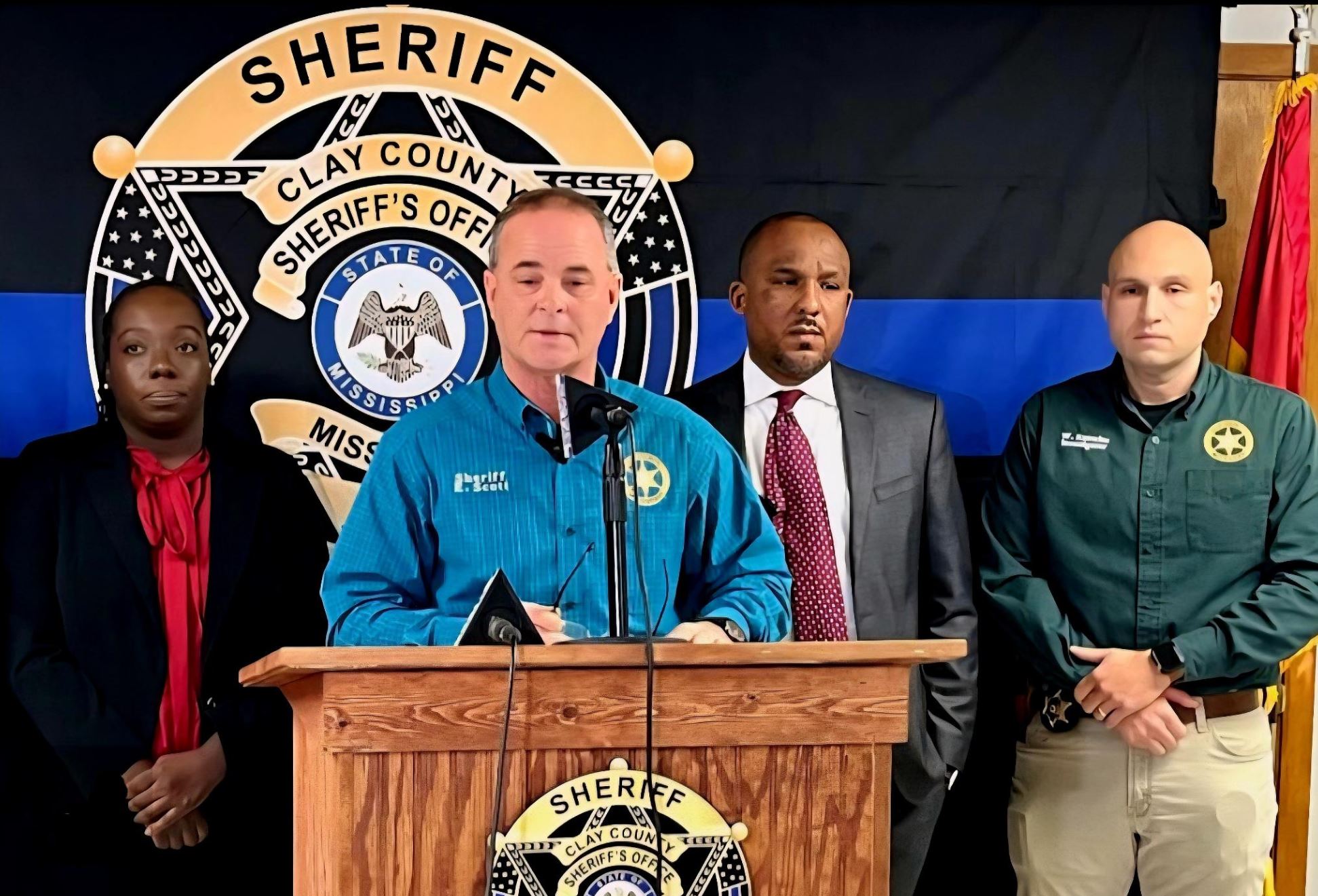
Suspect Captured After Six Killed in Clay County Shooting Spree
Authorities say the suspect in a deadly shooting spree that left six people dead, including a 7-year-old child, has been captured and is expected to make a court appearance Monday.
According to reporting by the Associated Press, the killings unfolded across multiple locations in rural Clay County, Mississippi, late Friday. Investigators said three victims were found dead at a family mobile home, and the suspect later moved to additional locations where more people were shot, including a child. Authorities have not confirmed a motive.
The Associated Press reported the suspect was taken into custody shortly before midnight after being stopped at a roadblock. The suspect has been identified as 24-year-old Daricka M. Moore, and officials said he acted alone. People magazine reported similar details, including that charges are expected to be upgraded, and prosecutors are considering seeking the death penalty.
Law enforcement said the situation remains under investigation, with interviews ongoing and evidence still being processed.
This story developed fast, and early reports were messy. The key update now is simple: the suspect is in custody, and the immediate public safety threat appears contained.








COMMENTS