

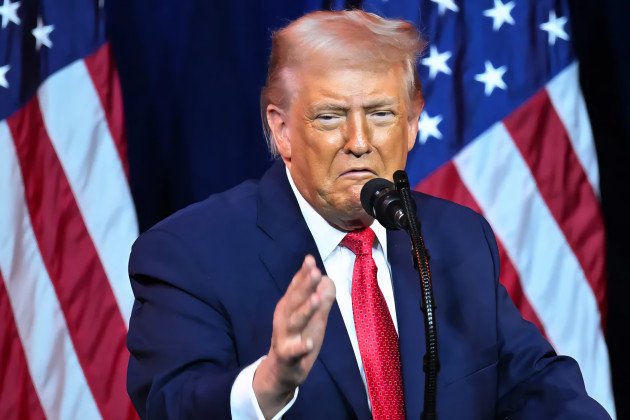
From a SOFREP perspective, the pattern is familiar. U.S. pressure is being applied region by region, not through speeches, but through direct action. The objective remains consistent: choke financial lifelines and force leaders to choose a path.
The shockwave from Venezuela has reached Havana’s doorstep, and Washington is making sure the message cannot be ignored.
Stand by.
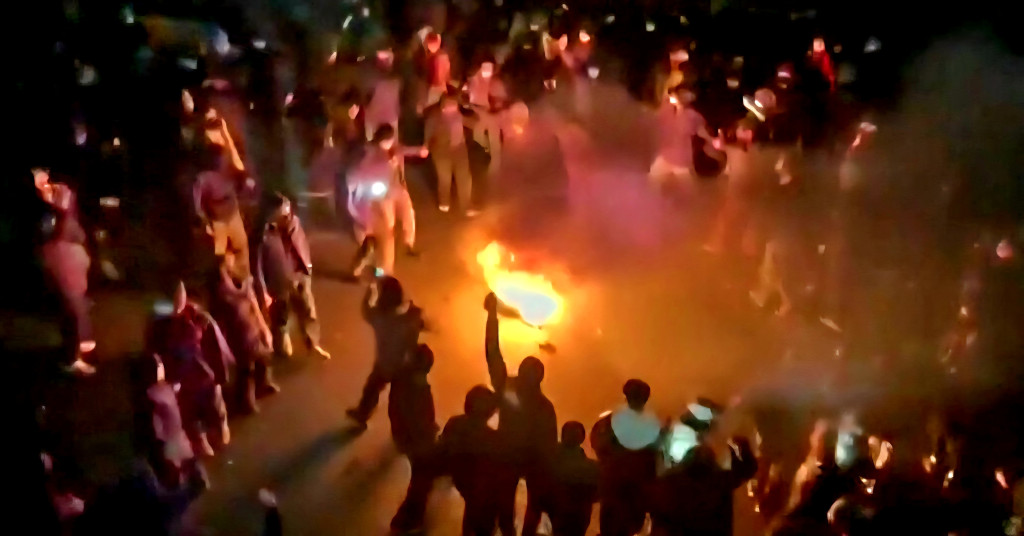
Iran Death Toll Rises as Regime Expands Internet and Satellite Jamming
Iran’s protest death toll continues to climb as the regime intensifies its crackdown and information control efforts nationwide.
Some casualty estimates are being reported very differently depending on the source. The U.S.-based Human Rights Activists News Agency, cited by ABC News, reported a figure as high as 538 deaths since late December, including 490 protesters and 48 security personnel, along with more than 10,600 arrests. Iranian state-aligned media, meanwhile, has reported far lower totals, including claims of just over 100 security personnel killed, and Tehran has not released an official nationwide death toll.
SOFREP cannot independently verify these numbers, and the real figure remains unclear while communications are restricted and reporting is fragmented.
Protests have now been documented in over 570 locations across 185 cities, with large crowds continuing to gather in Tehran, Mashhad, and other major population centers despite heavy security presence. Iranian authorities have not released official casualty numbers, while state-aligned media has claimed higher losses among security personnel.
As unrest spreads, Tehran has expanded its communications crackdown. ABC News and internet monitoring groups report that Iran’s nationwide blackout has exceeded 60 hours in some areas. Iranian authorities are also deploying advanced electronic warfare tools to disrupt satellite communications, including attempts to jam Starlink terminals, limiting protesters’ and reporters’ ability to bypass state-controlled networks.
Iranian leaders continue to blame foreign actors. Supreme Leader Ayatollah Ali Khamenei and President Masoud Pezeshkian have labeled protesters “rioters” backed by the United States and Israel, even as Pezeshkian publicly acknowledged economic grievances driving the unrest.
President Trump stated publicly that the United States “stands ready to help,” while Israeli Prime Minister Benjamin Netanyahu said Israel supports the Iranian people’s demonstrations for freedom.
Meanwhile, Iran’s parliament speaker warned that U.S. or Israeli military action would make them “legitimate targets,” underscoring the regime’s growing external threats as it struggles to contain unrest at home.
Stand by. The situation continues to escalate.
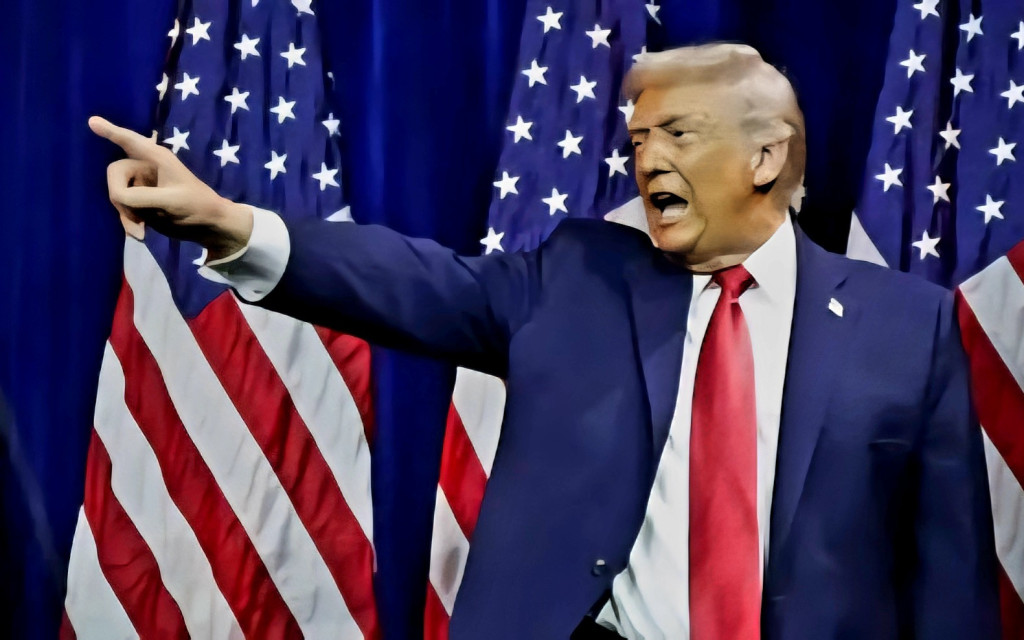
Venezuela Issues Travel Warnings, Clash as U.S. Pressure Tightens
The U.S. State Department has ordered American citizens to leave Venezuela immediately, warning of growing security risks following last week’s U.S. operation that led to the capture of Nicolás Maduro and a rapid shift in the country’s power structure.
In a public alert issued Saturday, the State Department cited reports of armed militias known as colectivos setting up roadblocks, stopping vehicles, and searching for signs of U.S. citizenship or support for the United States. Officials warned that Americans face a high risk of detention or violence and urged anyone still in the country to depart without delay. The U.S. Embassy in Colombia reaffirmed that Venezuela remains under a Level Four “do not travel” advisory.
Venezuela’s government responded quickly, rejecting the warning outright. The Venezuelan Ministry of Foreign Affairs said the alert was based on “fabricated accounts” and claimed the country is in “absolute calm, peace, and stability.” In a statement carried by state media, officials insisted all weapons remain under government control and accused Washington of trying to manufacture fear.
Those competing claims come as Venezuela undergoes its most volatile transition in years. Maduro and his wife appeared in federal court in New York after being captured during a U.S. operation in Caracas earlier this month. President Trump said afterward that the United States would oversee Venezuela for an unspecified period. In Caracas, Vice President Delcy Rodríguez was sworn in as interim leader after Venezuela’s Supreme Court described Maduro’s removal as a “kidnapping.”
Meanwhile, pressure is continuing on multiple fronts. According to reporting by ABC News and Reuters, U.S. forces have boarded Venezuelan-linked oil tankers, and Treasury officials are weighing whether to lift or adjust sanctions as early as next week to allow controlled oil sales. Reuters reported that Treasury Secretary Scott Bessent is engaging with the International Monetary Fund and World Bank on possible re-entry, including the potential release of roughly $5 billion in frozen IMF assets to stabilize the economy.
From Washington’s perspective, the message is consistent. Security threats are real, movement is restricted, and leverage remains in U.S. hands. Caracas says the streets are calm. Washington is telling its citizens to leave now.
Those two statements cannot both be true.
Stand by. This situation is still moving fast.
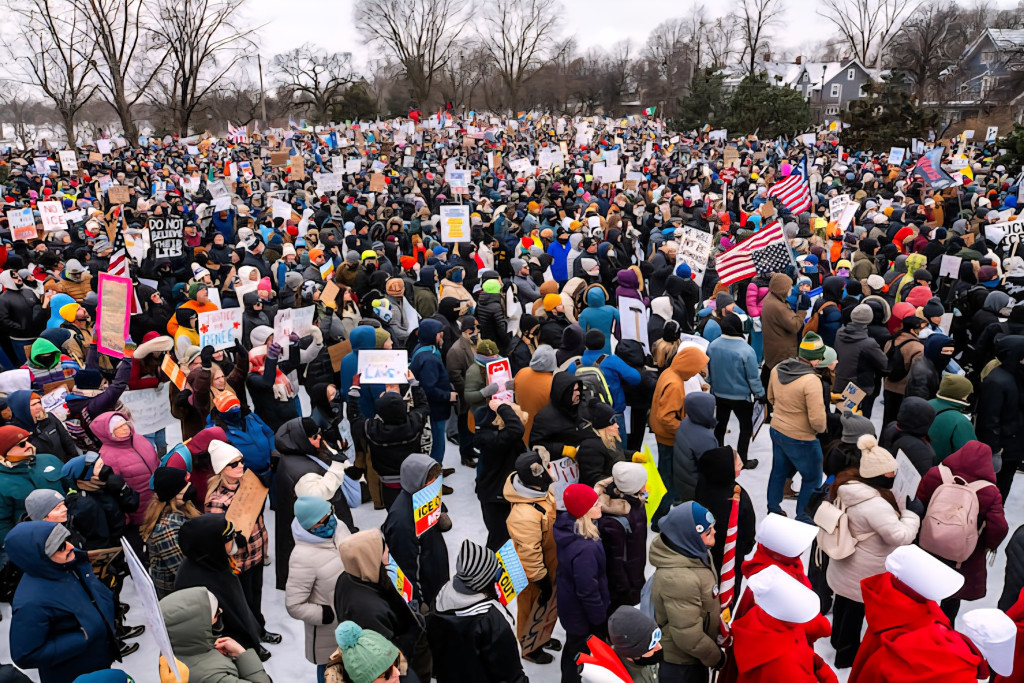
Minneapolis Edges Toward Federal Intervention as ICE Protests Escalate
Minneapolis is moving closer to a situation it has spent years trying to avoid. Activists are increasingly interfering with federal immigration enforcement, protests are spreading, and local leaders are openly warning that continued escalation could bring a heavy federal response.
The latest flashpoint came after an ICE agent fatally shot Renee Nicole Good during a federal operation on Portland Avenue.
Federal officials say the agent fired in self-defense after Good attempted to run over officers. State and city officials dispute that account, citing cellphone videos and witness statements. The FBI has taken control of the investigation and has blocked Minnesota officials from accessing evidence, according to reporting by The Wall Street Journal.
Good was not a random bystander.
Minnesota officials and multiple media outlets report she was part of a civilian ICE watcher network. These groups organize residents to monitor federal agents in real time, warn others of ICE activity, and disrupt arrests through crowd pressure.
ICE watcher networks operate across Minneapolis using Signal chats, text trees, and neighborhood patrols. Some groups use whistles to signal when agents are nearby. Two short blasts mean ICE is present. One long blast signals a detention. Others film agents, block vehicles, or form human chains near schools and apartment buildings. Organizers say the goal is to protect immigrant communities. Federal officials say the tactics interfere with lawful operations and put everyone at risk.
Vice President JD Vance said Good was interfering with a legitimate federal operation and described ICE watcher networks as part of a broader effort to prevent immigration enforcement entirely.
The Department of Homeland Security has repeatedly warned that crowd interference raises the risk of violent encounters, especially when agents are serving warrants tied to gang activity.
DHS confirmed that ICE operations in Minneapolis are tied to a surge targeting organized crime and fraud networks. The Trump administration recently deployed roughly 2,000 federal immigration personnel to Minnesota, one of the largest such operations since Trump returned to office, according to The Wall Street Journal.
The city’s protest infrastructure is extensive. Minneapolis has hundreds of neighborhood alert groups built after the George Floyd unrest. Some Signal chats reportedly include nearly 1,000 members sharing vehicle photos and unverified ICE sightings around the clock. Misidentifications are common. Large black vehicles draw crowds quickly.
Federal agents say that kind of chaos increases the chance of force being used.
Local officials are openly worried about where this leads. Governor Tim Walz urged residents to remain calm and warned against provoking a federal crackdown. He specifically cautioned against giving Washington a reason to invoke the Insurrection Act or deploy federal troops to restore order. His message was blunt.
Escalation brings consequences.
Those consequences are already visible. Minneapolis schools closed for several days following the shooting. Federal buildings are ringed with armed officers. Tear gas has been deployed during clashes. Arrests have been made. Counter-protesters have begun showing up, raising the risk of street violence.
From a law enforcement and military perspective, the pattern is familiar. Civilian groups acting as spotters and disruptors complicate operations that already involve armed suspects. ICE watcher tactics mirror reconnaissance behavior without rules, training. When crowds insert themselves into active enforcement, decision timelines shrink. Mistakes become more likely.
Federal law treats interference seriously. Obstructing federal officers carries felony penalties. Blocking vehicles, surrounding agents, or providing real-time alerts to evade arrest crosses legal lines quickly. DHS officials say continued interference will drive changes in tactics, posture, and force protection.
Minneapolis has been here before. The city knows what it looks like when control slips and outside forces step in. The warning signs are flashing again.
This situation is still unfolding. What happens next depends on whether protests cool or push harder. Federal authorities are watching closely.
Stand by.








COMMENTS