

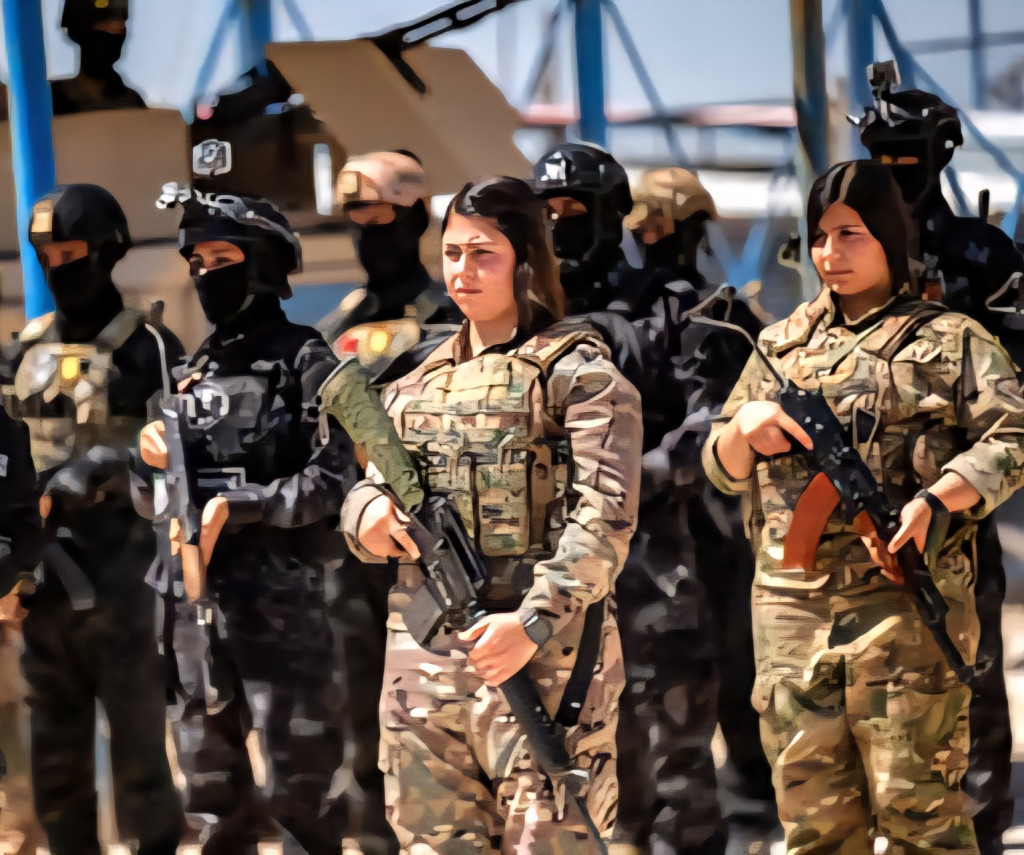
SDF commander Mazloum Abdi confirmed the withdrawal from positions in Aleppo province, including Deir Hafer and Maskanah, describing the move as a goodwill gesture tied to a stalled March 10, 2025, framework aimed at integrating SDF forces into state institutions. The talks were reportedly handled by U.S.-aligned officials working to stop the situation in northern Syria from spiraling.
The ceasefire follows a sharp escalation that began January 11, when Syrian government forces retook the Aleppo neighborhoods of Sheikh Maqsoud and Ashrafiyeh. SDF units evacuated the city and regrouped eastward, clashing with advancing Syrian forces along the eastern Aleppo countryside. Syrian officials said humanitarian corridors allowed more than 4,000 civilians to flee the fighting, while both sides accused each other of ceasefire violations before de-escalation took hold.
U.S. Special Envoy Tom Barrack met with Abdi in Erbil on January 17 as tensions peaked. The SDF accused Damascus of advancing prematurely during talks, while Syrian military officials blamed instability on ISIS remnants and PKK-linked fighters embedded with Kurdish units. Casualties remained limited, though Arab tribal groups publicly welcomed Syrian government advances.
Strategically, the deal establishes the Euphrates River as a de facto dividing line. The Syrian government has renewed calls for SDF integration into a national army structure, while Kurdish leaders continue to demand guarantees on local governance, language rights, and security autonomy.
Analysts say the SDF withdrawal avoids a decisive defeat while preserving control over oil-rich territory in northeast Syria as negotiations continue.
Small Pro-ICE Rally Collapses in Minneapolis as Court Tightens Protest Rules
Multiple videos and media reports show a small pro-ICE rally in downtown Minneapolis collapsing almost as soon as it began, overwhelmed by a much larger counter-protest and unfolding against the backdrop of a major federal court ruling limiting how immigration officers can operate during protests.
The rally was organized by Jake Lang, a pardoned January 6 rioter and far-right activist known for anti-Islam rhetoric. Lang attempted to hold a pro-ICE, anti-Somali event near City Hall and the federal courthouse. Only a handful of supporters showed up. They were quickly surrounded by a much larger crowd of anti-ICE and anti-racist protesters who drowned out the event with chants, signs, and noise.
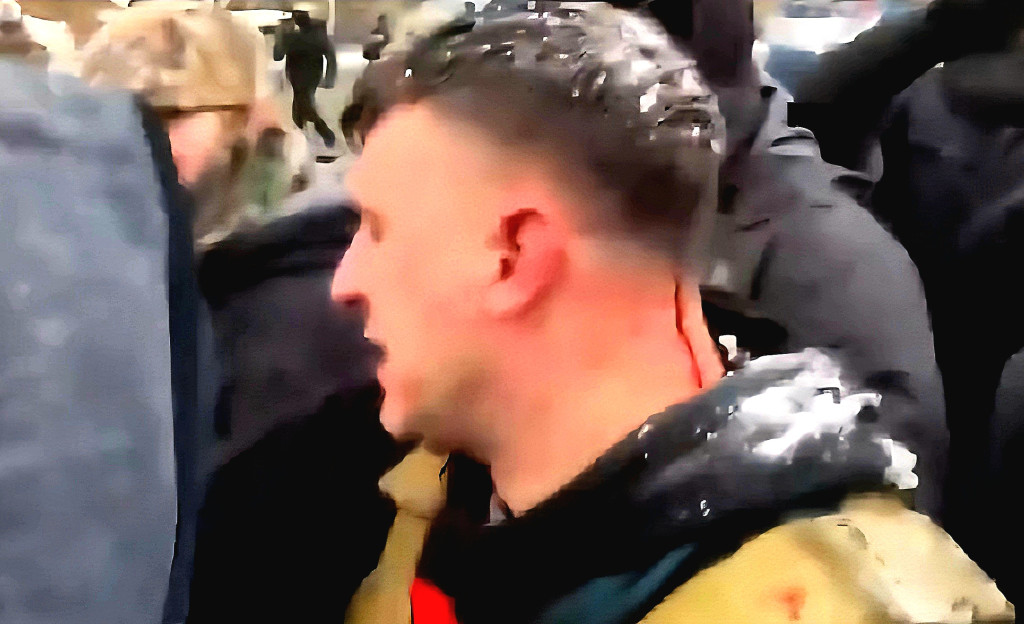
As the crowd pressed closer, protesters threw water balloons, snowballs, and other small objects at Lang and his group. The pressure forced Lang and his supporters to retreat, effectively ending the rally. Lang later claimed online that he was stabbed and saved by a protective vest. Minneapolis police said they had no report of a stabbing and no verified serious injuries tied to the protest.
The confrontation took place amid already high tensions in the Twin Cities. Protests have been ongoing since an ICE officer shot and killed Renee Good, a U.S. citizen, during a neighborhood patrol tied to a large federal immigration surge known as Operation Metro Surge. In a separate incident, another ICE shooting wounded a Venezuelan immigrant. Additional backlash followed the use of tear gas on a vehicle carrying children, which sent three minors to the hospital.
On January 16, U.S. District Judge Kate Menendez issued a preliminary injunction directly tied to those incidents. The ruling places clear limits on ICE and Department of Homeland Security agents operating in Minneapolis during protest activity. In plain terms, agents are barred from arresting or detaining peaceful protesters or observers, such as people filming or standing nearby, unless there is reasonable suspicion of a crime or direct interference with enforcement. Agents are also prohibited from using pepper spray, tear gas, rubber bullets, or similar crowd-control munitions against peaceful protesters or bystanders.
What the ruling does not do is shut down ICE or block enforcement. The judge explicitly preserved federal authority to arrest people who block vehicles, interfere with arrests, damage property, or engage in violence. ICE agents can still enforce immigration law, clear violent crowds, and use force when facing active threats. The order targets retaliation against peaceful observers, not criminals or obstructive protesters.
State officials have mobilized the National Guard as a contingency but have not deployed it. Cold weather and court oversight have cooled crowds since the Lang rally, but the underlying tension remains.
The bottom line is simple. A fringe rally failed because it walked into a hostile environment with no local support. At the same time, the court ruling tightened protest rules without stripping ICE of its core authority, drawing a clearer line between lawful enforcement and unconstitutional crowd control.
Trump Unveils “Board of Peace” to Oversee Gaza Transition After Ceasefire
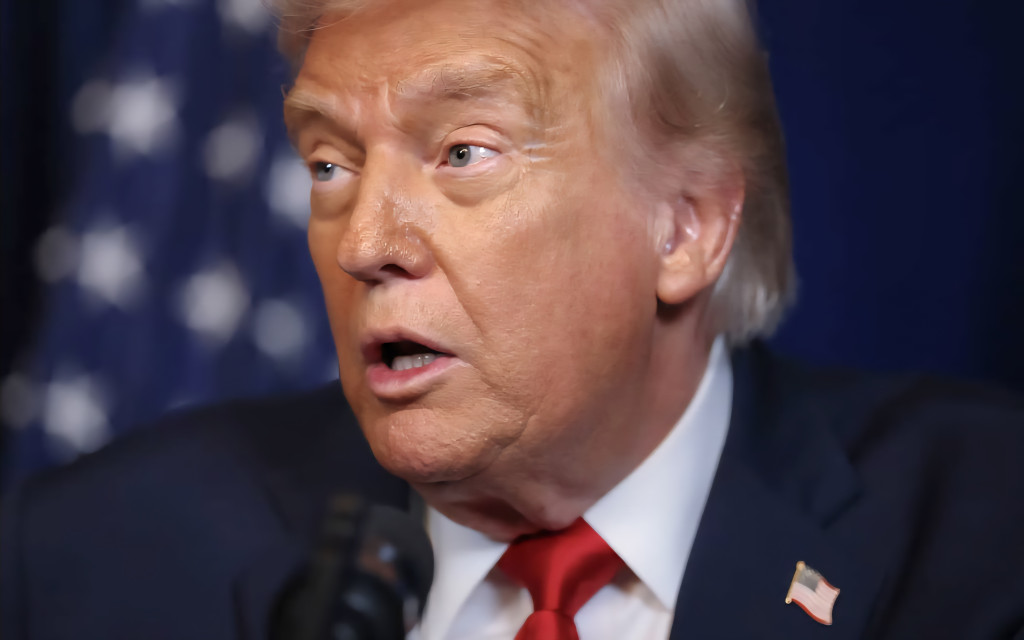
President Trump announced the creation of a U.S.-led “Board of Peace” on January 16, 2026, an international body intended to oversee Gaza’s transitional governance following the October 2025 ceasefire between Israel and Hamas. Trump will chair the board himself, placing several longtime allies and high-profile figures in senior roles.
According to administration officials, the board is designed to manage reconstruction, security coordination, and interim governance while a longer-term political arrangement is negotiated. The structure would operate under a United Nations Security Council framework and work alongside a separate group of Palestinian technocrats tasked with daily administration inside Gaza.
The executive board includes Secretary of State Marco Rubio, U.S. Middle East envoy Steve Witkoff, and Jared Kushner, who played a central role in brokering the Abraham Accords during Trump’s first term.
Former British Prime Minister Tony Blair is also included, along with Apollo Global Management CEO Marc Rowan, World Bank President Ajay Banga, and Deputy National Security Adviser Robert Gabriel. Former UN Middle East envoy Nickolay Mladenov was named High Representative to coordinate with Palestinian technocrats and regional partners.
Trump’s reasoning for the lineup centers on familiarity, deal-making experience, and alignment with U.S. and Israeli security priorities. Kushner and Blair bring prior Middle East negotiation experience. Rubio and Witkoff provide diplomatic and enforcement leverage. The inclusion of major financial and development figures reflects Trump’s view that reconstruction and economic control are inseparable from security outcomes.
A broader Gaza Executive Board includes representatives from Turkey, Qatar, Egypt, and the United Arab Emirates, as well as European and Israeli-linked figures. That composition has drawn objections from Israel. Prime Minister Benjamin Netanyahu’s office said the board was not coordinated with Jerusalem and conflicts with Israeli policy, particularly over the inclusion of Turkey and Qatar and the use of Palestinian technocrats outside direct Israeli control.
Critics have also pointed to the lack of direct Palestinian political representation at the top level, calling the structure externally imposed. Administration officials counter that the model avoids empowering armed factions while keeping reconstruction funds and security under centralized oversight.
The announcement comes amid continued ceasefire violations and ongoing civilian casualties in Gaza since October. Trump has framed the board as a stopgap authority aimed at preventing a security vacuum, limiting Hamas’ ability to reconstitute, and keeping regional powers invested in postwar stability. Whether it can operate without Israeli buy-in remains the central unanswered question.








COMMENTS