

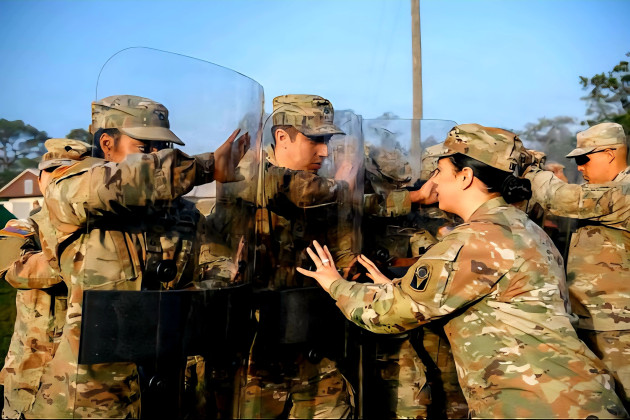
The alert follows previous instructions to hundreds of additional active‑duty personnel and echoes the posture the Pentagon took in 2020, when military police were readied amid major civil unrest in multiple U.S. cities.
When a president starts talking about invoking the Insurrection Act, the Pentagon starts building a force package behind the scenes, even if the decision is later walked back.
For SOFREP readers, the Guard activation is a classic example of a state governor preparing to contest federal overreach with its own disciplined, state‑loyal forces, while trying to keep the violence from spiraling into a full‑fledged civil order crisis.
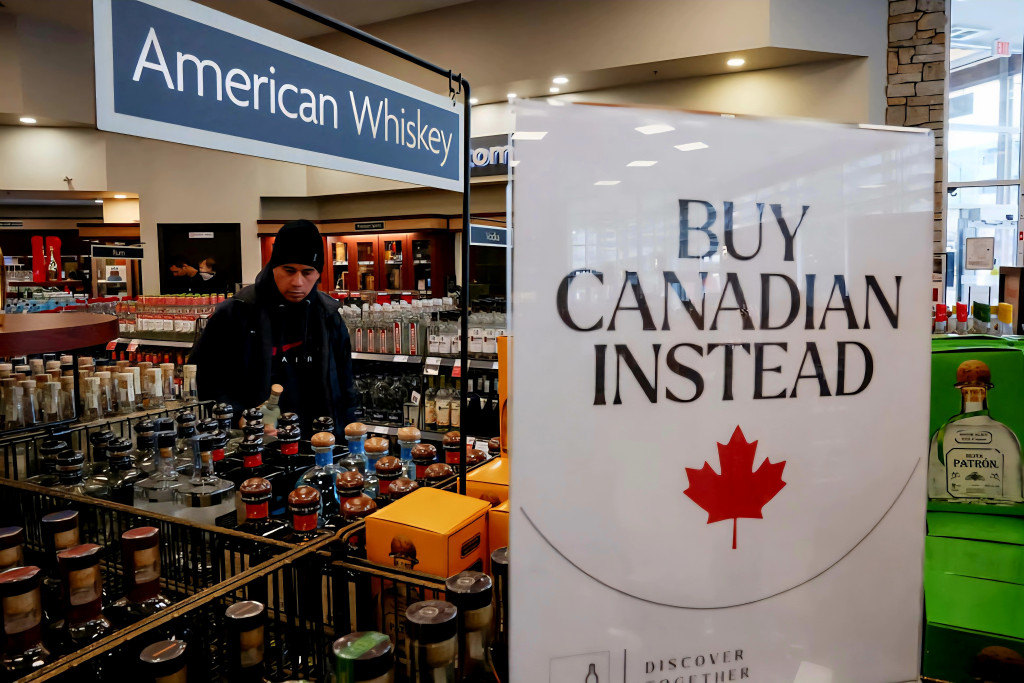
Trump Threatens 100% Tariff on Canada Over China Trade Deal
On January 24, 2026, President Donald Trump threatened to impose a 100 percent tariff on all Canadian imports if Prime Minister Mark Carney proceeds with a trade agreement with China, calling the deal a major national threat to the U.S. economic order.
In a post on Truth Social, Trump wrote that if Canada acts as a “Drop Off Port” for Chinese goods entering the United States, it would “immediately be hit with a 100% Tariff against all Canadian goods and products coming into the U.S.A.” He warned that closer ties with China would allow Beijing to “eat Canada alive,” destroying its businesses, social structure, and way of life.
The threat follows a preliminary agreement Canada reached last week with China to lower tariffs on Chinese electric vehicles in exchange for China reducing tariffs on Canadian agricultural products such as canola, lobster, and peas. Under that deal, Canada will allow up to 49,000 Chinese EVs into its market each year at a preferential rate of roughly 6 percent, down from 100 percent.
Trump’s warning reverses comments he made less than a week earlier, when he told reporters that Carney “should pursue” a deal with China and called it “a good thing” for him to sign a trade deal with Beijing.
Trump’s latest tariff threat is widely seen as a blend of economic leverage and political retaliation, coming just after Carney’s speech at the World Economic Forum in Davos, where he criticized great powers for using tariffs, economic integration, and supply chains as tools of coercion without naming the U.S. explicitly.
Canadian officials have responded by noting that Ottawa is not pursuing a free trade agreement with China and is instead strengthening its Partnership with the United States, even as the threat of unilateral, across‑the‑board U.S. tariffs now hangs over the relationship.
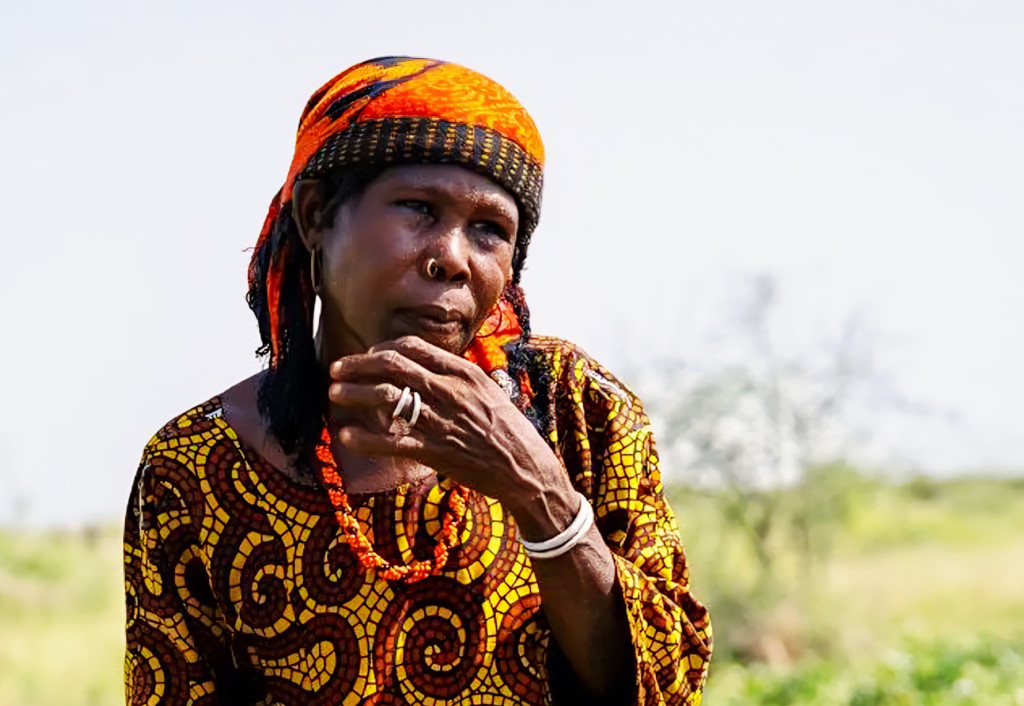
Nigeria’s Military Assures Farmers of Safety, But the People Know the Truth
The Nigerian military has once again promised farmers that it will protect them, that security forces are holding territory, clearing bandit hideouts, and opening “safe corridors” so planting can resume in long‑abandoned areas. On paper, it sounds like progress: offensives have killed or arrested senior bandit commanders, seized weapons, and driven armed groups from some key zones. The message from Abuja and the Army is clear – go back to the fields, the government is restoring security so Nigeria can feed itself.
On the ground, that assurance is widely seen as convenient lip service, not real safety. Across the northwest and much of the Middle Belt, bandits still operate with near‑impunity, hitting villages, burning crops, and kidnapping farmers and their families on a regular basis. Army positions are often concentrated around towns and major roads; the fields themselves are still exposed, and patrols are neither constant nor reliable. Most farmers know that a military sweep through an area may buy them a few weeks of peace, but not the sustained security needed to plant, tend, and harvest without fear.
In places like Kaduna, Niger, Zamfara, and Benue, locals explain it plainly: soldiers come after a massacre, stay a few days, then move on – the bandits wait them out and return. The same is true in the northeast, where Boko Haram and ISWAP still attack communities and farms even as the Army declares areas “cleared.” The military’s message of protection is real policy, not pure propaganda, but it exists in the gap between orders from the top and the brutal daily reality in the countryside.
For the average Nigerian farmer, the Army’s “assurances” mean the state is finally acknowledging the crisis, not that the danger is gone. The people are not fooled, they see the parades, the press releases, and the promises, but they still sleep with machetes nearby and keep their children close.
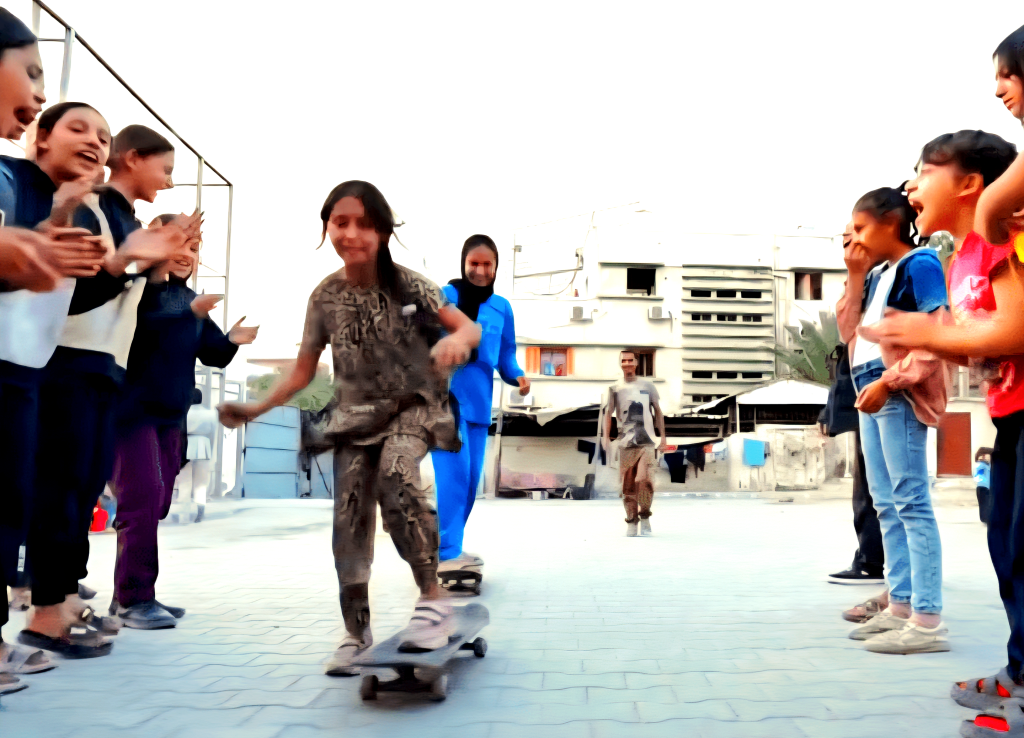
Skate for Survival: How Skateboarding Is Building Hope in Gaza, Uganda, and Nigeria
Across war‑torn Gaza, struggling communities in Nigeria, and impoverished neighborhoods in Uganda, a quiet movement is using skateboards and concrete parks to give young people a safe place to be, to heal, and to belong. These programs are not a single global chain, but a network of local groups, loosely connected by shared donors and the simple idea that a skateboard can be a lifeline.
In Gaza, groups like Gaza Skate Team and the Palestine‑based nonprofit SkatePal run free skate lessons in displacement camps and on rubble, offering traumatized children a rare moment of normalcy and freedom. In Uganda, the grassroots Uganda Skateboard Society built a concrete park in Mukono, giving hundreds of kids a safe space while running school support and leadership programs. In Nigeria, wafflesncream and the Nigeria Skateboarding Foundation are creating skate culture from the ground up, with WAF Skatepark in Lagos as a hub for youth development and empowerment.
These groups are all looking for the same things: donations of boards, trucks, wheels, and safety gear, plus cash to fund park maintenance, school programs, and mental health support. They also need skilled volunteers – builders, coaches, and organizers – and long-term partners who can help train local leaders.
While each group is independent, they are all part of a broader “skate for good” ecosystem supported by international orgs like The Skatepark Project, SHAPE Skate Foundation, and Goodpush, which provide funding, gear, and training to help keep youth off the streets and connected to a positive community.








COMMENTS