


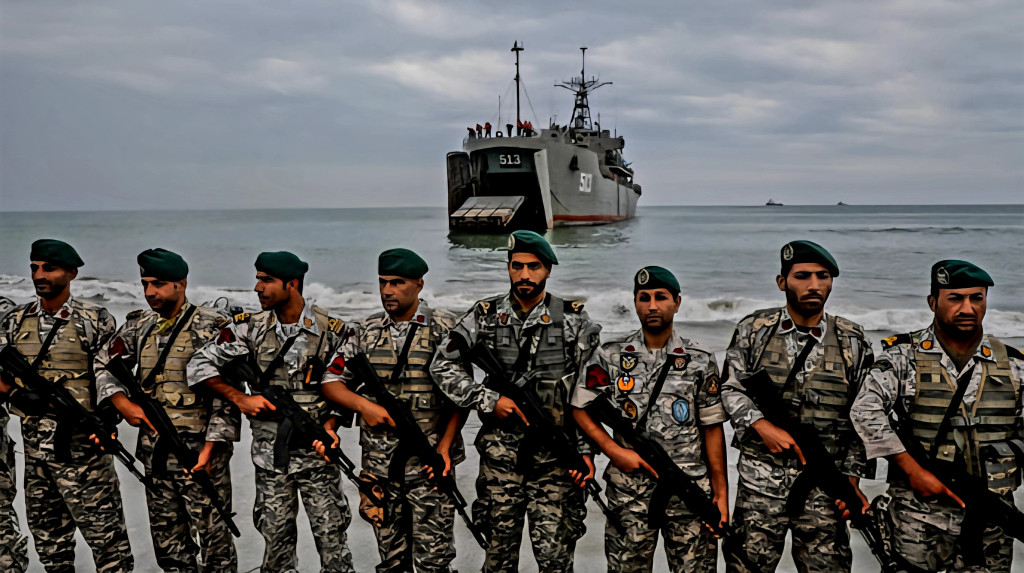
IRGC commanders and Foreign Minister Abbas Araghchi give strong warnings. They say even a small U.S. or Israeli hit means full revenge on our bases, Israel, and the Strait of Hormuz shipping lane.
President Trump fights back by sending Navy groups to the area. His plans target Iran’s nukes and top leaders.
So does Tehran’s big talk match real power?
Weak at Home
Iran’s army struggles with 4,500 protester deaths and a wrecked economy. GAMAAN polls show 80 percent of citizens want regime change. Protests chant against Khamenei, not America.
U.S. action could spark a nationwide uprising.
Missile Threat
Iran has 3,000 ballistic missiles like Fattah hypersonics and Sejjil MRBMs with 2,000km range. These threaten Israel and U.S. bases in Qatar and Bahrain.
But U.S. and Israeli defenses work well. Patriot, THAAD, and Arrow systems stop 90 percent of missiles. In October 2024, two-hundred incoming missiles caused little damage. Hezbollah’s 150,000 rockets could add pressure, but not change the game.
Houthi Shipping Risk
Iran’s Houthi allies in the Red Sea cut Suez Canal traffic by 60 percent in 2025. U.S. Navy escorts and airstrikes reduced attacks from 150 in 2024 to just seven last year. A new wave might raise oil prices 50 percent for a short time. Carrier planes and Aegis ships easily stop drone swarms. There were no tankers sunk since 2025.
Other Risks
Iraqi militias and Hezbollah could attack bases. Drones might hit buildings. Cyber attacks could cause trouble.
Iran could enrich uranium to bomb-grade in weeks. But they lack missiles to deliver it. In a full war, U.S. air power would crush the IRGC in days.
Big talk hides weakness. Iran will lose people and money. If we strike key targets to support the 80 percent, the regime will fall. In war’s fog, strength wins.
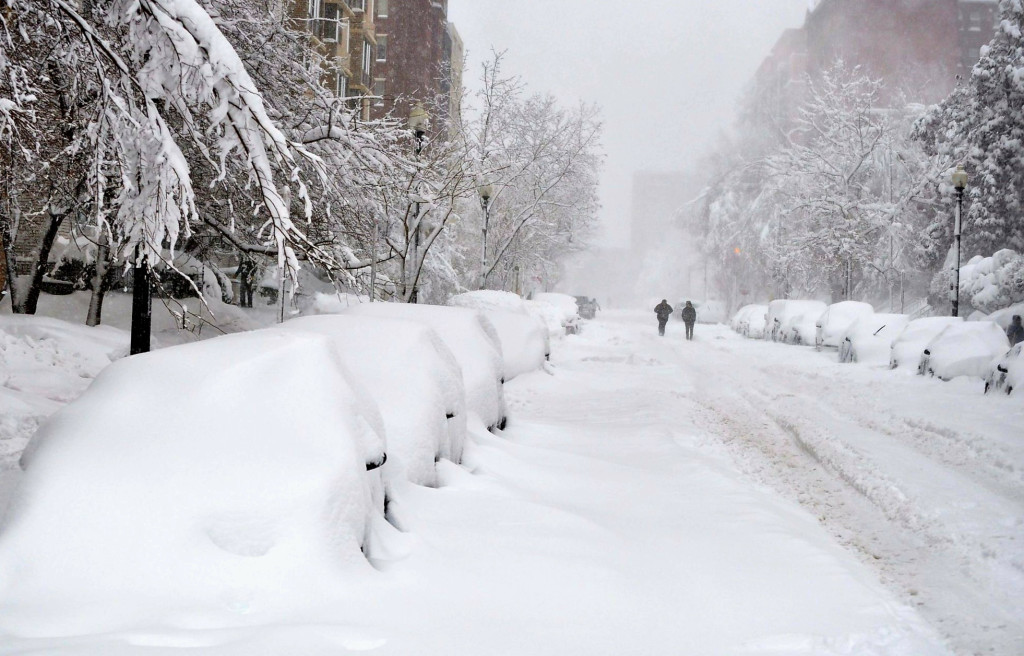
Winter Storm Fern Batters East Coast: 1.2M Powerless, More Snow Ahead
Winter Storm Fern is slamming the eastern U.S. with heavy snow, ice, and bitter cold this weekend. As of Sunday morning, January 25, 2026, over 1.2 million customers remain without power from outages caused by ice buildup snapping lines in the South and Midwest.
Current Status
The storm formed January 22 off Baja California and intensified over the Plains by Friday. It has already dumped 6-12 inches of snow in Appalachia and Midwest spots like Pittsburgh and Cleveland. Sleet and freezing rain coat the South from Dallas to Charlotte, with ice accumulations up to 0.75 inches in places like Greenville, SC. Wind chills plunge to -20°F or lower across 190 million people under alerts from New Mexico to Maine.
States of emergency are active in Louisiana, Indiana, Tennessee, Kentucky, Connecticut, and more. Travel is nearly impossible; flights canceled at major hubs.
Power Outages
Hardest hit: North Carolina (450k out), Tennessee (300k), Virginia (200k), per utility trackers. Entergy and Duke Energy report widespread downed lines from ice weight. Restoration could take days in rural areas as subzero temps hinder crews.
East Coast Outlook
More pounding ahead. Snow ramps up Sunday into Monday: 10-18 inches forecast for Philly to Portland, Maine; wintry mix adds 6-10 inches around DC and Baltimore. Ice storm lingers South through Tuesday. Total impacts: catastrophic travel, prolonged outages, life-threatening cold. Peak ends Monday night, but arctic air locks in.
Stay indoors. Prep for blackouts.
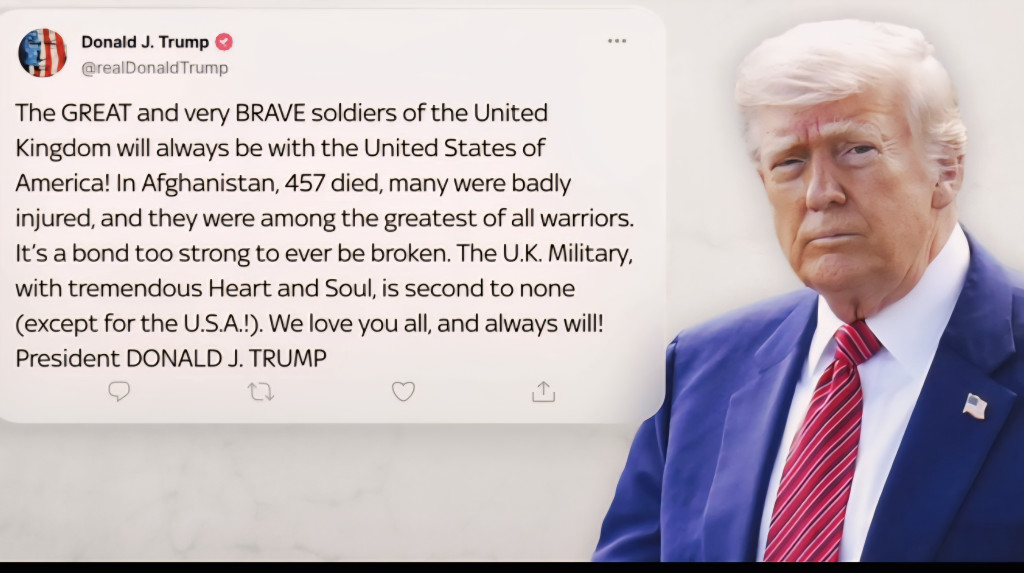
President Trump Highlights Unbreakable U.S.-UK Military Bond After Afghanistan Remarks
President Donald Trump reaffirmed the deep alliance between U.S. and British forces on January 24, 2026, praising UK troops as “among the greatest of all warriors” in a Truth Social post. Without retracting or apologizing for earlier comments on NATO roles in Afghanistan, he honored the 457 British service members killed there, plus those severely injured, noting their “tremendous heart and soul” stands second only to America’s own.
Context of Remarks
Trump’s post followed a Fox Business interview at Davos where he questioned NATO allies’ front-line contributions, stating U.S. forces bore the brunt. British PM Keir Starmer called it “insulting and appalling,” echoed by veterans and Prince Harry. A Saturday call between leaders addressed shared sacrifices in the post-9/11 coalition, where NATO invoked Article 5 for the first time – UK troops formed the largest non-U.S. contingent at 150,000 served.
Praise for UK Forces
Trump wrote: “The GREAT and very BRAVE soldiers of the United Kingdom will always be with the United States of America! It’s a bond too strong to ever be broken.” He saluted their Afghanistan valor alongside 2,460 U.S. losses, French (90), Canadian (150+), and Danish (44) troops. Downing Street readout stressed mutual heroism: “We must never forget their sacrifice.”
Strategic Implications
For DoD personnel, this reinforces the Five Eyes intel-sharing and joint ops bedrock. Trump’s pivot underscores alliance value amid Arctic security talks and Ukraine aid. UK Veterans Minister Alistair Carns, a five-tour Afghan vet, welcomed the nod despite initial furor. Expect tighter U.S.-UK coordination as global threats mount.
No daylight between warriors who’ve bled together.








COMMENTS