

Training and Operations
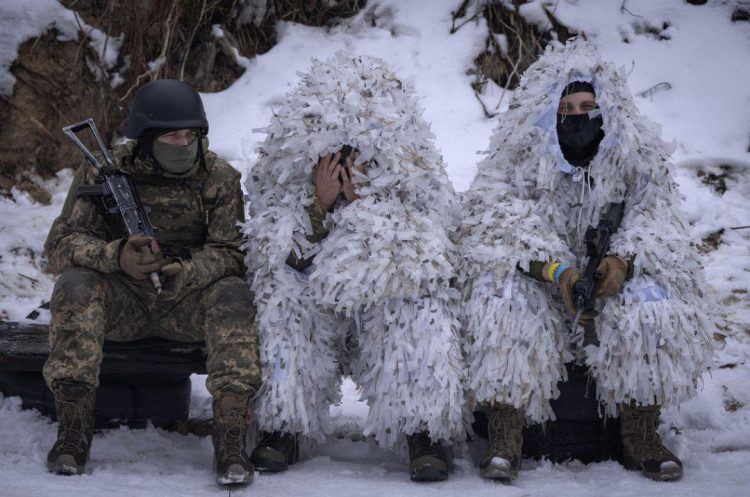
Based near Kyiv, the Siberian Battalion has undergone extensive training to prepare for combat operations. In October 2023, members participated in military exercises designed to enhance their combat readiness and cohesion.
The battalion has actively engaged in operations alongside other anti-Kremlin groups, such as the Freedom of Russia Legion and the Russian Volunteer Corps. In March 2024, these groups launched cross-border incursions into Russia’s Belgorod and Kursk regions, marking a significant escalation in their activities. The Siberian Battalion’s involvement in these operations underscores its commitment to challenging Russian military forces directly.
Leadership
The battalion is led by Vladislav Ammosov, a former officer of the Russian Main Intelligence Directorate (GRU) from Yakutia (Sakha Republic). Ammosov’s military career includes participation in both the First and Second Chechen Wars. Disillusioned by Russia’s annexation of Crimea and the war in Donbas, he left the Russian military, viewing these actions as signs of the empire’s decline. Following Russia’s invasion of Ukraine in February 2022, Ammosov saw an opportunity for Siberia to gain independence and decided to fight alongside Ukraine. He now serves as the commander of the Siberian Battalion.
Challenges and Risks
Operating as a unit of Russian defectors within Ukraine presents inherent challenges and risks. Members face the possibility of severe reprisals from Russian authorities, including charges of treason and threats to their families. Additionally, the battalion must navigate the complexities of integrating into Ukrainian military structures while maintaining its distinct identity and objectives.
The battalion’s activities have drawn the ire of the Kremlin, which has labeled its members as traitors and terrorists. Russian state media has portrayed the group as a tool of Western intelligence agencies, aiming to undermine Russian sovereignty. These narratives serve to delegitimize the battalion’s efforts and dissuade potential recruits.
Impact and Implications
The Siberian Battalion’s formation and operations have significant implications for the broader conflict and the internal dynamics of Russia. Its existence challenges the Kremlin’s narrative of national unity and exposes underlying ethnic and regional tensions within the Russian Federation.
By aligning with Ukrainian forces, the battalion contributes to the diversification of Ukraine’s military capabilities and underscores the international dimension of the conflict. Its cross-border operations into Russian territory signal a bold strategy to destabilize the Kremlin’s control and inspire dissent among Russian citizens.
The battalion’s emphasis on self-determination resonates with other ethnic minorities in Russia, potentially inspiring similar movements seeking autonomy or independence. This development could lead to increased internal pressure on the Russian government and complicate its efforts to maintain control over its vast and diverse territories.
Summation
The Siberian Battalion is a powerful symbol in the Russo-Ukrainian war. Made up of Russian defectors and ethnic minorities, it directly challenges the Kremlin’s power while fighting for self-determination. As the war goes on, the battalion’s actions and what it stands for could have a big impact on the region and shake up Russia’s grip on its own diverse territories.








COMMENTS