

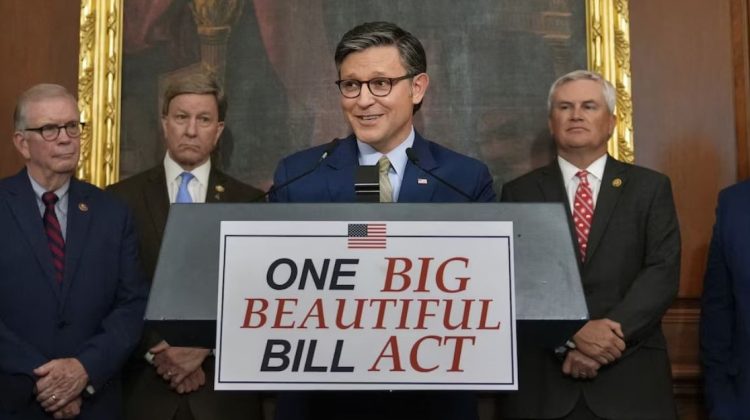
To make matters worse, the bill still counts BAH as income when calculating SNAP eligibility. That means some service members are denied food assistance simply because they’re getting housing support, which is insane. It’s like giving someone a raincoat and then docking their pay because they didn’t get wet.
On the education front, the bill takes a swing at the 90/10 rule—the regulation that prevents for-profit colleges from soaking up too much federal aid. If that rule gets repealed, you can bet your boots those shady diploma mills will be lining up to bleed dry every GI Bill dollar they can get their hands on. Both active troops and vets looking to get a real education after service could get stuck with worthless degrees and empty wallets.
Bottom line: the Big Beautiful Bill throws some much-needed cash into the right places—health care, housing, child support—but it also sticks a knife in programs that military families rely on to get by. It’s a sugar rush followed by a gut punch. Now the Senate gets its say, and let’s hope they do right by the people in uniform instead of just throwing red meat to the base.
Veterans on the Chopping Block: Healthcare and Education at Risk
Alright, let’s cut through the noise. Trump’s magnum opus is steaming through Congress like a convoy with no brakes. And while some folks are popping champagne over tax cuts, veterans might want to hold off. This bill has a couple of poison pills tucked inside the wrapping paper, especially for those who’ve already hung up the uniform.
Again, there’s the repeal of the 90/10 rule. It affects both vets and active duty troops. Now, unless you’ve been neck-deep in higher ed policy (and God bless you if you have), here’s the short version: the 90/10 rule kept for-profit colleges from getting 100% of their revenue from federal aid. GI Bill money didn’t count in that 90%, so these shady schools would go after veterans like heat-seeking missiles—promise the world, deliver a dud degree, and laugh all the way to the bank. That loophole got shut in 2023, finally giving veterans a bit of protection. Now the Big Beautiful Bill wants to yank that safety net out from under us and toss it in the shredder. If this passes, those con artists will be back in business before the ink’s dry.
Then there’s the assault on food assistance. The bill guts federal funding for SNAP and dumps the burden on the states. If your state can’t—or won’t—pick up the slack, you’re out of luck. No more EBT, no more food stamps, just empty shelves and even emptier stomachs. And yeah, veterans use SNAP. Plenty of them. And depending on what state you live in, the damage could be a paper cut or a gut punch. It’s a cruel lottery with your dinner on the line.
The bill does toss some money into quality-of-life upgrades, but let’s be real—most of that $8.5 billion is earmarked for active-duty troops. Better barracks, more healthcare funding, child-care help—the kind of stuff that keeps the machine running. Veterans might see some trickle-down benefits from improved healthcare access, but don’t expect a windfall. We’re not the target audience here.
As for the tax cuts, they’re being billed as the biggest gift to the middle class since sliced bread. If you’re a vet with a modest income, you might catch a break—maybe a few extra bucks in your paycheck. But the cuts aren’t designed with veterans in mind. If you benefit, it’s more luck than legislation.
Here’s the deal: this bill is a double-edged sword. There’s some shine on the surface, sure, but dig a little deeper and you’ll find landmines—especially for veterans who’ve already taken their turn in the mud. Between the education rollback and food aid cuts, it’s hard not to feel like we’re being left behind. The Senate still has a chance to fix it. Let’s hope they remember who they’re supposed to be fighting for.
The Fiscal Fallout: Debt and Deficits
The Congressional Budget Office estimates that the bill could add over $2.3 trillion to the national deficit over the next decade. This surge in debt could trigger automatic cuts to programs like Medicare, further jeopardizing veterans’ healthcare. While the bill’s proponents argue that economic growth will offset these costs, critics warn of a looming fiscal crisis.
Proceed with Caution
The “Big Beautiful Bill” offers some benefits to veterans and active-duty military personnel, such as improved living conditions and tax breaks. However, these come at the cost of significant cuts to essential services like healthcare and education. As the bill moves to the Senate, it’s crucial for lawmakers to consider the long-term implications for those who have served our country.








COMMENTS