

Then-Secretary of State Henry Kissinger wanted to formalize relations with the People’s Republic of China, which had strayed from its relationship with the USSR after the Sino-Soviet Split. Relations could not be normalized unless several conditions were made—Washington had to recognize the PRC over Taiwan (ROC) and give support to Pakistan over India, which the latter was a pro-Soviet state.
Not only was Taiwan’s international status de-platformed, but the US became interested in Pakistan’s brutal history, such as the Bangladeshi Genocide and their backing of hardline Islamic militants. The US would also quietly support the Khmer Rouge alongside China, further damaging the American reputation during the Cold War.
The People’s Republic of China would become a juggernaut and ultimately the biggest adversary of America today. Now, the country the US helped prop up to become a second front to the Soviet Union is Washington’s most significant geopolitical threat.
Backing Saddam
In the aftermath of the Iranian Revolution, which saw the overthrow of the American-friendly Shah and US diplomats held hostage for 444 days, the new Islamic Republic became the most significant geopolitical threat to Washington in the region. Tensions ran high as the Mullahs wanted to export their revolution to other nations, posing a direct threat to US allies and forces directly. One such nation was Lebanon, where the Iranian-created militia, Hezbollah, blew up the Marine Barracks and US embassy during the Lebanese Civil War.
Saddam’s Iraq was a Sunni-dominated Baathist dictatorship, which was ideologically different from the Islamic Republic. When Saddam invaded Iran, this was an opportunity for the US government to get revenge on Iran potentially.
Saddam was backed and funded by various nations, including the United States. Donald Rumsfeld had personally met Saddam to advise and assist their military. The war was vicious with human waves tactics, chemical weapons usage, numerous instances of torture, and over one million people were killed on both sides. The war ended in the same status quo as the beginning, with Iran and Iraq worse off than before.
Despite the frozen conflict, Saddam gained a reputation for being the most feared tyrant in the region. He would later declare war against Kuwait and threaten Saudi Arabia and Israel. The Baathists would be on the CIA’s radar for years, ultimately leading to one of the worst foreign policy decisions in US history.
The War In Iraq
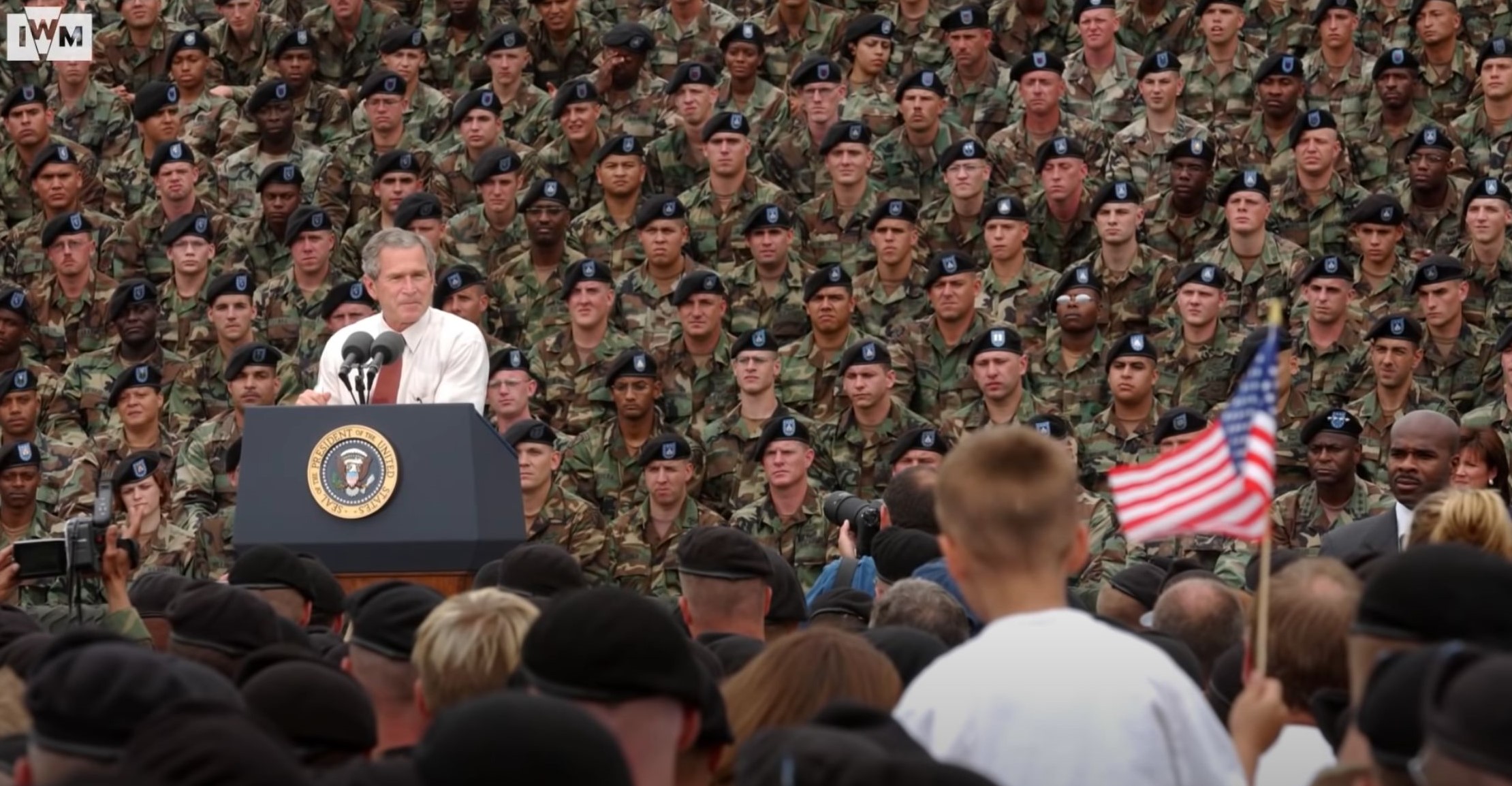
The US invasion of Iraq has had lasting and damaging consequences on American foreign policy, more so than the Vietnam War. Under the guise of removing Saddam due to his “WMDs” and “connections to al-Qaeda,” both pretexts fell flat on the global stage only a few months after the initial push.
The initial invasion goals were successful—Saddam was captured, and the Baathists were overthrown, but it became apparent Washington had no clue on how to nation-build. Disbanding the Iraqi army, the one force necessary to keep the country from becoming a powder keg, was a grave mistake. Social services faltered, and sectarianism rose—the perfect equation for militant groups.
Al-Qaeda in Iraq fought American troops extensively during the powder keg, and Iran gained a foothold in the nation. Sunni and Shiite militant groups frequently clashed, and the death toll climbed dramatically. Iraq’s destabilization affected other countries in the region as al-Qaeda in Iraq morphed into the notorious ISIS militant group later on.
Operation Cyclone
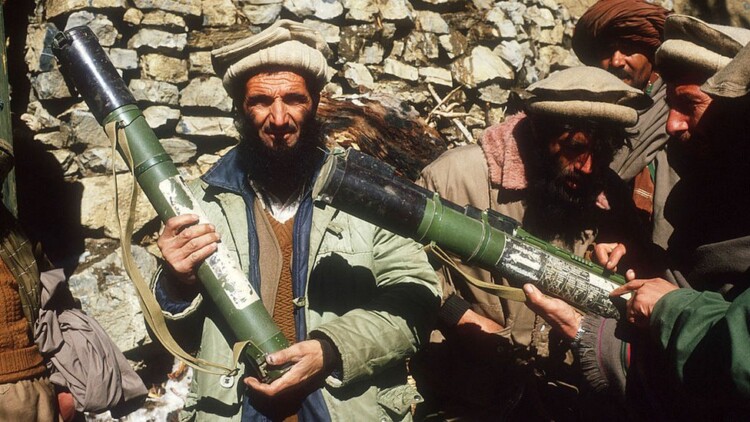
Arguably the most controversial blowback came from the aftermath of Operation Cyclone. The operation occurred at the height of the Soviet-Afghan War. The CIA, Pakistani, Saudi, and Chinese intelligence would funnel weaponry to the Mujahideen in Afghanistan against the Red Army.
Many of the recipients of Cyclone were not adequately vetted, and some of those trained would later become hardline Islamists. Some of those trained and armed included Gulbuddin Hekmatyar and Osama Bin Laden—both men who ran militant groups that fought against American forces later on.
Bin Laden himself would become disenfranchised by the United States and use Afghanistan as a base to launch attacks against Americans, with the most infamous being the September 11th Attacks. The attacks would lead to America’s longest war in history and the overall Global War on Terrorism that has affected hundreds of millions of people.
Operation Cyclone and its consequences ultimately set the stage for reviewing other potential training and arming missions in the region. Several decades later, the financial backing of Syrian rebels, some of which had ties to al-Qaeda, would also come under criticism.
Overall, risky foreign policy decisions can result in not only negative international feedback but also blowback against the national security apparatus as well. Though the country continues to go through geopolitical shifts, it is of the utmost importance to mitigate these types of risks and blowback that could be detrimental to the United States.
—
**To learn more on this fascinating topic, click here.








COMMENTS