The Civil War remains one of the most tumultuous periods in American history, characterized by deep national divisiveness and a lack of unity that resulted in tremendous loss and suffering. While the reasons for today’s divisiveness may differ, the detrimental outcomes for Americans effectively echo the past. In this context, the philosophy, approach, and personal attributes of leaders become critically important. Effective leadership grounded in unity and integrity is essential for bridging divides, fostering a sense of shared purpose, and guiding the nation through challenging times.
Leadership remains a hallmark of effective governance, influencing the social, political, and moral fabric of a nation. The contrasting leadership principles of Abraham Lincoln and Donald Trump manifest profoundly in their core values, approaches to governance, and personal conduct. Lincoln is often heralded as a transformational leader whose emphasis on unity, integrity, and rule of law defined an era of tumult and division. Conversely, Trump’s style is characterized as transactional and personalistic, prioritizing themes of dominance, loyalty to self, and an “America First” narrative.
This article explores the fundamental differences between these two leaders in their approaches to national unity, respect for institutions, communication styles, accountability, empathy, and their views on the presidency. The importance of leadership philosophy, approach, and personal attributes cannot be overstated. Effective leaders who prioritize unity, empathy, and a commitment to the common good can help navigate our contemporary divides in a manner reminiscent of Lincoln’s efforts during his presidency. As Americans continue to grapple with the complexities of division, a renewed commitment to principled leadership has the potential to forge a path toward healing and cohesion, ensuring a brighter future for all.
National Unity vs. Division
At the core of Lincoln’s leadership was a deep commitment to national unity. In the face of the Civil War, he dedicated himself to “bind up the nation’s wounds” and appealed to “the better angels of our nature.” By actively seeking collaboration across political divides, he famously included rivals in his cabinet, recognizing the value of diverse perspectives in addressing national crises. His approach was rooted in the belief that unity was necessary to heal a fractured nation.
In stark contrast, Trump’s leadership often leans towards division. Throughout his presidency, he utilized language that polarized the electorate, appealing primarily to specific segments of the population while neglecting broader national discourse. His demands for personal loyalty from officials creates an environment where dissent and alternative viewpoints are discouraged, contributing to an atmosphere of discord rather than cooperation. This divisive approach not only deepens existing fissures in American society but also undermines the principles of collective governance that Lincoln championed.
Respect for Institutions
Lincoln’s approach to governance was deeply grounded in respect for the republic and democratic institutions. He believed in the rule of law, the Constitution, and the importance of coequal branches of government. Lincoln navigated the complex political landscape of his time by working through established processes to enact change, demonstrating a commitment to maintaining the integrity of democratic governance.
Conversely, Trump often challenges the very institutions that underpin American democracy. His presidency is marked by confrontations with the free press, the judiciary, and established norms. By questioning the legitimacy of electoral processes on January 6th and resorting to tactics aimed at overturning democratic norms, Trump’s approach raises concerns about the erosion of institutional respect and the potential for authoritarian tendencies within the executive branch. This stark contrast highlights the fundamental differences in how each leader viewed their role within the framework of American democracy.
Communication Style
Lincoln was renowned for his thoughtful, eloquent communication. His speeches and writings—rich in moral depth and reasoned argument—were crafted to inspire and unite the nation during its darkest hours. Through oratory, he articulated a vision for America that appealed to a common purpose and collective aspiration.
In contrast, Trump’s communication style is marked by off-the-cuff remarks and a blunt, personal touch. He often utilized social media and campaign rallies to bypass traditional media channels, directly engaging with his base in a manner that favored immediacy over deliberation. This directness, while effective in mobilizing support among his followers, often eschewed the depth and gravitas characteristic of Lincoln’s rhetoric, contributing to a political discourse that frequently prioritized sensationalism over substantive dialogue.
Accountability
Lincoln earned the moniker “Honest Abe” through his willingness to acknowledge errors and embrace a standard of accountability in his leadership. He was frequently open to persuasion by facts and reason, reflecting a sincere commitment to truth as a guiding principle in his governance.
In direct contrast, Trump has often been noted for making numerous false or misleading statements. His tendency to oppose unfavorable facts by labeling them as “fake news” or “alternative facts” highlights a significant lack of accountability. This divergence underscores a critical aspect of leadership: the willingness to own mistakes and adhere to a standard of truthfulness, which was a hallmark of Lincoln’s legacy.
Already have an account? Sign In
Two ways to continue to read this article.
Subscribe
$1.99
every 4 weeks
- Unlimited access to all articles
- Support independent journalism
- Ad-free reading experience
Subscribe Now
Recurring Monthly. Cancel Anytime.
Empathy and Compassion
Empathy and compassion were defining features of Lincoln’s leadership style. This is poignantly captured in his second inaugural address, where he called for “malice toward none; with charity for all.” Lincoln demonstrated a profound understanding of the human condition, emphasizing healing and reconciliation during a time of unprecedented strife.
Conversely, Trump has faced widespread criticism for a perceived lack of empathy. His leadership style often employed personal insults and ridicule directed at opponents and critics, which not only alienated many individuals but also fostered a culture of animosity. This lack of compassion detracted from the type of inclusive, healing leadership that Lincoln exemplified, showcasing a stark contrast in how each leader related to the American populace.
View of the Presidency
Lincoln viewed the presidency as a solemn duty, focusing on the preservation of the Union and the defense of the Constitution, even if it cost him personally. His leadership was characterized by a sense of obligation to the greater good rather than personal ambition or wealth.
Trump’s presidency, on the other hand, has often been framed through the lens of personal brand and business interests. Accusations of leveraging the presidency for personal gain and frequently comparing himself to predecessors—including Lincoln—underscore a different understanding of the role. This transactional view of the presidency contrasts sharply with Lincoln’s selfless commitment to public service and constitutional fidelity.
Conclusion
In conclusion, the leadership principles of Abraham Lincoln and Donald Trump exemplify fundamentally different ideologies regarding governance, national unity, and personal conduct. Lincoln operated from a framework of public service, emphasizing empathy, institutional respect, and accountability, while Trump exhibited a more transactional, populist approach centered on personal power and division. The legacies of these two leaders provide crucial insights into the enduring nature of American governance and the potential paths the nation may take as it navigates the complexities of leadership in the contemporary era. Ultimately, the comparisons drawn from their contrasting leadership styles serve to highlight the importance of integrity, unity, and service in the role of the presidency.
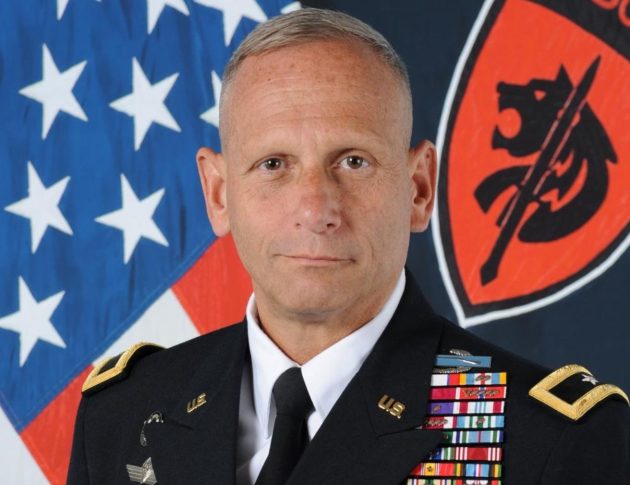
Donald C. Bolduc










COMMENTS