Op-Ed

The Bolduc Brief: Europeans Rightly Push Back Against Trump on Iran

Europe isn’t reacting out of emotion but out of necessity, because when the United States abandons coordination, clarity, and respect for its allies, it doesn’t project strength, it creates instability that our adversaries are quick to exploit.


In the realm of international relations, few recent issues have revealed the fractures in global diplomacy as starkly as the Trump administration’s approach to Iran. The reaction from European leaders has been both swift and resolute, not merely as a reflexive defense of their priorities but as a legitimate stance rooted in the principles of collaboration and mutual respect. The absence of consultation prior to significant policy shifts regarding Iran, followed by insults aimed at longtime allies, has understandably raised alarms in Europe.

Advertisement
The aims of the conflict with Iran, under the Trump administration, have often appeared vague and contradictory. While the White House has touted the policy changes as necessary for U.S. national security, many European leaders question the actual objectives being pursued. Without a clear strategy, the actions taken have resulted not in a restrained and manageable foe but rather in increased instability and insecurity across the broader Middle East region. This, in turn, has exacerbated economic uncertainty not just for those living in conflict zones but also for global markets affected by rising tensions.Moreover, the European pushback is reflective of a deeper concern regarding the unilateral actions taken by the Trump administration. Rather than fostering unity among allies, the U.S. approach has deepened divides, both at home and abroad. Allies treated as afterthoughts risk losing faith in the very alliances meant to bolster security against common threats. When key partners in Europe feel sidelined or insulted, the message is clear: collaboration is being sacrificed for an impulsive and unpredictable foreign policy. The ramifications of such a strategy could prove detrimental, as it not only undermines trust but also jeopardizes the coordinated efforts needed to address multifaceted challenges such as those posed by Iran.

In the face of President Trump’s unpredictability, it is vital for European leaders to remain calm and measured in their responses. Reacting emotionally or in haste can exacerbate tensions further, while a composed approach toward diplomacy and dialogue can open avenues for constructive engagement. The stakes are too high to allow impulsive decisions to dictate the course of international relations, especially in a region as volatile as the Middle East.

Navigating the complexities of Iran’s actions and U.S. foreign policy necessitates a commitment to diplomacy. European nations, recognizing the limitations of military confrontation and aggressive rhetoric, are advocating for diplomacy rather than defaulting to punitive military measures. They aim to create a platform for dialogue that can lead to sustainable solutions.

Advertisement

In conclusion, as the Trump administration continues its uncertain trajectory regarding Iran, it is crucial for European leaders to assert their positions firmly yet rationally. The quest for a coherent and united front against external threats must involve all parties in the conversation. Insulting allies, disregarding consultation, and pursuing unclear objectives only serve to elevate tensions and complicate international stability. America cannot be successful by going alone. Remaining calm in the face of unpredictability may offer the best hope for navigating these tumultuous waters, fostering the diplomacy needed to protect not just European interests, but global peace and security as well.

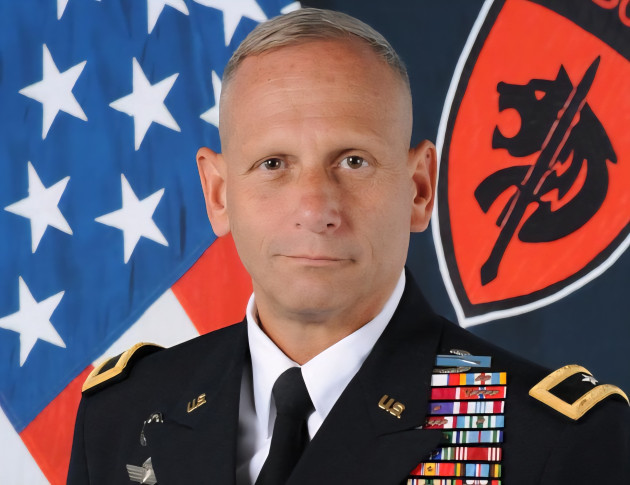
Donald C. Bolduc

Advertisement