

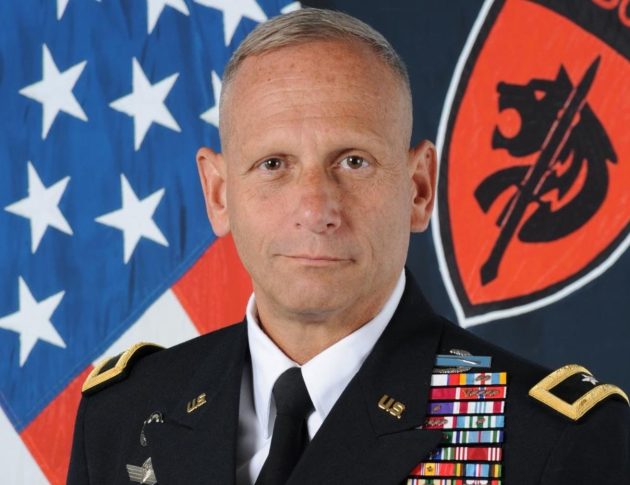
My concerns about the boat strike missions highlight significant aspects related to policy, strategy, and operational effectiveness. Here’s a structured outline that articulates my viewpoint:
Critique of Boat Strike Missions
Assessment of Operations
The current boat strike missions lack the foundational elements that are critical for effective military operations. Specifically, they are not supported by sound policy, a comprehensive inter-agency strategy, or a coherent operational plan. This absence of structure raises significant questions about the efficacy and rationale behind these missions.
Lack of Sound Policy
Absence of Clear Objectives:
Effective military operations require clear, achievable objectives backed by well-defined policies. The current boat strike missions do not exhibit these characteristics, making it difficult to assess their long-term impact on drug trafficking.
Misalignment with Broader Goals:
Any military effort should align with national security priorities and broader strategic goals. These boat strikes appear disconnected from a cohesive policy framework aimed at disrupting drug flow into the United States.
Deficient Inter-Agency Strategy
Need for Collaboration:
A comprehensive strategy encompassing multiple agencies is essential for tackling complex issues like drug trafficking. The lack of inter-agency coordination undermines the effectiveness of these missions and limits their potential for success.
Failure to Leverage Resources:
Without a collaborative approach, critical resources and intelligence from various agencies are not effectively utilized, resulting in missed opportunities for comprehensive action against drug trafficking networks.
Flawed Operational Plan
Ineffective Targeting:
The execution of these boat bombing operations lacks the precision necessary to achieve meaningful disruption of drug smuggling activities. Such operations can be compared to “mowing the grass” — they may provide temporary relief but do not create any long-term solution to the problem.
Lack of Decisive Outcomes:
The nature of these operations suggests they will not lead to a decisive interruption of drug flows into America. Instead of addressing the root causes of drug trafficking, these missions may yield only superficial or temporary results.
My position on the use of boat strikes, particularly following the incident on September 2, is grounded in a deep understanding of military ethics, operations, and the rule of law.
Position on Boat Strikes
I firmly believe that these operations are both illegal and immoral. This conviction is based on extensive military knowledge gained through policy development, strategic planning, operational command, and tactical execution during my military career.
Military Experience and Ethical Considerations
Comprehensive Knowledge:
My military training and firsthand experience equip me to critically assess operations at various levels. This background provides a nuanced understanding of the legal and ethical constraints surrounding military action.
Moral Responsibility:
Engaging in actions that violate international laws and ethical standards not only jeopardizes the lives of innocent individuals but also undermines the integrity of military operations. It is essential that our military actions align with moral and legal norms to maintain legitimacy and credibility.
Discontent with Leadership Decisions
Rejection of Orders:
Had I been in a position of authority, I would have joined other general officers and senior leaders who were dismissed for their refusal to condone such operations. Upholding ethical standards is paramount, and I could not support military actions that contradict them.
Critique of the September 2 Strike:
The second strike on September 2 serves as a glaring example of what I believe to be an indefensible decision. This action is not only illegal but also moralistically untenable. The reasoning provided by the chain of command lacks coherence and fails to justify the action taken (https://apple.news/A0VxthUwwQGCQinG0MJurdg).
Call for Accountability
Leadership Responsibility:
It is my strong belief that every individual involved in the decision-making process leading to these boat strikes should be held accountable. Leadership must be responsible for their actions, and those who authorize illegal or unethical operations should face appropriate consequences.
Proposed Actions:
Congress needs to stop these operations. I advocate for the termination and prosecution of civilian and military leaders who participated in approving these strikes. It is critical that we enforce accountability to uphold the integrity of our armed forces and to ensure that such actions are not repeated in the future.
Conclusion
In conclusion, based on my military experience and ethical framework, I find the use of boat strikes to be both illegal and immoral. Immediate accountability is necessary for those involved in such decisions, as it is vital to restore trust in military operations and reaffirm our commitment to lawful and ethical conduct.
The Need for Strategic Integrity in Combatting Drug Trafficking summary, the current boat strike missions are flawed in policy, inter-agency strategy, and operational execution. They lack clear objectives, fail to leverage collaborative efforts, and do not produce meaningful outcomes against drug trafficking. It is imperative that we reconsider and reformulate these missions to align them with a comprehensive strategy that effectively addresses the underlying issues at hand.
Donald C. Bolduc
—
** Editor’s Note: Thinking about subscribing to SOFREP? You can support Veteran Journalism & do it now for only $1 for your first year. Pull the trigger on this amazing offer HERE. – GDM








COMMENTS