The recent seizure of a tanker involved in supporting terrorist organizations represents a critical triumph in the ongoing fight against illicit activities that jeopardize national and global security. Carried out in strict accordance with legal protocols and through diligent interagency collaboration, this operation underscores the commitment of U.S. authorities to enforce laws designed to disrupt activities that promote terrorism and violate international norms. The effort not only showcases the effectiveness of the United States Coast Guard, the FBI, Homeland Security Investigations, and the Department of Defense but also illustrates the necessity of such actions in today’s complex maritime threats.
At the heart of the seizure was the identification of the vessel as being associated with activities that support terrorist organizations—an allegation that is treated with the utmost seriousness by U.S. law enforcement agencies. The operation was initiated following the issuance of a seizure warrant, which is a legal prerequisite that ensures all actions taken are consistent with domestic and international law. By adhering to these legal standards, including the due process afforded under U.S. law, the agencies involved acted within their jurisdiction and maintained the rule of law.
Video footage of the operation, shared by Attorney General Pam Bondi, depicted a highly coordinated and professional response from U.S. forces. The environment in which maritime law enforcement operates can often be volatile and dangerous; thus, the utilization of an elite team from the Coast Guard, specifically the Maritime Security and Response Team, was essential. This highly trained unit specializes in counterterrorism and high-risk law enforcement operations, which includes conducting boardings of potentially hostile vessels. Their deployment reflects the seriousness of the threat posed by the tanker and the necessity of ensuring the safety of law enforcement personnel as well as the broader community.
The execution of the operation involved not only maritime assets but also critical support from air and ground forces, including helicopters, marines, and special operations personnel. Such comprehensive coordination exemplifies a robust interagency effort that is vital for modern law enforcement, particularly in maritime environments where threats often transcend national boundaries. This seizure, which occurred off the coast of Venezuela, underscores the range of international collaboration and vigilance necessary to secure U.S. waters and those beyond.
Moreover, the vigilance of U.S. authorities in engaging with vessels departing from ports known for their links to terrorism reflects a proactive stance in maritime security. Terrorist organizations often exploit global shipping routes to smuggle weapons, funds, and other resources that facilitate their operations. By targeting vessels suspected of complicity, U.S. forces can disrupt these networks, thereby diminishing operational capabilities for such groups and contributing to broader counterterrorism efforts.
The seizure of the tanker serves to deter other vessels from engaging in similar activities that threaten both national and international security. It sends a clear message that the United States remains resolute in its commitment to curtailing maritime avenues that allow for the funding and support of terrorism. This decisive action is not merely a singular event but rather a critical part of a larger strategy aimed at safeguarding the nation and its allies against imminent threats.
In conclusion, the seizure of the tanker, executed by a coalition of U.S. law enforcement and military agencies, adheres to legal frameworks and exhibits a necessary response to emerging threats in the maritime domain. Through the advancement of counterterrorism operations and the determination to uphold international law, the United States showcases its commitment to ensuring the security of not only its citizens but also global stability. This operation serves as an exemplary model of how interagency collaboration and thorough training can effectively address complex security challenges.
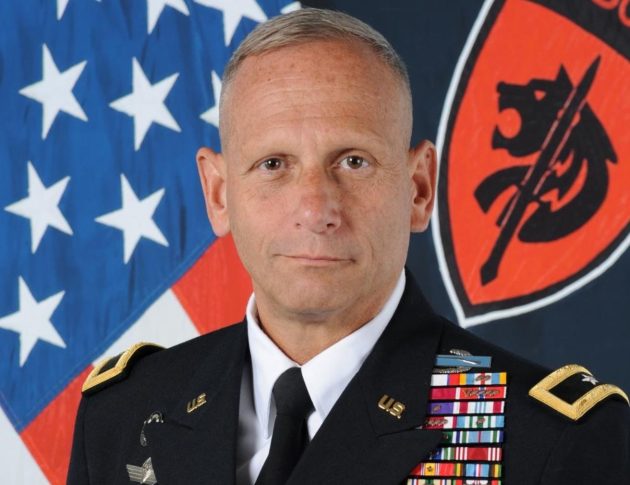
Donald C. Bolduc
—
Already have an account? Sign In
Two ways to continue to read this article.
Subscribe
$1.99
every 4 weeks
- Unlimited access to all articles
- Support independent journalism
- Ad-free reading experience
Subscribe Now
Recurring Monthly. Cancel Anytime.
The recent seizure of a tanker involved in supporting terrorist organizations represents a critical triumph in the ongoing fight against illicit activities that jeopardize national and global security. Carried out in strict accordance with legal protocols and through diligent interagency collaboration, this operation underscores the commitment of U.S. authorities to enforce laws designed to disrupt activities that promote terrorism and violate international norms. The effort not only showcases the effectiveness of the United States Coast Guard, the FBI, Homeland Security Investigations, and the Department of Defense but also illustrates the necessity of such actions in today’s complex maritime threats.
At the heart of the seizure was the identification of the vessel as being associated with activities that support terrorist organizations—an allegation that is treated with the utmost seriousness by U.S. law enforcement agencies. The operation was initiated following the issuance of a seizure warrant, which is a legal prerequisite that ensures all actions taken are consistent with domestic and international law. By adhering to these legal standards, including the due process afforded under U.S. law, the agencies involved acted within their jurisdiction and maintained the rule of law.
Video footage of the operation, shared by Attorney General Pam Bondi, depicted a highly coordinated and professional response from U.S. forces. The environment in which maritime law enforcement operates can often be volatile and dangerous; thus, the utilization of an elite team from the Coast Guard, specifically the Maritime Security and Response Team, was essential. This highly trained unit specializes in counterterrorism and high-risk law enforcement operations, which includes conducting boardings of potentially hostile vessels. Their deployment reflects the seriousness of the threat posed by the tanker and the necessity of ensuring the safety of law enforcement personnel as well as the broader community.
The execution of the operation involved not only maritime assets but also critical support from air and ground forces, including helicopters, marines, and special operations personnel. Such comprehensive coordination exemplifies a robust interagency effort that is vital for modern law enforcement, particularly in maritime environments where threats often transcend national boundaries. This seizure, which occurred off the coast of Venezuela, underscores the range of international collaboration and vigilance necessary to secure U.S. waters and those beyond.
Moreover, the vigilance of U.S. authorities in engaging with vessels departing from ports known for their links to terrorism reflects a proactive stance in maritime security. Terrorist organizations often exploit global shipping routes to smuggle weapons, funds, and other resources that facilitate their operations. By targeting vessels suspected of complicity, U.S. forces can disrupt these networks, thereby diminishing operational capabilities for such groups and contributing to broader counterterrorism efforts.
The seizure of the tanker serves to deter other vessels from engaging in similar activities that threaten both national and international security. It sends a clear message that the United States remains resolute in its commitment to curtailing maritime avenues that allow for the funding and support of terrorism. This decisive action is not merely a singular event but rather a critical part of a larger strategy aimed at safeguarding the nation and its allies against imminent threats.
In conclusion, the seizure of the tanker, executed by a coalition of U.S. law enforcement and military agencies, adheres to legal frameworks and exhibits a necessary response to emerging threats in the maritime domain. Through the advancement of counterterrorism operations and the determination to uphold international law, the United States showcases its commitment to ensuring the security of not only its citizens but also global stability. This operation serves as an exemplary model of how interagency collaboration and thorough training can effectively address complex security challenges.
Donald C. Bolduc
—
** Editor’s Note: Thinking about subscribing to SOFREP? You can support Veteran Journalism & do it now for only $1 for your first year. Pull the trigger on this amazing offer HERE. – GDM










COMMENTS