The Trump administration informs Congress that the war powers law is not applicable to strikes against drug cartels.
The authority to use military force is one of the gravest powers bestowed upon the executive branch, carrying profound implications not only for national security but also for global stability and the moral integrity of a nation. Under the Trump administration, the emphasis on unilateral military action—such as strikes against drug cartels—has raised significant concerns regarding the erosion of transparency and the essential system of checks and balances. The notion that the laws governing war do not apply to operations targeting drug cartels is fundamentally flawed and undermines the very principles upon which the use of military force should be grounded.
The Imperative of Transparency in Military Action
Transparency is critical when it comes to the deployment of military force. The reasons for military engagement, the objectives, and the expected outcomes must be communicated clearly and openly to the public and to Congress. This transparency ensures that military action is subject to scrutiny and debate, which can help prevent hasty or poorly considered decisions. Without transparency, operations may be viewed with suspicion, and public trust in governmental decisions may diminish.
In the context of military strikes against entities such as drug cartels, the potential for misuse of power escalates when these operations are conducted without careful oversight. The executive branch’s unilateral action can lead to an unaccountable state of affairs where military capabilities may be used to further political agendas rather than genuine security interests. Consequently, the lack of transparency may foster an environment in which military power is wielded indiscriminately, potentially resulting in unintended consequences that harm innocent civilians and destabilize communities.
The Importance of Checks and Balances
The framers of the Constitution deliberately designed a system of checks and balances to prevent the abuse of power by any single branch of government. This framework is particularly crucial in the arena of military action, where the stakes are tremendously high. Congress, with its constitutional responsibility to declare war and ensure that military force aligns with national interests, plays a vital role in this system. It is designed to foster debate, reflection, and a collective decision-making process regarding military action.
When an administration—like that of President Trump—claims that the laws of war do not apply to specific military actions, such as strikes against drug cartels, it not only undermines the established legal frameworks that govern military engagement but also circumvents congressional oversight. This assertion can lead to an unwarranted expansion of executive authority, enabling the President to use military resources in ways that may not align with the broader national interest or ethical constraints.
Challenging the Trump Administration’s Position
The Trump administration’s argument that war laws do not apply to strikes against drug cartels is deeply concerning. This perspective suggests that military action can be unjustifiably normalized in areas where traditional criteria of armed conflict do not exist. Such a stance risks further conflating law enforcement with military operations, blurring the lines between appropriate use of force and potential violations of international law and sovereignty.
Targeting drug cartels, while essential in the fight against drug trafficking and organized crime, should be approached through law enforcement channels supported by appropriate diplomatic relations, rather than as military engagements. The principle of proportionality and the rule of law must guide any actions taken, ensuring that they are consistent with international humanitarian law and respect for human rights.
To maintain legal and ethical integrity, military force should be a tool of last resort, employed only in scenarios that genuinely warrant such action based on clear definitions of conflict established under international law. Strikes against drug cartels do not meet these standards, and using military force in this context threatens to set a dangerous precedent.
Conclusion
The call for transparency and adherence to checks and balances in the use of military force is not only a matter of legality but also one of moral responsibility and effective governance. Unilateral military actions that bypass these fundamental principles are susceptible to misuse and can lead to grave consequences both domestically and internationally. As citizens and advocates for responsible governance, it is crucial to hold the executive branch accountable and insist that it adheres to established laws and frameworks governing military engagement. The conversation must continue to emphasize the vital need for transparent decision-making and congressional oversight, ensuring that military power remains a force for good rather than an instrument of arbitrary authority.
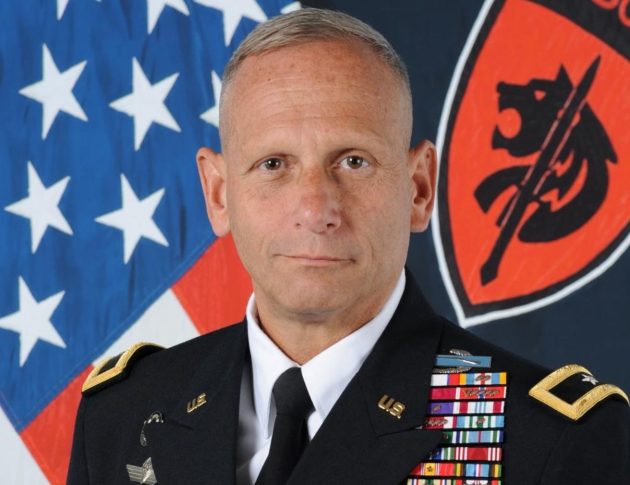
Donald C. Bolduc
Already have an account? Sign In
Two ways to continue to read this article.
Subscribe
$1.99
every 4 weeks
- Unlimited access to all articles
- Support independent journalism
- Ad-free reading experience
Subscribe Now
Recurring Monthly. Cancel Anytime.










COMMENTS