Op-Ed

The Bolduc Brief: The Need for Reform in the General and Flag Officer Promotion System

Promotion reform is overdue and necessary, but when political agendas and personal loyalties creep into the selection of generals and admirals, the result is not accountability but a corrosion of trust, merit, and the nonpartisan leadership the force depends on to fight and win.

This is a follow-up article to Concerns Over Political Motivations in Military Promotionsand the recognition that there is a need for senior leader promotion reform. Unfortunately, the actions of the Secretary of Defense are not the solution.
The promotion system for general officers and flag officers in the military has long been a topic of concern, and there is no doubt that it requires significant reform. The current state of this system is riddled with challenges, including organizational nepotism, cliques, and a pervasive “go along to get along” mentality. These issues compromise the integrity and efficacy of leadership selections, ultimately impacting the operational effectiveness of our armed forces.
When senior leaders interject themselves into the promotion process, it often exacerbates the very problems that reform efforts seek to address. The interference usually stems from invalid reasons—personal agendas, political motivations, or misguided attempts to support favored candidates. Such actions perpetuate a culture of dysfunction within an already flawed system, undermining the meritocratic principles that should guide promotions. Instead of fostering an environment that rewards talent, experience, and integrity, these interventions further entrench existing biases and prevent qualified individuals from ascending to leadership positions.
Moreover, the phenomenon of general officers and flag officers becoming “political chameleons” has become increasingly pronounced. As they adapt their stances and narratives to align with prevailing political ideologies, the very essence of military leadership—unwavering loyalty to the Constitution and nonpartisanship—becomes diluted. This transformation is not just a benign adaptation; it has detrimental effects on service members and their families. The erosion of trust in military leadership can lead to decreased morale and a lack of cohesion among units, jeopardizing the military’s mission readiness and effectiveness.
The role of the Secretary of Defense is particularly critical in shaping the military’s culture and leadership. Unfortunately, when this position is occupied by a divisive figure who approaches their responsibilities with a lack of humility and respect, the repercussions can be severe. Such an approach fosters an atmosphere of suspicion and discord, undermining the essential good order and discipline that are paramount for the military’s operational success. Trust, respect, and unity must be the cornerstones of military leadership; without them, the armed forces risk losing their ability to safeguard our nation effectively.
In conclusion, while the need for reform in the general and flag officer promotion system is undeniable, genuine progress requires a commitment to integrity, meritocracy, and nonpartisan leadership. It is essential for our military’s senior leaders, including the Secretary of Defense, to approach their roles with humility and an unwavering dedication to the values that underpin our armed forces. Only then can we hope to restore trust, strengthen leadership, and ensure the continued effectiveness of our military in fulfilling its critical mission.
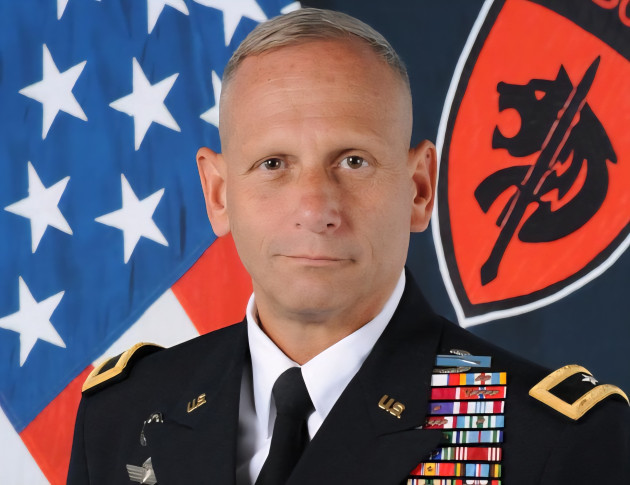
Donald C. Bolduc

Advertisement
Advertisement

What readers are saying

Generating a quick summary of the conversation...

This summary is AI-generated. AI can make mistakes and this summary is not a replacement for reading the comments.