In recent years, the United States has committed itself to confronting the multifaceted challenges posed by drug cartels, human trafficking, and weapons trafficking. However, a troubling trend has emerged: the militarized response to these issues, particularly in the form of bombing alleged drug boats. This strategy is fraught with contradictions and inconsistencies that not only undermine the United States’ credibility on the international stage but also raise significant legal and moral questions. As communication falters within the chain of command and operational decisions are made amid confusion, it is crucial to recognize the flaws in this approach and explore alternatives that prioritize legality and ethics.
The ongoing confusion within the upper echelons of U.S. government is a significant factor contributing to the misguided strategy against alleged drug trafficking. This discord is exemplified by conflicting statements from officials—including the press secretary, the defense secretary, and the president—each articulating divergent strategies and objectives in addressing the crisis. Such disarray creates an environment in which the Special Operations Command (SOCOM) operates without clear guidance. The SOCOM commander’s decisions, affecting areas usually governed by standard military operations, illustrate the troubling lack of coherence in U.S. policy regarding the treatment of non-military, non-combatant targets ( https://apple.news/AC62PFWaZT1eg8K0zJ6vxqw).
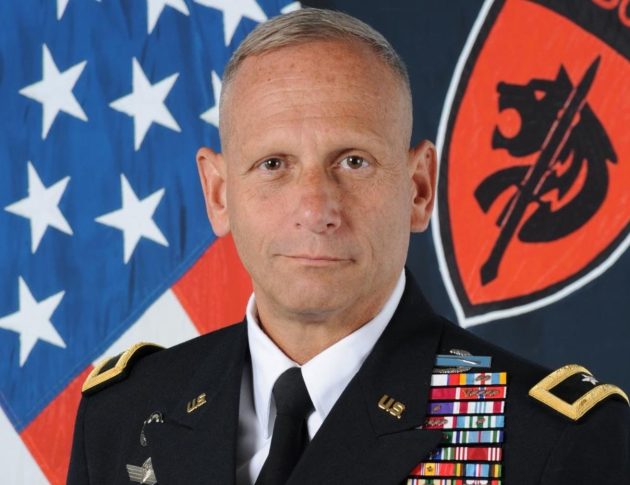
It is also interesting that the SOCOM Commander ordered the second strike in the US Southern Command area of responsibility. The SOCOM commander leads a functional command that provides special operations forces, equipment, and resources, but does not direct or control operational missions. The US Southern commander controls military operations in their area of responsibility.
The implications of such a fragmented approach are severe. The bombing of drug boats not only risks civilian lives but also contravenes principles of proportionality and discrimination enshrined in international law. The application of military force must be rooted in the legal and moral precepts that define responsible governance. Targeting non-military entities with heavy weaponry raises concerns over the preservation of innocent lives and the broader societal impacts of such operations. As the chain of command lacks unity and clarity, innocent fishermen and families are at risk of becoming collateral damage in an ill-conceived campaign.
Furthermore, the credibility of the United States as a global leader is jeopardized by these actions. As a nation that often champions human rights and the rule of law, resorting to bombings that primarily harm non-combatants severely undermines the nation’s moral authority. This perception risks alienating countries that might otherwise be allies in the fight against drug cartels and other forms of trafficking. Instead of fostering partnerships based on mutual respect and shared objectives, such military tactics breed distrust and conflict with communities directly impacted by U.S. operations.
It is imperative that the United States reevaluates its current approach to combating cartels and trafficking. There exists a better way—one that utilizes diplomatic channels, strategic partnerships, and intelligence-sharing initiatives with local governments. A comprehensive strategy that emphasizes law enforcement collaboration rather than military intervention could yield more sustainable results in combating the roots of drug trafficking and organized crime. By investing in community-based initiatives, educational programs, and economic development, the United States can create a more effective and humane strategy to address these complex issues.
In conclusion, the United States must recalibrate its tactics in the fight against drug trafficking and related crimes. The current approach, characterized by confusion and morally questionable actions, not only threatens the lives of innocents but also tarnishes the nation’s credibility worldwide. Only through concerted efforts that prioritize legality, ethics, and collaboration can the U.S. reclaim its position as a leader committed to justice and the well-being of individuals across the globe.
—
** Editor’s Note: Thinking about subscribing to SOFREP? You can do it now for only $1 for your first year. Pull the trigger on this amazing offer HERE. – GDM
Already have an account? Sign In
Two ways to continue to read this article.
Subscribe
$1.99
every 4 weeks
- Unlimited access to all articles
- Support independent journalism
- Ad-free reading experience
Subscribe Now
Recurring Monthly. Cancel Anytime.
In recent years, the United States has committed itself to confronting the multifaceted challenges posed by drug cartels, human trafficking, and weapons trafficking. However, a troubling trend has emerged: the militarized response to these issues, particularly in the form of bombing alleged drug boats. This strategy is fraught with contradictions and inconsistencies that not only undermine the United States’ credibility on the international stage but also raise significant legal and moral questions. As communication falters within the chain of command and operational decisions are made amid confusion, it is crucial to recognize the flaws in this approach and explore alternatives that prioritize legality and ethics.
The ongoing confusion within the upper echelons of U.S. government is a significant factor contributing to the misguided strategy against alleged drug trafficking. This discord is exemplified by conflicting statements from officials—including the press secretary, the defense secretary, and the president—each articulating divergent strategies and objectives in addressing the crisis. Such disarray creates an environment in which the Special Operations Command (SOCOM) operates without clear guidance. The SOCOM commander’s decisions, affecting areas usually governed by standard military operations, illustrate the troubling lack of coherence in U.S. policy regarding the treatment of non-military, non-combatant targets ( https://apple.news/AC62PFWaZT1eg8K0zJ6vxqw).
It is also interesting that the SOCOM Commander ordered the second strike in the US Southern Command area of responsibility. The SOCOM commander leads a functional command that provides special operations forces, equipment, and resources, but does not direct or control operational missions. The US Southern commander controls military operations in their area of responsibility.
The implications of such a fragmented approach are severe. The bombing of drug boats not only risks civilian lives but also contravenes principles of proportionality and discrimination enshrined in international law. The application of military force must be rooted in the legal and moral precepts that define responsible governance. Targeting non-military entities with heavy weaponry raises concerns over the preservation of innocent lives and the broader societal impacts of such operations. As the chain of command lacks unity and clarity, innocent fishermen and families are at risk of becoming collateral damage in an ill-conceived campaign.
Furthermore, the credibility of the United States as a global leader is jeopardized by these actions. As a nation that often champions human rights and the rule of law, resorting to bombings that primarily harm non-combatants severely undermines the nation’s moral authority. This perception risks alienating countries that might otherwise be allies in the fight against drug cartels and other forms of trafficking. Instead of fostering partnerships based on mutual respect and shared objectives, such military tactics breed distrust and conflict with communities directly impacted by U.S. operations.
It is imperative that the United States reevaluates its current approach to combating cartels and trafficking. There exists a better way—one that utilizes diplomatic channels, strategic partnerships, and intelligence-sharing initiatives with local governments. A comprehensive strategy that emphasizes law enforcement collaboration rather than military intervention could yield more sustainable results in combating the roots of drug trafficking and organized crime. By investing in community-based initiatives, educational programs, and economic development, the United States can create a more effective and humane strategy to address these complex issues.
In conclusion, the United States must recalibrate its tactics in the fight against drug trafficking and related crimes. The current approach, characterized by confusion and morally questionable actions, not only threatens the lives of innocents but also tarnishes the nation’s credibility worldwide. Only through concerted efforts that prioritize legality, ethics, and collaboration can the U.S. reclaim its position as a leader committed to justice and the well-being of individuals across the globe.
—
** Editor’s Note: Thinking about subscribing to SOFREP? You can do it now for only $1 for your first year. Pull the trigger on this amazing offer HERE. – GDM










COMMENTS