This is not a time to point fingers and play politics. It is a time to work together to protect Americans. As the DHS Secretary said on “Meet the Press,” Homeland Security Secretary Kristi Noem said, the suspect was “radicalized since he’s been here in this country.” Clearly, this statement suggests that the problem is less about how he entered the US under both the Biden and Trump administration policies, but what happened after he arrived under the policies of both administrations.
The White House has taken a decisive stance on national security and immigration policy, particularly regarding a travel ban targeting 19 specific countries and a reexamination of Afghan Special Immigrant Visas (SIVs). These measures have sparked significant debate, leading to questions about their necessity and the broader implications for communities and national policies.
However, critics argue that reintroducing or maintaining such bans is not only unnecessary but could also perpetuate discrimination. Limiting travel based on nationality can undermine diplomatic relationships and hinder collaboration with nations that may be vital allies in counterterrorism efforts. Public sentiment among civil rights advocates suggests that these restrictions may unjustly affect individuals and families who have endured hardship and conflict, further alienating large segments of communities that are already vulnerable.
Reexamining Afghan Special Immigrant Visas
The reexamination of Afghan SIVs reflects ongoing concerns about the safety and security of those who aided U.S. military operations in Afghanistan. Following the chaotic withdrawal from Afghanistan in 2021, many of these individuals face retaliation from Taliban forces due to their association with U.S. efforts. The SIV program was created to provide refuge to these allies, encompassing not only the individuals who worked directly with U.S. forces but also their families.
The current review of these visas raises urgent questions. Many SIV applicants are enduring long waits, with approval processes mired in bureaucratic navigation and uncertainty. The delays are worrying; they can lead to further endangerment of those awaiting approval, leaving individuals and families caught in limbo. Advocacy groups assert that these pauses are counterproductive and could significantly compromise the safety of many individuals who have already risked their lives for U.S. interests.
The Unnecessity of Pausing Immigration Processes
Critics of the travel ban and SIV review policies argue that such pauses are unnecessary, particularly as these communities are integral to the social fabric. Research indicates that immigrants contribute positively to economic growth, local culture, and community resilience. The pause in processing immigration can lead to harm not just for those waiting but also for communities that benefit from their skills, perspectives, and contributions.
Moreover, effective alternatives to travel bans and visa reexaminations exist. Establishing a more thorough, fair, and efficient vetting process could address legitimate security concerns without broadly penalizing entire groups of people. Furthermore, fostering diplomatic relations with countries of concern can equally bolster security measures, paving the way for stronger international partnerships.
Addressing Assimilation Concerns
One of the key concerns often raised in relation to immigration, particularly regarding SIV applicants from Afghanistan and other regions, is that of assimilation. Critics fear that incoming populations may not integrate or abide by the values of the host country.
To address these concerns, several strategies can be implemented:
1. Robust Support Programs: Establishing comprehensive resettlement programs that include language classes, cultural orientation, and job placement services can ease the transition for immigrants and help them become active members of their communities.
2. Community Engagement Initiatives: Facilitation of community engagement initiatives that bring together immigrants and native citizens can promote understanding. Local governments and organizations can create platforms for cultural exchange, fostering mutual respect and collaboration.
Already have an account? Sign In
Two ways to continue to read this article.
Subscribe
$1.99
every 4 weeks
- Unlimited access to all articles
- Support independent journalism
- Ad-free reading experience
Subscribe Now
Recurring Monthly. Cancel Anytime.
3. Education and Awareness Campaigns: Programs that educate citizens about the contributions and experiences of immigrants can cultivate a more welcoming environment. By showcasing personal stories and highlighting the positive impact of immigrants, communities can combat stereotypes and build solidarity.
4. Inclusive Policy Formulation: Creating policy frameworks that involve immigrant voices can enhance representation and ensure that policies effectively address the needs of all stakeholders involved.
By taking these steps, concerns over assimilation can be addressed constructively, turning potential tensions into opportunities for growth and cohesion.
Conclusion
The White House’s reinforcement of the travel ban and the meticulous evaluation of Afghan SIVs pose significant implications for immigrant communities and national security. While the administration’s motivations may stem from concerns over safety, the necessity of such pauses remains highly contested. Engaging in dialogue and integrating constructive policy solutions can help alleviate fears around immigrants and promote a more inclusive and secure future for all. Emphasizing support, community integration, and positive engagement can pave the way toward a more harmonious society, ultimately benefiting everyone involved.
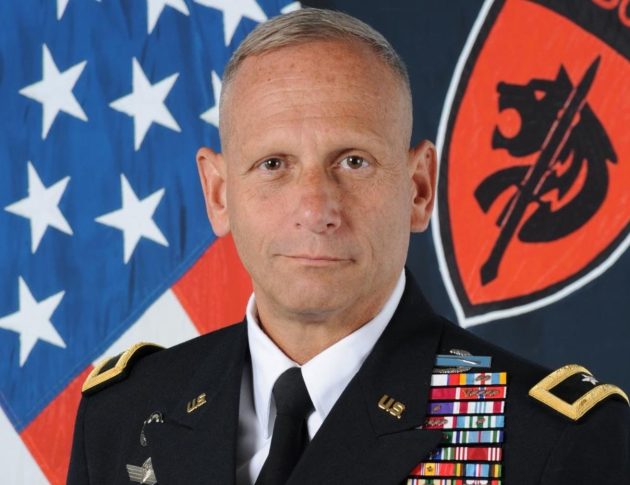
Donald C. Bolduc
—
** Editor’s Note: Thinking about subscribing to SOFREP? You can do it now for only $1 for your first year. Pull the trigger on this amazing offer HERE. – GDM









COMMENTS