

Critics, such as those presenting arguments through Prager University and former Army soldier Michelle Thibeau https://www.prageru.com/videos/do-women-belong-in-combat), often appeal to social and cultural biases when questioning women’s roles in combat. Many of the studies and comparisons that highlight physical differences between men and women tend to reinforce preconceived notions about gender capabilities. However, if we followed this narrow perspective in other professional fields, we would unjustly limit women’s opportunities across a wide array of professions.
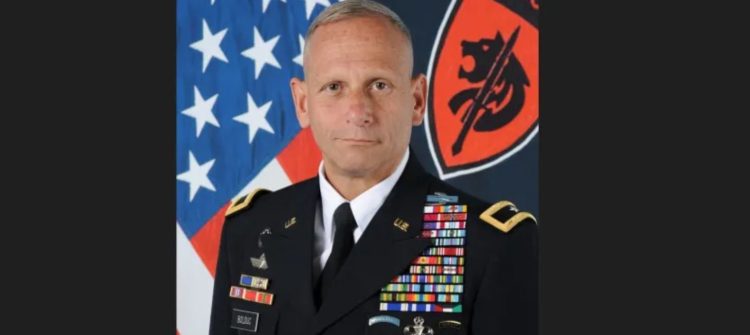
Having served ten tours in Afghanistan, I witnessed firsthand the contributions of women in combat roles with Special Operations Forces (SOF) teams. Their presence on the ground was not just acceptable; it was instrumental to the success of our missions. I received numerous after-action reports that praised their performance, and I encountered zero complaints from male operators regarding their participation. The occasional disciplinary issue arose, as they do in any unit, but these were handled through established protocols aimed at maintaining good order and discipline.
The notion that mixed-gender teams create distractions due to personal attractions fails to recognize that this reality exists across all facets of society, not just the military. Addressing dynamics in mixed-gender units is a leadership responsibility. Rather than pointing fingers, leaders must examine their own conduct and set the tone for professionalism and respect.
To ensure that both men and women in the military are adequately prepared for the rigors of combat, we must adopt gender-neutral standards for essential tasks. For instance, in infantry roles, soldiers are required to meet specific benchmarks for strength, endurance, and agility—standards that are based purely on the demands of the job, irrespective of gender. This approach is essential not only for unit cohesion but also for the safety and effectiveness of all service members.
The arguments for physical standards extend beyond the military to numerous professions, underscoring a universal truth: roles that involve demanding physical tasks should require individuals to meet the same criteria, regardless of gender. Consider the following examples:
Firefighters: Both men and women must succeed in rigorous physical and agility tests to perform the essential responsibilities of their jobs, such as lifting victims or hauling heavy equipment.
Law Enforcement: Officers must demonstrate physical capabilities necessary to chase, restrain, and control suspects, with agility tests forming a core part of the hiring process.
Construction Workers: The industry relies on physical strength and stamina, requiring all workers to meet the same demanding physical requirements to ensure safety and project efficiency.
Aviation Roles: Flight attendants and pilots must meet strict physical standards to ensure they can assist passengers and operate aircraft effectively.
Emergency Medical Services (EMS): Paramedics and EMTs must be capable of lifting and transporting patients under duress, a capability required of all personnel, regardless of gender.
Wildland Firefighting: Both men and women must pass stringent endurance tests to successfully carry heavy packs across challenging terrain, ensuring equal competency in the face of perilous conditions.
In conclusion, the inclusion of women in combat roles is a matter of capabilities rather than gender. History has shown that women have always played a vital role in warfare, intelligence, and emergency services, and it is imperative that we continue to recognize and support their contributions without bias. Upholding gender-neutral performance standards across all professions fosters an environment where everyone can excel based solely on merit.
Women not only belong in combat; they enrich and strengthen our forces and communities. It is time to embrace this truth and advocate for equitable treatment and opportunities in all fields.
Donald C. Bolduc








COMMENTS