

The New Age of Great-Power Competition
In the last several years, however, we are seeing a shift. Challengers are arriving. The power vacuum is shrinking. While the United States is the only country that can truly project power anywhere in the world, regional power plays are increasing. Regional dominance is where many smaller or aspirational powers, like China, are focusing their efforts. While the U.S. was focused on fighting terrorism in the Middle East, some of its focus shifted away from the emerging power competition. And this has happened without many noticing. Until recently.
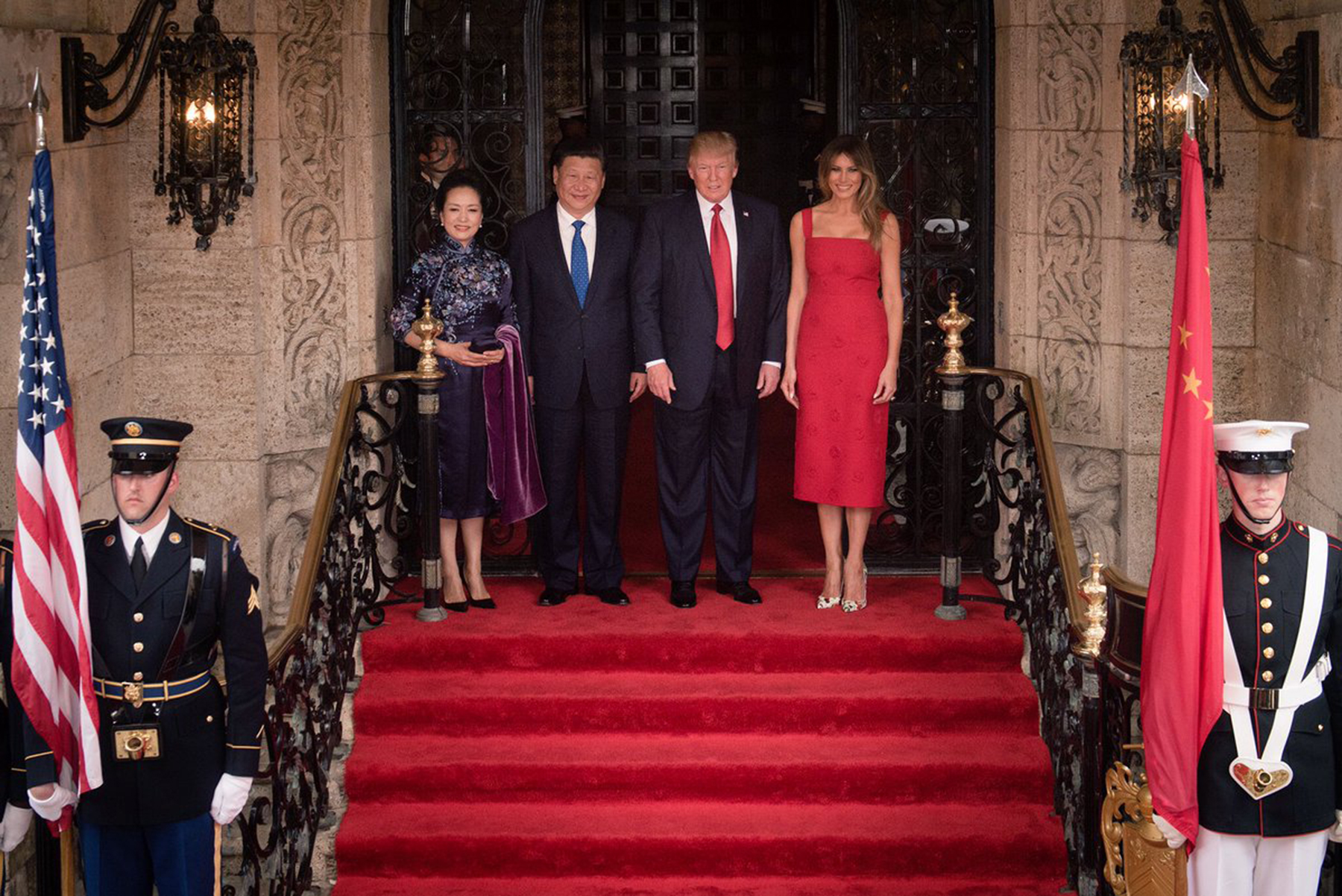
China is no small country. Its power and influence are growing quickly, although somewhat unsteadily. Its economic power has come to rival that of the EU and the United States.
Russia, after many years on the bench, is once again looking to become a major player in Asia, Africa, and the Middle East. It aspires to its Cold War status and wants to counter Western influence.
Further, as Iran continues to seek nuclear weapons and regional dominance and a nuclear-armed Pakistan tries to increase its strategic and regional influence and contain India, the risk of conflict increases.
Nevertheless, the emergence of shifting power dynamics around the world could also create opportunities for increased trade and stability leading to more international cooperation.
International Influence Has an Expiration Date
It’s time to reclaim American predominance — although some would argue that it was never lost. The recent Afghanistan debacle has amplified doubts of America’s incapability thus creating a fully-fledged crisis. In President Biden’s young presidency, the weaknesses of U.S. foreign policy are coming to a head. However, these weaknesses are not new nor unique to the current administration; they have been slowly emerging over the years from the Korean War to the Bay of Pigs and Vietnam.
After decades of conflict in the Middle East, solutions to promote peace remain elusive. The balance of power in Asia and Europe has changed. Africa is the place where no one knows what to do, yet China and Russia’s influence has rapidly been increasing in the continent in recent years. Multiple presidents from both parties, over many years, have contributed to all these issues.
The political clout and international influence that the U.S. accumulated following WWII are running out. President George W. Bush sought to contain international terrorism and went too far. President Obama’s approach was a weak combination of apologizing for American overreach and then doing nothing but giving high-minded speeches. President Trump had intentions of not starting any new wars or conflicts but alienated or strained nearly every alliance the U.S. has. With his blustering ways, he promoted his misguided version of “America First” as a direct response to Obama’s tepid policies. And although President Biden seeks to undo the damage that the Trump presidency caused abroad, he has kept many of his predecessor’s policies in place, while making a mess of other initiatives.
We are experiencing decades of poor strategy, declining power, and waning American influence. This is a bad thing for both the American people and the world.
Engagement Is Better Than Isolation or Unilateral Policies
In some ways, Trump’s “America First” policy was both misunderstood and very poorly executed. Every country should act in its self-interest and every leader has a responsibility to act in the best interest of their country. “America First” was a weak and misdirected attempt of what that could, or should, have been.
Isolationism and nationalism should not be confused as the same, and isolationism doesn’t preclude engagement.
The world is more connected than ever before. The fall of the Soviet Union accelerated globalization. Financial networks and global industry are inextricably intertwined. National events can have global ramifications. While every country should promote and protect its best interests, engagement and cooperation are more important than ever.
The U.S. desperately needs to create a new and successful foreign policy and to do so it must be globally present. Leadership means engaging in communication and conversation, making tough calls, and seeking to understand. A huge lack of understanding in Afghanistan contributed to the mess that exists there today. That is also the fundamental foundation for every other conflict in the world.
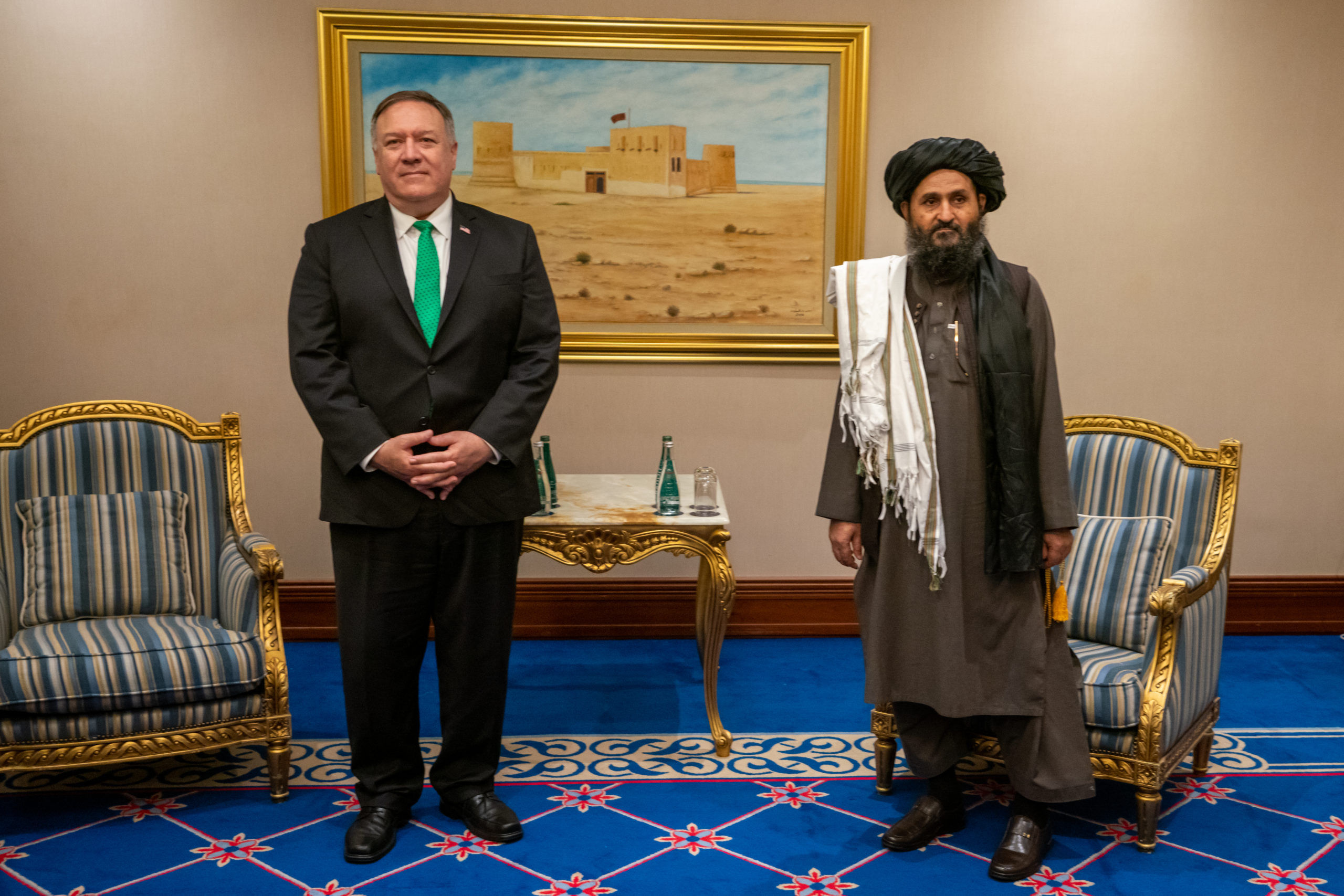
If the United States is absent from Africa, China and Russia will step in. If the United States is absent from the Middle East, Russia and Iran will step in. Now that the U.S. is absent from Afghanistan, China, Pakistan, and terrorist organizations are stepping in. We are seeing these events unfold in real-time. This is not to say that China is inherently our enemy — war with China isn’t inevitable. Rather, whenever there is a vacuum created by America’s absence someone else fills it.
If President Biden abandons the Middle East it will be harder to return to the region later. And it is likely that the U.S. will have to return in the not-so-distant future.
Make America Greater, Again
The United States should use all the tools in its toolkit to retain its leadership status. These tools include diplomacy, international trade, intelligence, economic influence, and military power.
Military power should always be on the table but as a last resort. Any hostile actor should believe that the U.S. can always rely on military power.
The U.S. should pay attention to everything and everywhere. It should engage by talking to our allies, as well as our rivals, and seeking to understand the situation at hand. The U.S. should set the example of what a world leader is; it should always be credible. Whether friend or foe, everyone in the world should believe in American credibility.
With the myriad threats and global challenges in the world today, the U.S. cannot afford to sit on the sidelines. A continued absence of American leadership will be filled by someone else. That will be damaging to everyone.








COMMENTS