
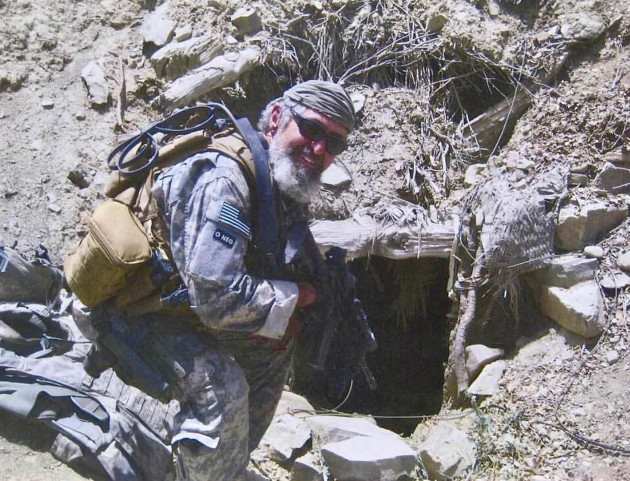
Before Changiz Lahidji wore the Green Beret, before he slipped back into Tehran under American orders, he was a young Iranian commando standing guard at lavish desert parties thrown by the Shah.
It looked glamorous from a distance. In reality, it meant standing watch over extravagant desert celebrations and political theater while the regime congratulated itself. For a young soldier who had signed up for adventure, it felt like wasted time.
So Lahidji left.
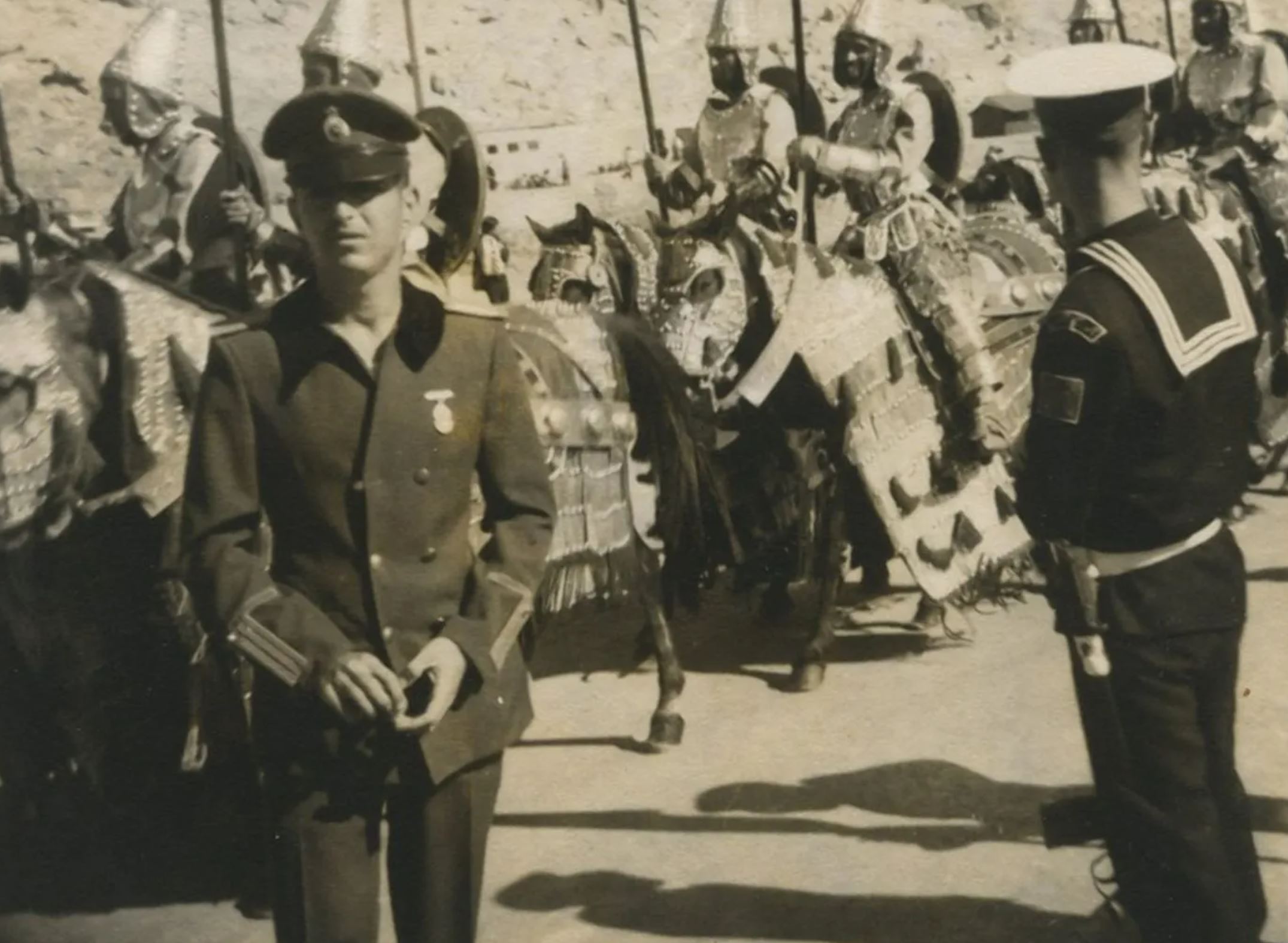
In the mid-1970s, he immigrated to the United States, settling in California and working at family-owned gas stations while learning English and adjusting to a new life. It did not take long before he found his way back into uniform.
In November 1978, he enlisted in the U.S. Army.
His goal was simple. He wanted Special Forces. The best.
Recruiters reportedly told him he was too small. Lahidji ignored them.
He pushed through the pipeline and earned his Green Beret, becoming widely described as the first Muslim soldier to serve in the U.S. Army Special Forces.
It was not easy. The late 1970s were not exactly welcoming to a Middle Eastern immigrant wearing an American uniform. Lahidji endured the suspicion and pressed forward anyway.
Then history intervened.
In November 1979, Iranian revolutionaries stormed the U.S. Embassy in Tehran and seized 52 Americans. The crisis stunned Washington and triggered one of the most daring rescue attempts of the Cold War.
Lahidji saw an opportunity to help.
According to his own account, he wrote directly to President Jimmy Carter offering his language skills and knowledge of Tehran. The Army soon sent him into Iran ahead of Operation Eagle Claw to gather intelligence and help arrange transportation that would carry hostages and operators away once the embassy was retaken.
The mission ended in disaster at Desert One when aircraft collisions forced the rescue attempt to abort.
Lahidji still had to get out of Iran alive.
Accounts from his memoir describe him slipping out of the country aboard a fishing boat after the failed operation, leaving behind a revolution that had consumed the nation he once served.
From there, his career stretched across the strange geography of America’s wars.
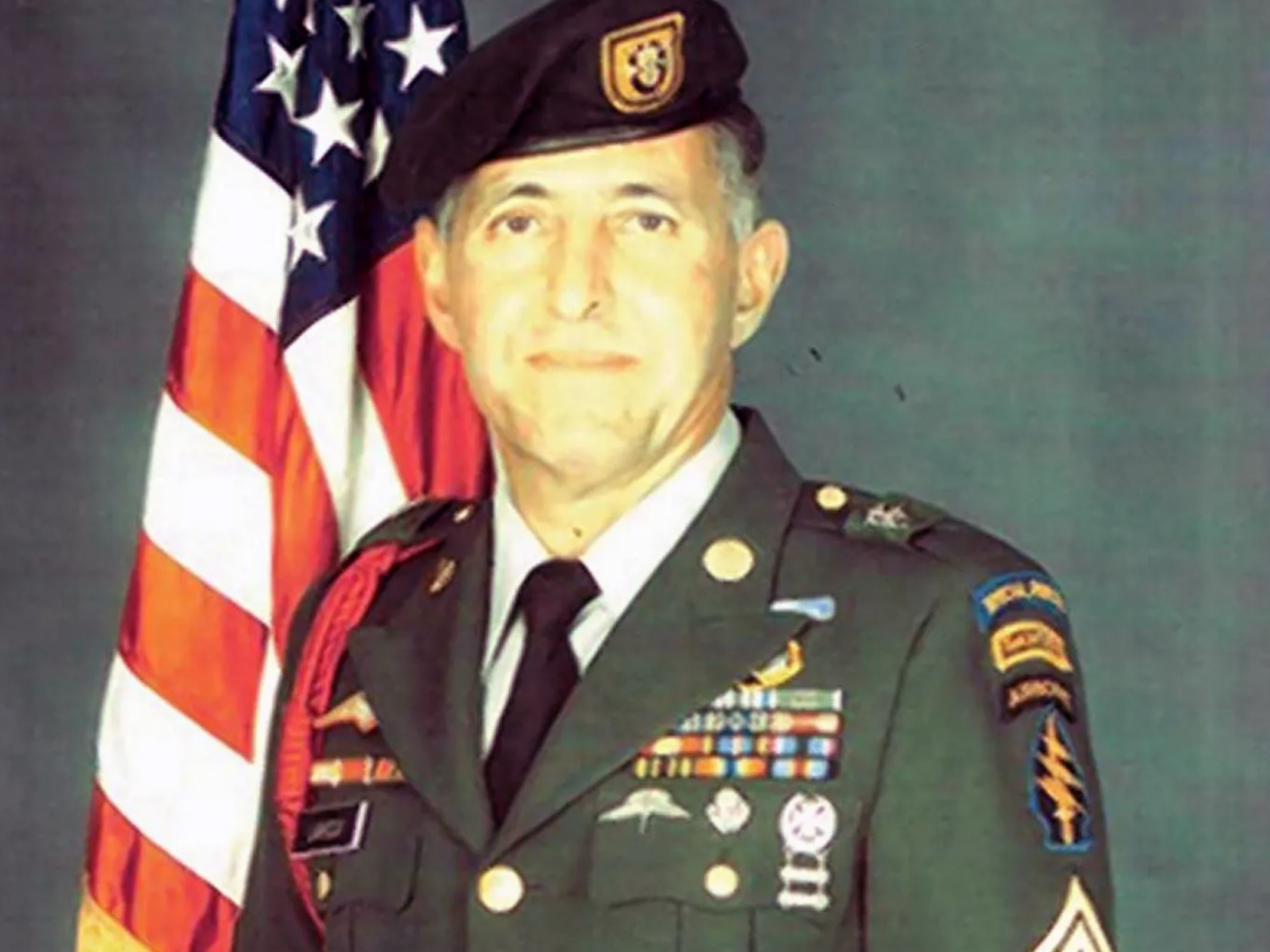
Over the next two decades, Lahidji appeared in many of the conflicts that defined the final years of the Cold War and the beginning of the War on Terror. His service and later contractor work took him to places like Afghanistan, Lebanon, Grenada, Somalia, Iraq, and beyond.
His memoir Full Battle Rattle recounts operations across more than 30 countries and describes more than two decades assigned to Special Forces ODAs.
One of his more dramatic claims came years later in Afghanistan, where Lahidji said he personally identified Osama bin Laden while working undercover in the mountains near Tora Bora. According to his account, the information he provided never turned into a decisive strike.
Whether every detail of that claim can be confirmed or not, the broad arc of Lahidji’s life remains remarkable.
A young Iranian soldier leaves the Shah’s army, immigrates to the United States, earns the Green Beret, and eventually returns to his homeland as part of a secret American mission.
That kind of story does not fit neatly into modern political boxes.
It fits much better inside the strange and unpredictable history of the Green Berets.
DOL








COMMENTS