

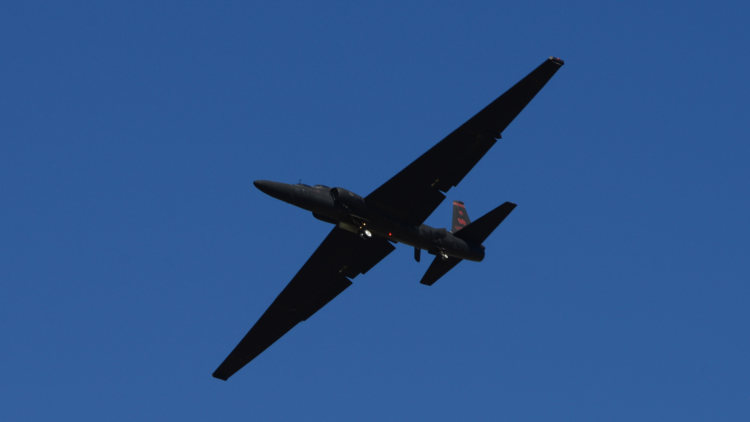
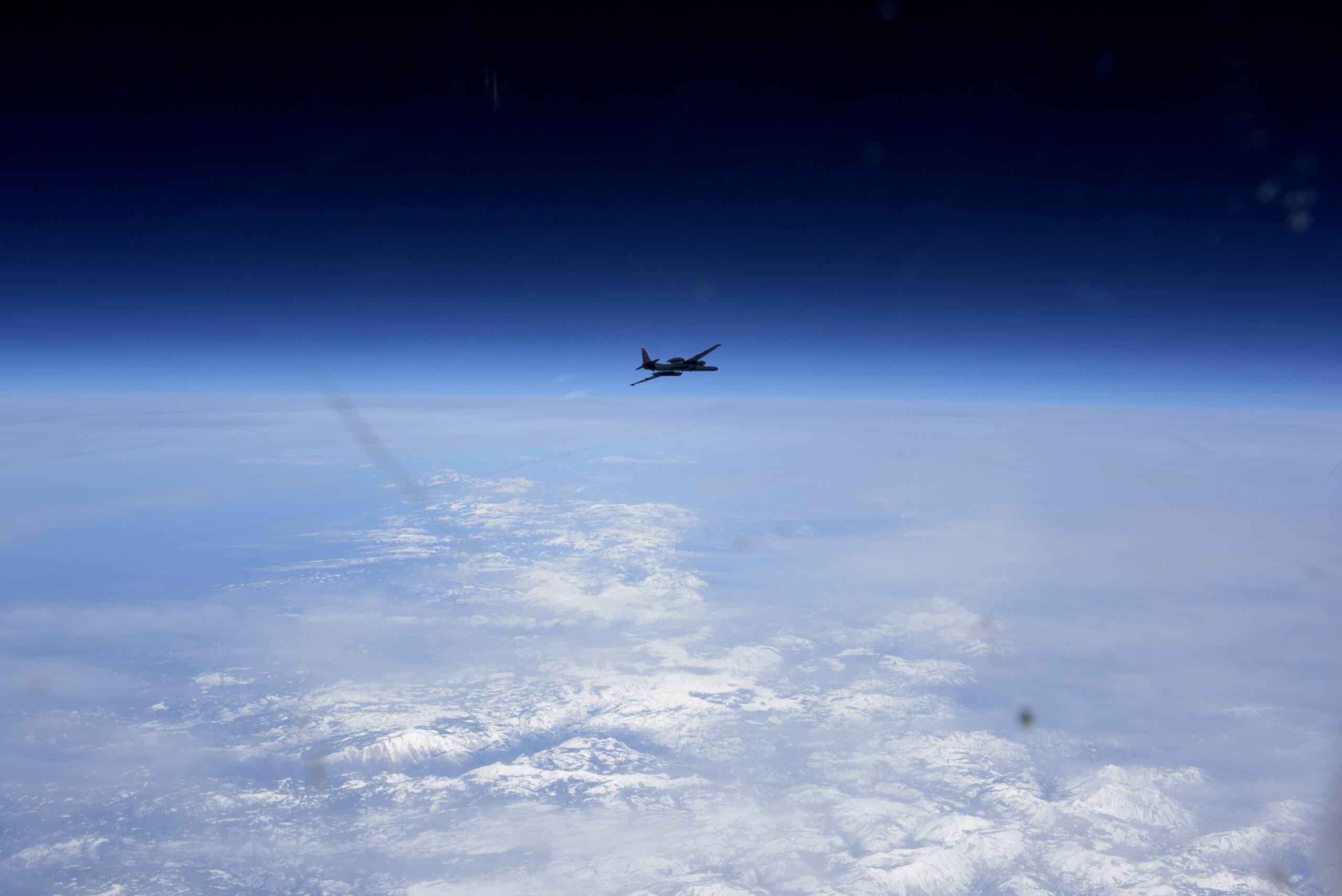
Over the years, the U-2 underwent various upgrades, ensuring its relevance and effectiveness, remaining an indelible symbol of aerial reconnaissance prowess and strategic intelligence gathering.
Unexpected Encounters
Israel’s Encounter in 1963
In a remarkable incident in July 1963, Dassault Mirage IIICJ interceptors intercepted a US Air Force RB-57A and compelled it to land at Lod International Airport in Israel.
The RB-57A, en route from Saudi Arabia to Turkey, was engaged in monitoring the construction of Israel’s secretive nuclear complex in Dimona.
France’s Dramatic Intercept in 1967
Another notable event unfolded in June 1967 following French President Charles de Gaulle’s withdrawal from NATO.
French Air Force early warning radars detected a U-2 approaching one of the country’s nuclear facilities.
A Mirage IIIE, equipped with the SEPR 841 rocket booster, was swiftly dispatched from Dijon Air Base to intercept the intruding aircraft.
The Mirage interceptor, propelled by the SEPR booster, surged skyward, not intending to down the U-2 but to capture photographic evidence.
Scaling heights of 65,000 feet (19,812 meters) at Mach 1.7, the French pilot maneuvered to photograph the U-2, flying at Mach 0.9 nearly directly above Dijon AB.
Despite wearing a cumbersome high-altitude suit, the pilot managed to snap a photo using an “average civilian camera” while maintaining a near-collision course with the U-2.
Gary Powers Shot Down: Most Infamous Incident
One of the most infamous incidents in the Lockheed U-2’s operational history occurred on May 1, 1960, when a U-2 piloted by Captain Francis Gary Powers was shot down over the Soviet Union.
This event significantly heightened tensions between the United States and the Soviet Union during the already volatile Cold War.
Powers’ reconnaissance flight, aimed at gathering intelligence over Soviet territory, was intercepted by Soviet surface-to-air missiles, leading to the downing of his aircraft near Sverdlovsk (now Yekaterinburg).
The US initially denied the purpose of the mission, claiming it was a weather research aircraft that had gone missing.
However, the Soviet Union revealed the capture of the pilot and remnants of the U-2, sparking an international outcry and intensifying political hostility between the superpowers.
The incident strained diplomatic relations and raised concerns about aerial espionage, resulting in a significant setback for US intelligence operations over Soviet territory.
Strategic Implications of U-2 Planes
The French encounter left the U-2 pilot stunned, encountering the supersonic shockwave of the interceptor and witnessing the Mirage streak beneath the aircraft.
Subsequently, the United States halted all overflights of France until years later, when they resumed with the Mach 3-capable Lockheed SR-71As flying at an altitude of 75,000 feet (22,860) meters).
The confrontations with foreign interceptors not only spotlighted the U-2’s versatility but also triggered strategic shifts in reconnaissance operations.
These events prompted alterations in flight protocols and marked the beginning of deploying advanced, higher-altitude aircraft to circumvent potential interceptions, signaling an evolution in aerial reconnaissance tactics.
The legacy of the U-2 persists as a testament to its endurance, adaptability, and historical significance in shaping the trajectory of aerial reconnaissance.
Its encounters over unexpected territories underscored the complexities and diplomatic sensitivities intertwined with reconnaissance missions during an era of global tension and intrigue.
As the aviation landscape continues to evolve, the legacy of the U-2 remains etched in history, commemorating its daring missions and unexpected encounters that reshaped the course of strategic intelligence.








COMMENTS