
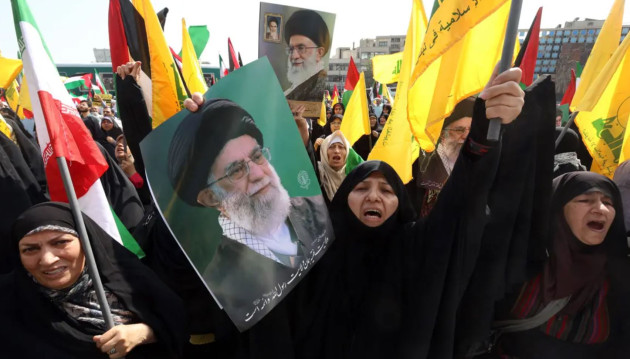
Ali Khamenei is dead, killed by the Americans, and people the world over are rejoicing.
For nearly four decades, the aging despot sat at the apex of the Islamic Republic, cloaked in black robes and absolute authority, a vicious man who answered to no voter, no parliament, and no earthly court.
He inherited a revolution soaked in ideology and blood, then further refined it into a system of calculated, intentional fear.
True, a few in Tehran are mourning (probably because they know they will realize the same fate soon). But many more (worldwide) are dancing, celebrating in the streets.
This is a good day for humanity.
People of Iran are celebrating Khamenei’s death. #TnxBBfromIranpic.twitter.com/Qm9u5rMCoz
— Persian God (@RealPersianGod) February 28, 2026
From Dissident to Despot
Khamenei liked to frame his early life as a story of resistance. Born in Mashhad in 1939, he studied religion, opposed the shah, and spent time in prison before the 1979 revolution. That chapter became part of the mythology. The criminal cleric who defied what he twistedly saw as tyranny.
Then the revolution came, and the prisoner became the jailer.
He rose quickly through the new order. In 1981, a bomb left him permanently injured, his right arm partially paralyzed. Survival hardened him. That same year he became president. When Ruhollah Khomeini died in 1989, the clerical establishment elevated Khamenei to supreme leader. His religious credentials were thinner than his predecessor’s, but in the Islamic Republic, power does not flow from scholarship. It flows from control.
And control he learned to master.
Building the Machinery of Fear
Under Khamenei, the Revolutionary Guard evolved from a militia into the regime’s steel spine. It became a military powerhouse and an economic empire, with fingers in construction, oil, telecommunications, and intelligence. Like the mafia with a deity.
If you wanted to succeed in Iran, you navigated the Guard. If you wanted to challenge the system, you faced it.
Reformists who dared to loosen social restrictions or expand press freedoms were contained, sidelined, banned, or flat-out executed. Elections were permitted, but only within boundaries set by men loyal to the supreme leader. It was an upside-down democracy with guardrails welded shut.
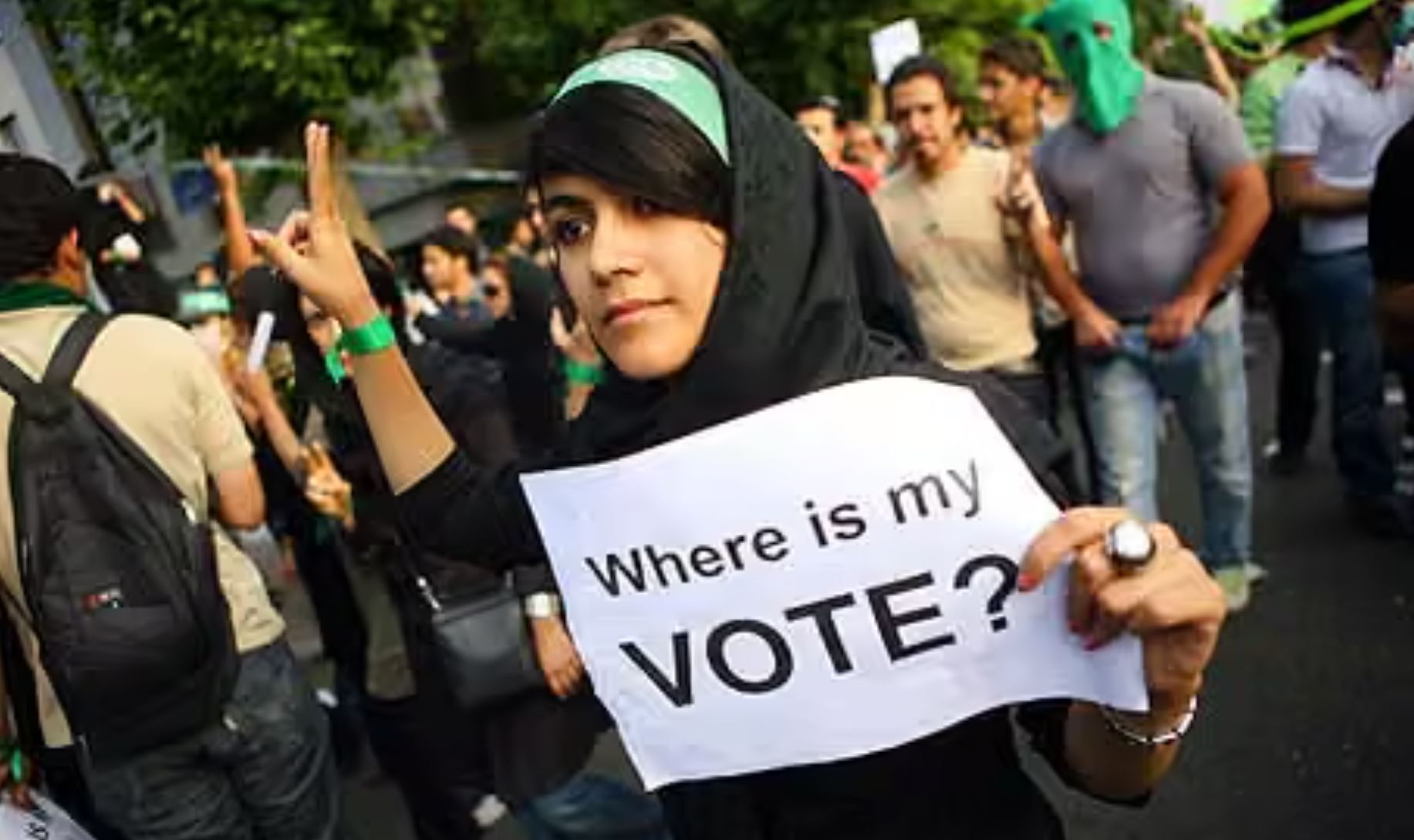
The world saw glimpses of the system’s true face in 2009. Millions protested after a disputed election. They carried green banners and the fragile hope that their votes might count for something. The response was batons, bullets, and prison cells. Protesters were killed. Many more were detained. Reports of torture circulated. The message was unmistakable. The state would break bodies before it surrendered authority.
Sanctions, Suffering, and the Nuclear Gamble
Khamenei styled himself as the guardian of national dignity against Western pressure. He distrusted the United States and framed any confrontation as resistance. Iran negotiated a nuclear deal with the US and others in 2015, then watched it unravel. Enrichment resumed. Sanctions tightened. Inflation surged. The currency collapsed.
While officials spoke of strategic patience, ordinary Iranians watched their savings evaporate. Salaries lost purchasing power overnight. The people suffered, life, for Khamenei, remained good.
Fuel price protests in 2019 triggered another nationwide eruption. Internet access was cut. Security forces opened fire. Estimates of the dead ranged into the hundreds and beyond. Families buried sons and daughters while the state insisted order had been restored.
It always restored order, on paper, but not in the hearts of ordinary Iranians.
Women, Youth, and the Crackdown State
In 2022, the death of Mahsa Amini after detention by morality police ignited protests that reached from Tehran to the far corners of the nation. Women removed headscarves in public. Students chanted against clerical rule. Workers joined in. The regime answered as it had before, with force. More than 500 people were reported killed in the crackdown. Thousands were arrested.
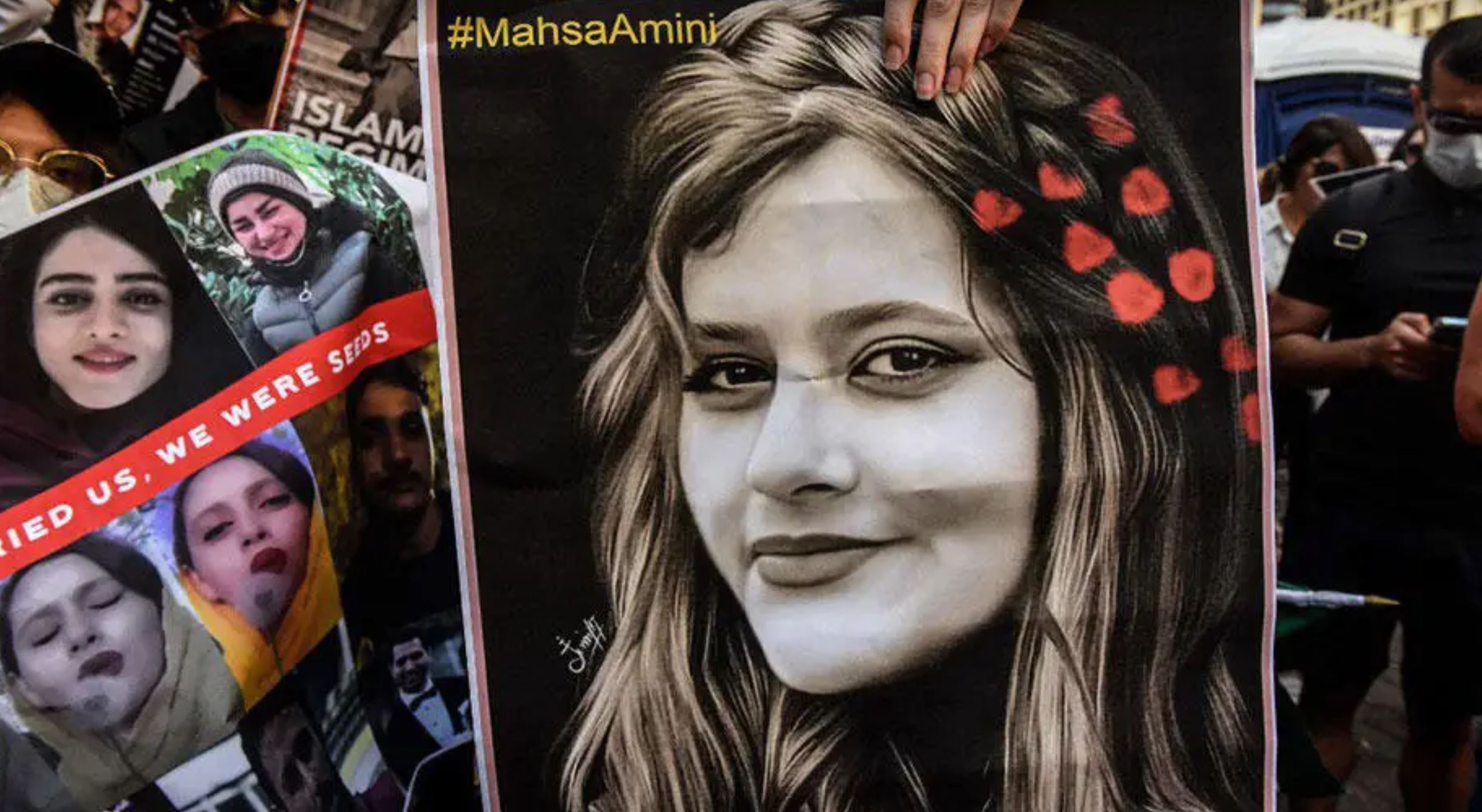
For a man who laughingly claimed to defend religious virtue, Khamenei presided over a government that policed women’s clothing and silenced dissent with live ammunition.
Late 2025 brought another wave of unrest as economic pain deepened. Crowds grew bolder. Some openly called for the end of the Islamic Republic. Security forces opened fire, killing hundreds of protesters, with rights groups warning the true toll may be significantly higher. Fear was the state’s most reliable currency.
The Regional Chessboard
Beyond Iran’s borders, Khamenei projected his dark power through proxies. Hezbollah in Lebanon, militias in Iraq, fighters in Syria, and support for groups in Gaza and Yemen. Tehran denied direct involvement in many actions, but few doubted the strategic backing. The so-called Axis of Resistance expanded Iran’s influence while entangling the region in cycles of confrontation.
All the while, Khamenei ruled from above the fray, issuing guidance, approving strategy, and reminding his adversaries that the Islamic Republic would not bow.
The End of a Long Reign
He ruled for 37 years. Longer than his revolutionary mentor. Longer than many monarchs. Far longer than any American President.
He survived assassination attempts, sanctions, protests, and international isolation. What he could not survive was the final strike launched by a determined America, to end his life at 86.
His death does not erase the prisons. It does not resurrect the dead. It does not magically dismantle the security apparatus he cultivated.
The Revolutionary Guard remains powerful. The Assembly of Experts will select a successor. The system he shaped is still intact, albeit fractured.
But something fundamental has shifted in the proud nation of Iran.
For decades, ultimate authority in Iran had a single face. Orders flowed upward to one office. That office is now empty.
In cities across Iran and in diaspora communities abroad, people are openly celebrating. They are not celebrating violence. They are celebrating the removal of a man who symbolized repression, stagnation, and the suffocation of a nation’s political life.
History may debate his legacy. Many Iranians already have their verdict.
The future of Iran is not guaranteed to brighten overnight. Tyrannies rarely collapse cleanly.
Yet the death of a supreme leader who defined a repressive and murderous era creates space, however narrow, for possibility.
Khamenei’s reign was built on fear.
What comes next belongs to the Iranian people. The shadow is gone. What they build in the light is now up to them.








COMMENTS