

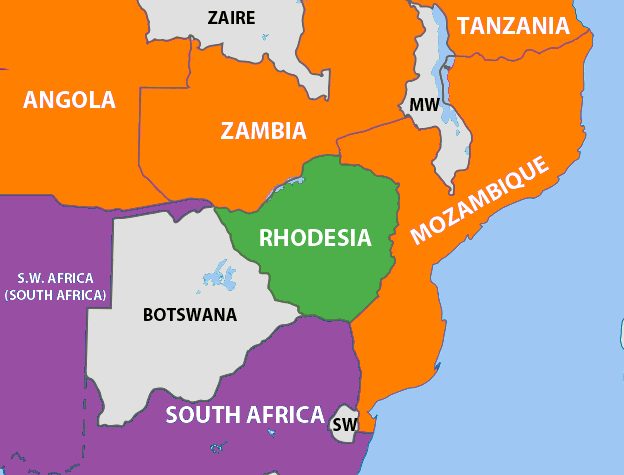
The Zimbabwe African National Union (ZANU), supported and trained by the Communist Chinese, had begun infiltrating from Zambia. Crossing the mighty Zambezi River and Valley, they were getting deeper and deeper into Rhodesia. A horrifying event finally unleashed the furor of the country and caused it to use its finest tool of war: In May of 1966, Johannes and Barbara Viljoen, farmers with children, answered a knock at the door. They were shot dead and mutilated. The anger of the nation turned on these terrorists.
Six years of preparation by the SAS were put into action. (Prior to 1966, SAS were involved in Border Interdiction and tracking down small bands of terrorists which were causing mayhem; this was an underutilization of the SAS’ capabilities.) A plan was formed to travel to Lusaka in Zambia and blow up the ZANU headquarters. Up until this mission, only senior NCOs were involved in any type of cross border activity.
The plan proceeded in October and ended in disaster. The explosives the SAS took with them malfunctioned, before they were able to infiltrate Zambia killing several of the NCOs. The Alouette sent to recover the bodies also suffered a malfunction and crash-landed.
After reviewing the failure, a better plan was formulated and became the first of many external operations to come. It was called Operation Sculpture and its mission was the same: Infiltrate ZANU’s headquarters and destroy documents and anything else vital to the organization. SAS would infiltrate by light aircraft, meet an agent who would take them into Lusaka, drop them off, and pick them up afterward.
After weeks of rehearsing, it was a go. The men gathered their explosives and small arms, dressed in civilian clothing, and flew into Lusaka’s airport. The pilot taxied down the runway and when it turned to take off again, the operators jumped out and fled into the bushes. The agent showed up and drove them into town and into an unforeseen problem: Outside of the headquarters, several factions of ZANU were fighting in the streets. Not having eyes on the target before the mission was an intelligence failure. Nevertheless, the men decided to give try exited the vehicle.
They hoped that the chaos outside the HQ would allow them to secretly enter the building while the guards were watching the fighting in the streets. The leader of the team made every effort possible to find a way into the building but it was airtight. At that point, they decided to abort and fly home. The agent picked them up on time and drove them to the fence of the airport. Nerves set in badly as the pilot was late. When he finally showed up, they frantically flashed penlights at him. Once aboard and returned to Rhodesia, a series of changes were made to external operations.
As most fledgling and isolated organizations do, Rhodesian SAS had to learn from experience. The first thing that needed to be enhanced was intelligence. Had a man been in Lusaka, they would never have risked going in knowing that fighting was taking place outside their target. Secondly, they were without high-frequency communications. They were blind and deaf, relying on trust for each person to be on time where they were supposed to be. Thirdly, they had no SHTF plan. If they had to go into escape and evasion mode, what would they have done to safely reach Rhodesia? The SAS were bold men but they needed to be operationally sound to attempt cross border operations in the future.
The SAS continued to focus on the Zambian border area. ZANU, and later the Zimbabwe People’s Revolutionary Army (ZIPRA), would use Zambia as a platform to stage incursions into Rhodesia. Being remote and sparsely populated, Zambia was an ideal place, in theory, to cross over from. The problem with this was the terrain itself. The Zambezi Valley is hot, dusty, sparse in water and vegetation. Often times, the Valley did the work of the soldiers: nature simply killed terrorists off before they could inflict harm.
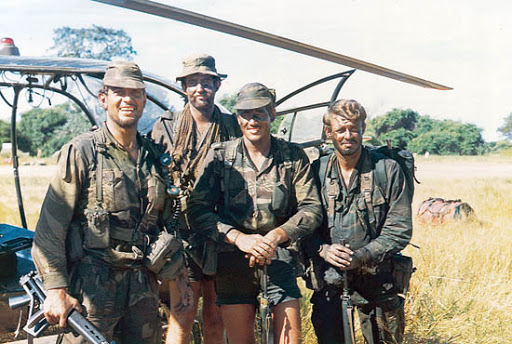
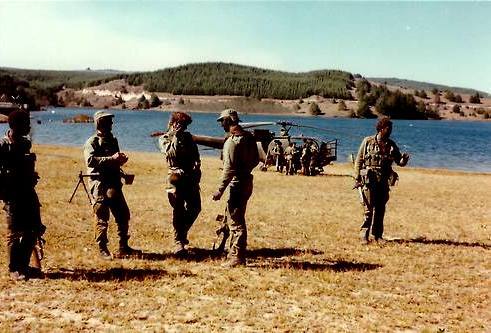
The SAS with the help of the Rhodesian Light Infantry and the Air Force’s Alouette Helicopters began to own the battlespace. On constant rotations in and out of the area, operators became adept at using the Valley to their advantage. The art of tracking again became a foundational skill of the SAS trooper. Those that excelled at it formed Tracking Teams that would continue to be useful throughout the war.
When on patrol or following a call out, the troopers could be resupplied with water and food, whereas, the terrorists could not. The Valley was mapped in detail and every water hole and known footpath that could be used by the terrorists was located. Many ZANU men would be lain to rest by ambushes that lay waiting for them at water holes. In essence, the SAS neutralized the terrorists by harnessing the Zambezi Valley’s harshness and leading their quarry to slaughter.
D.R. Tharp is the author of Highway to hell to and The Gold of Katanga.








COMMENTS