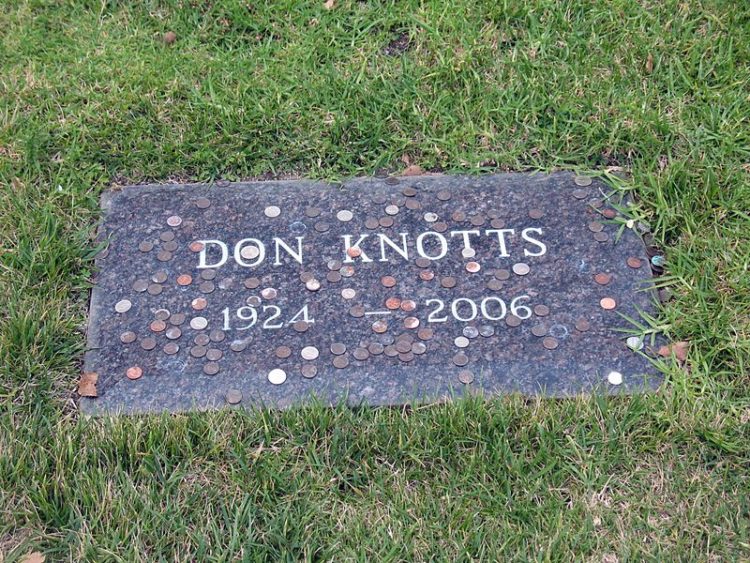
We, humans, have different ways of commemorating our deceased loved ones. One way is by leaving coins on the gravestones.
Original gravestone of Don Knotts at Westwood Memorial Park, Los Angeles, California. Photo by Bogdan Migulski from Perth Amboy, US / Wikimedia Commons
Ever see coins on a gravestone and wonder what they mean?
Advertisement
Leaving coins on the graves of our fallen beloved has been a practice for quite a long time. In Ancient Greece, they had a tradition of placing coins over the eyes or in the mouth of the dead, believing that they could use it as a payment to a ferryman of the Underworld named Charon to take them across the River Styx to the other side. There were claims that the Jewish burial practice did the same thing. Nowadays, leaving coins on tombstones is often associated with military practice.
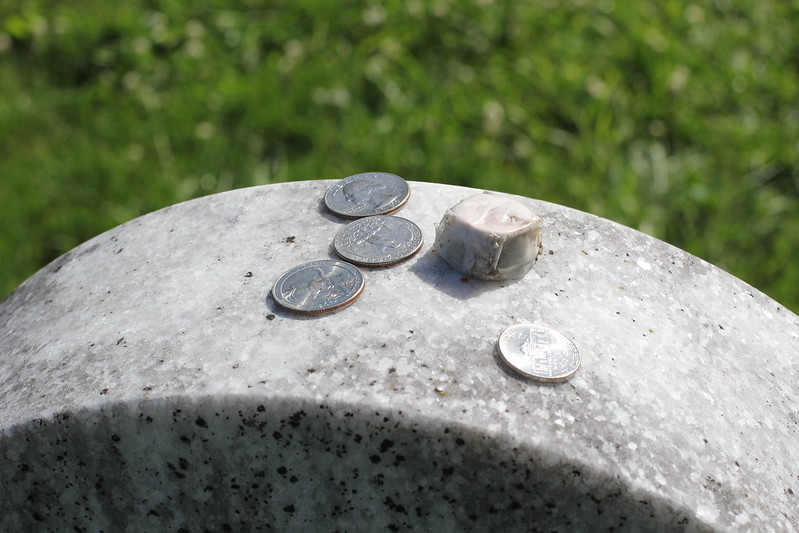
Meaning of Each Denomination
Tombstone of Stephen Alonzo Jackson and his wife in the Sinking Springs Cemetery in Abingdon, VA. Eli Christman / Flickr
Leaving a penny simply indicates you’re honoring the dead in gratitude for their service.
A nickel means that you and the departed trained together at boot camp or basic training.
A dime signifies you served with them in some capacity.
Leaving a quarter means you were with the soldier when he died.
According to Eye Witness News’ website, “…the tradition became popular in the United States during the Vietnam War. It is believed it (leaving coins) was a way to show respect without getting into an uncomfortable political discussion about a war that was very controversial.”
Advertisement
Where does all the money go?
With all the coins being left on our fallen warriors’ headstones, you might be wondering where all the money goes. According to tradition, a caretaker collects all this money and puts it in a different fund to help pay for cemetery maintenance like mowing the lawn, washing graves, or even paying burial costs for indigent veterans.
There was also a similar tradition of leaving “challenge coins” by fellow veterans. According to American Service Dogs’ website, “these coins usually contain the emblem of the deceased’s military company or unit, and fellow service members leave them to pay tribute. Sometimes the challenge coin can have a deeper meaning or even tie back to the service member who left it.”
Advertisement
Other Traditions
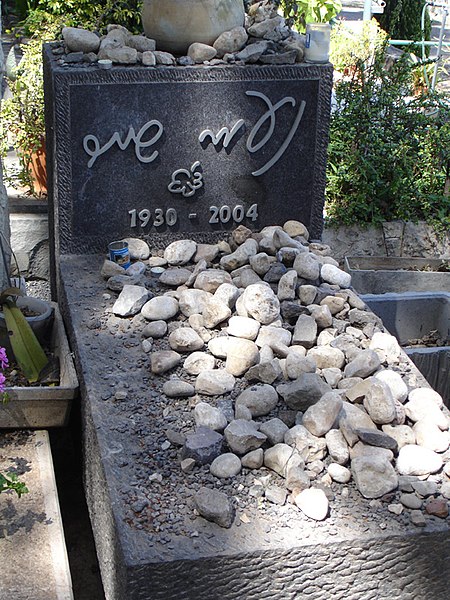
Some other traditional things left on a grave could be flowers, usually to show your respect to the deceased. Sometimes, people leave stones or pebbles, which was said to be a Jewish tradition. There were also grave blankets, an evergreen arrangement that blankets the ground above the grave.
Israeli songwriter Naomi Shemer’s grave on the shores of the Sea of Galilee (Kinneret). The stones were left by visitors in keeping with an ancient Jewish custom. Atvm27 / Wikipedia
It’s heartwarming how we, humans, find ways to show our love and respect to people we treasure and value, even when they’ve already departed. The sincere gesture of leaving coins or other mementos on graves is proof of what George Eliot once said, that “Our dead are never dead to us until we have forgotten them.”